
Development economics — guide
7 pages · PDF
View reportArchitecture & development economics
Understand how programming, area efficiency, design alternatives and construction costs influence project decisions.
Request study scope
From decision to study
Compare the programme, areas, alternatives and costs before committing to a project.
For landowners, project owners, developers and institutional teams. Navigation: research RE-06/11/12; learning RE-08 and RE-10 v1.2; landowners P02, project development economics P03, institutional teams P04; specialist RE-07A scopes for site potential, design economics and building reuse. Proposed professional method: define the decision, establish inputs, compare architectural alternatives, record findings and gaps, and specify specialist checks. Scope-specific deliverables are not a contract or a return guarantee; no brokerage, valuation, financing arrangement or personal investment advice.

Define a site brief and compare architectural options before detailed design.
Explore →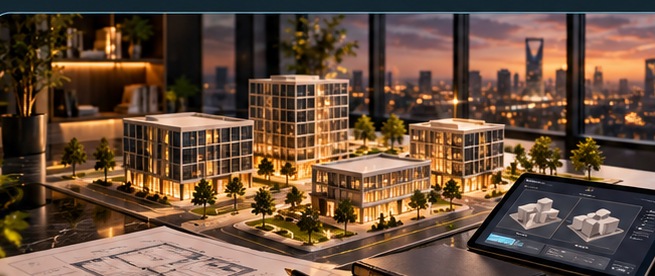
Compare area efficiency, quantities, costs and timing to understand design alternatives.
Explore →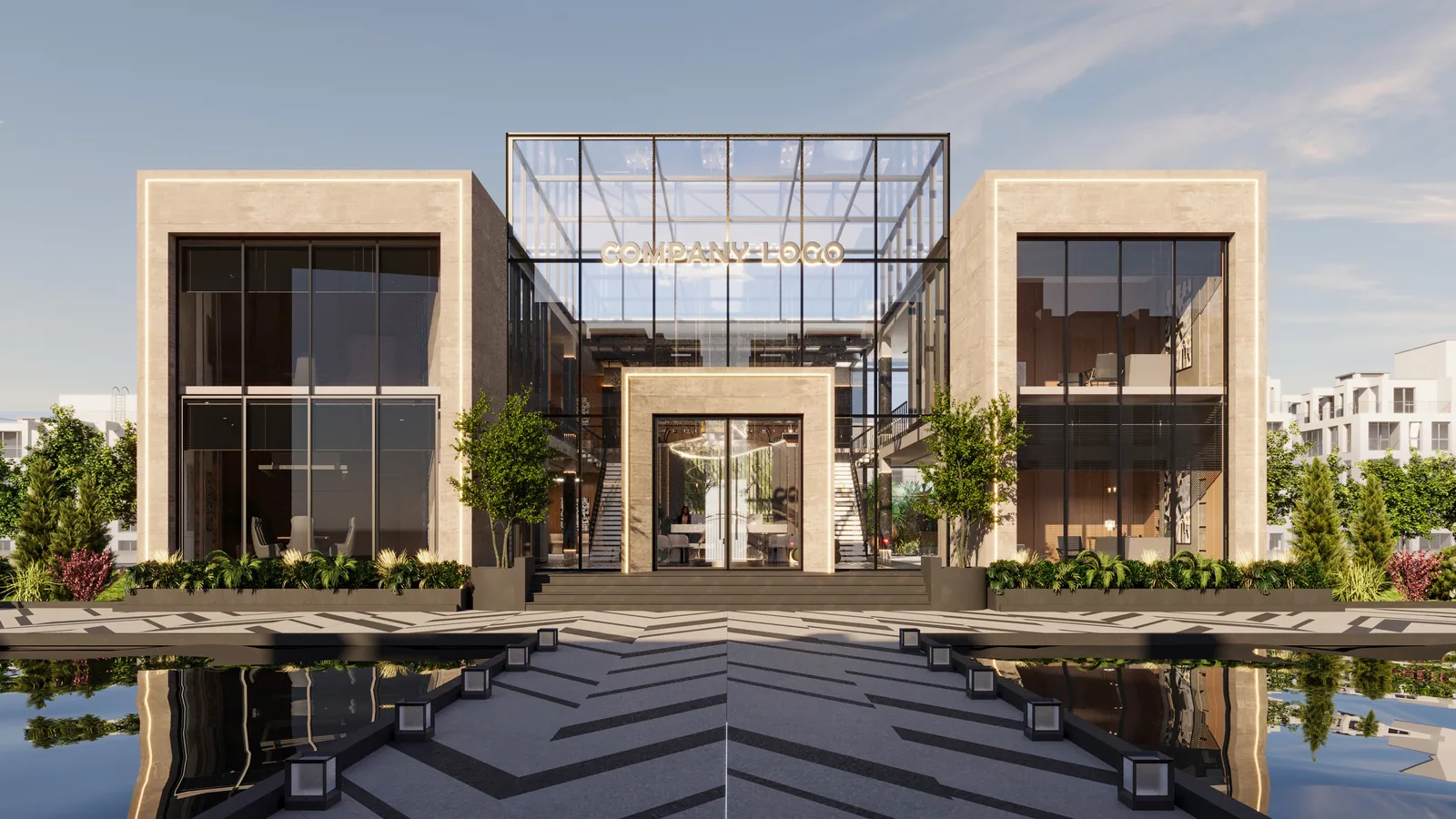
Structured programming, efficiency, option and cost reviews under a defined professional scope.
Explore →
Understand site inputs and compare spatial and planning alternatives before fixing the architectural brief.
Explore →
Compare area efficiency, quantities and architectural option costs against project budget and quality requirements.
Explore →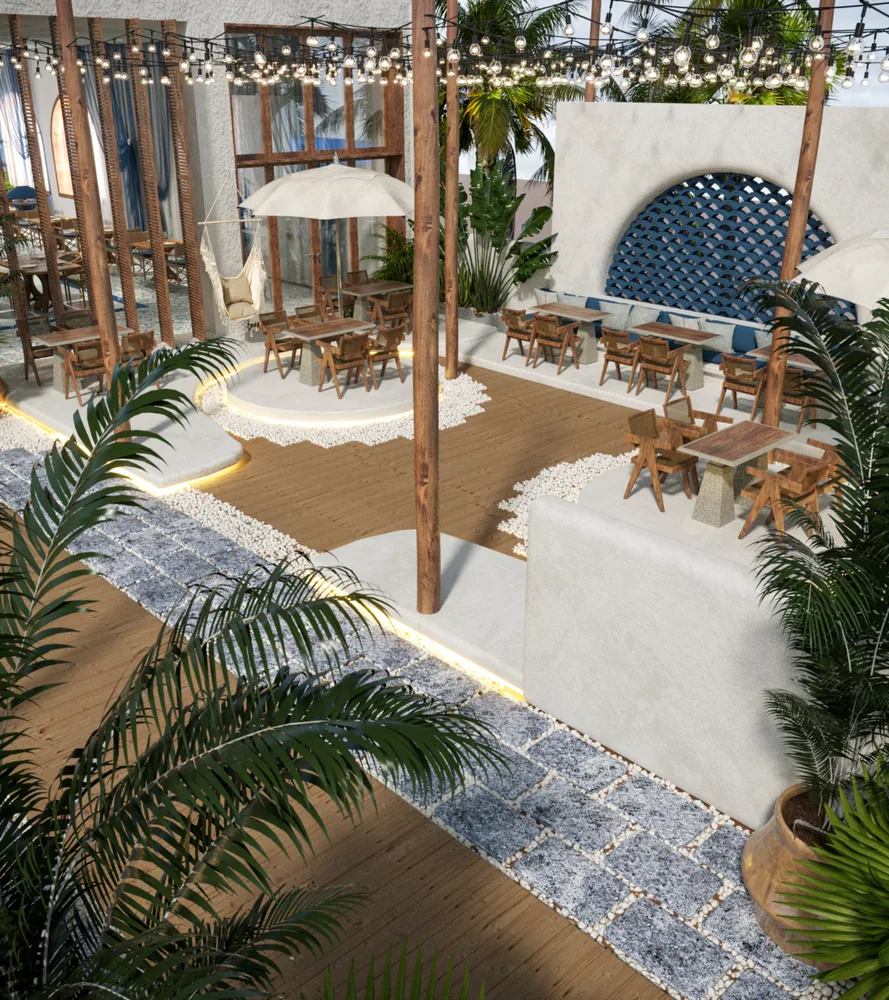
Compare architectural options, intervention scope, quantities, cost and downtime before refurbishing an existing building.
Explore →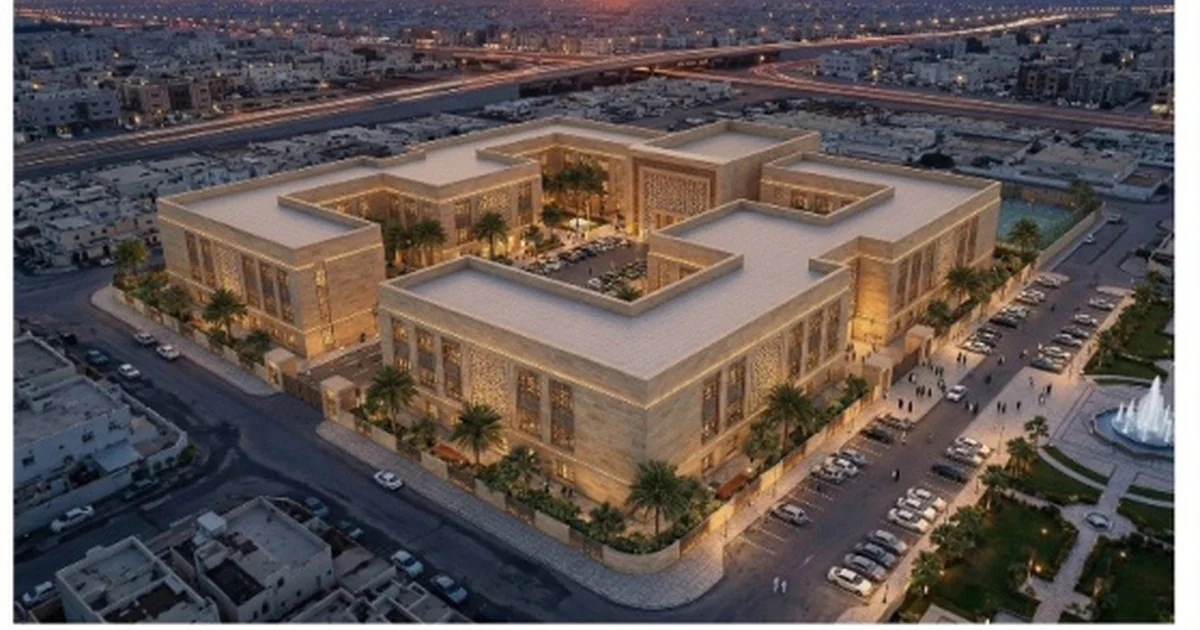
Real estate price indices and construction cost indices measure different phenomena. Their periods and baskets may differ; their difference is not a development profit margin.
Explore →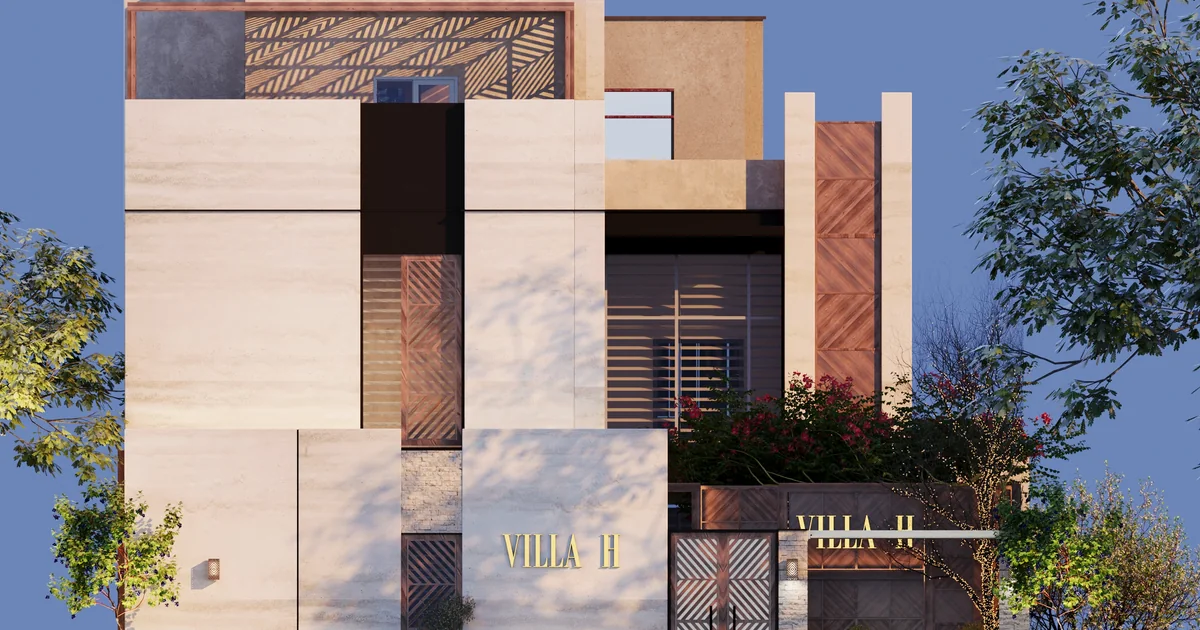
A development can generate a positive undiscounted surplus yet face a funding shortfall before completion. Separate total nominal surplus, the peak cumulative…
Explore →
Start by defining the product, user, constraints and purpose of the decision. Screen out options with unresolved legal, planning, technical or safety…
Explore →
A: 2,100 m² saleable area; SAR 11.55m revenue; SAR 10,146,500 total cost; SAR 1,403,500 surplus (12.15% of revenue). B: 2,250 m² saleable area; SAR 12.375m…
Explore →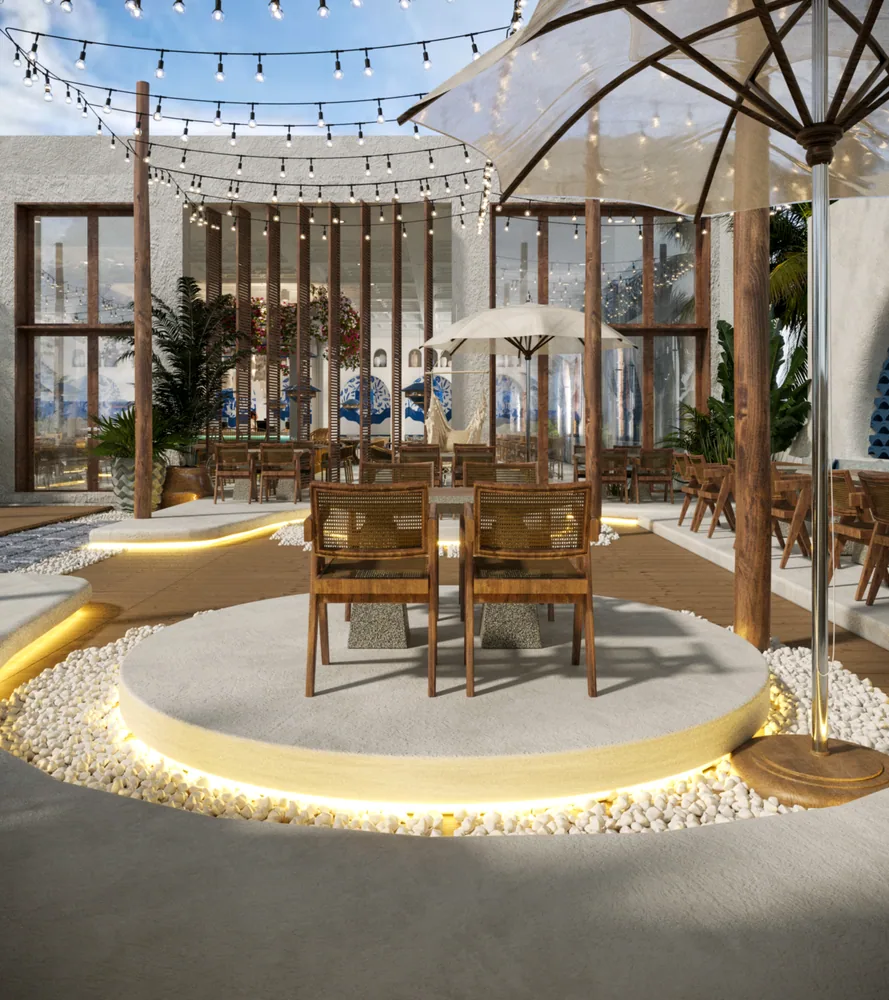
Retention cash flows: [0, 600k, 600k, 600k]. Refurbishment: [-900k, 420k, 840k, 840k]. Undiscounted incremental cash flow over three years is -SAR 600k.…
Explore →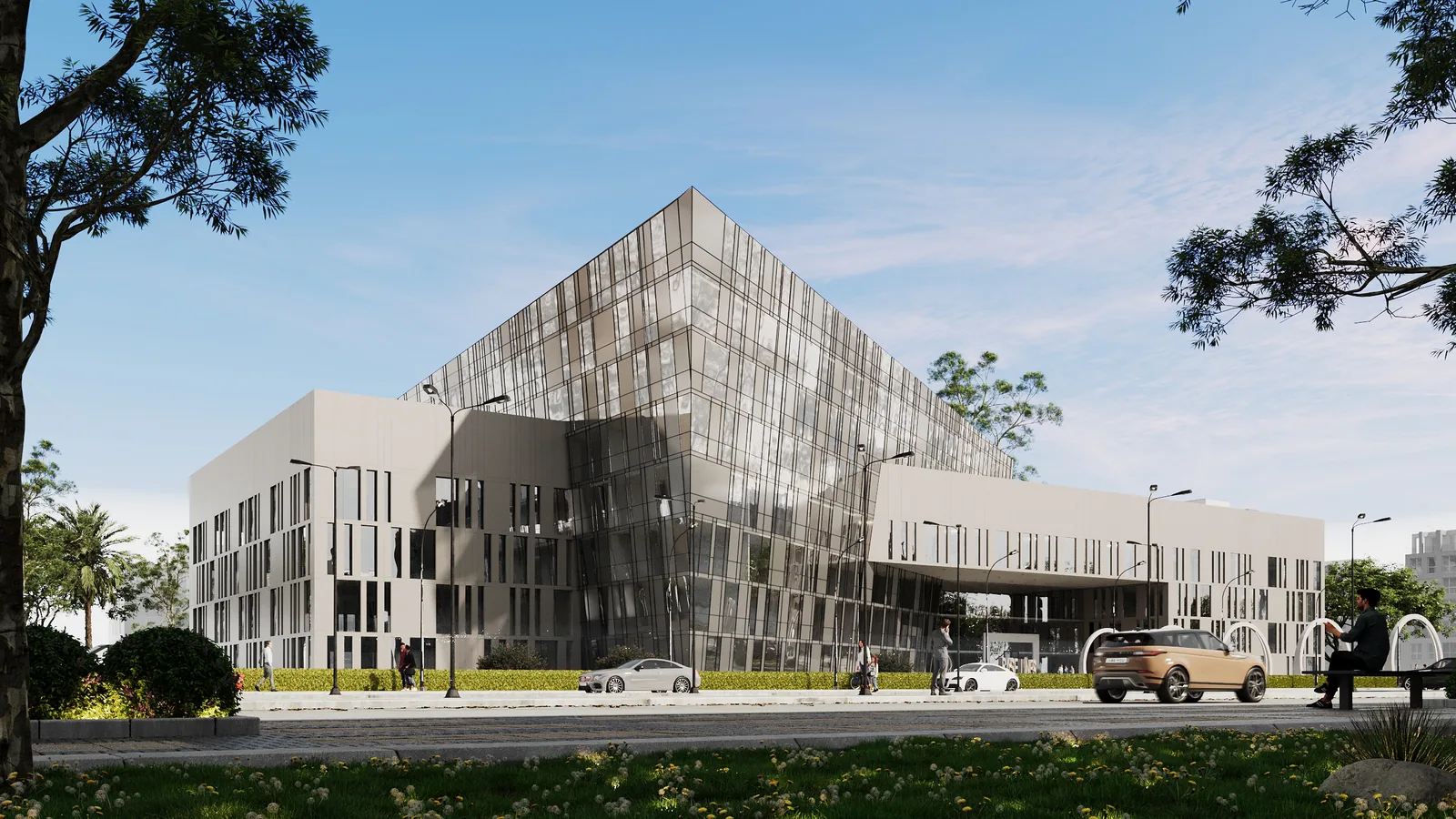
A technical architectural and engineering review by LECON concerns a residential development in Riyadh, with end and repeated townhouse prototypes and…
Explore →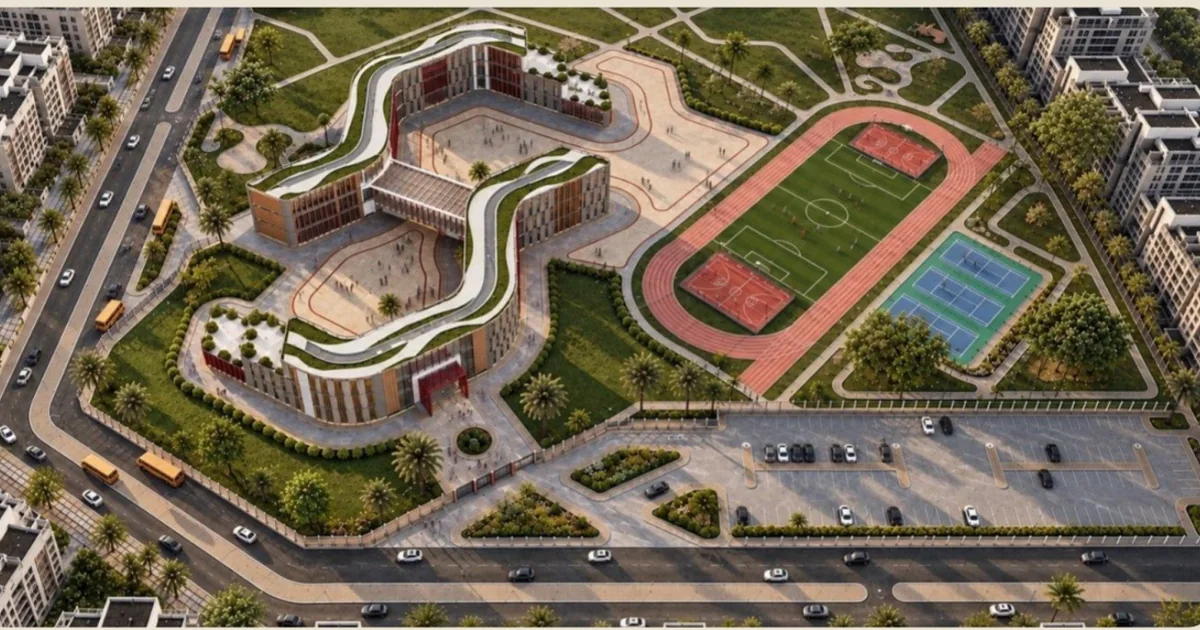
Concept drawings dated 10 May 2026 for a Riyadh educational complex show nursery and kindergarten, primary, intermediate and secondary functions.
Explore →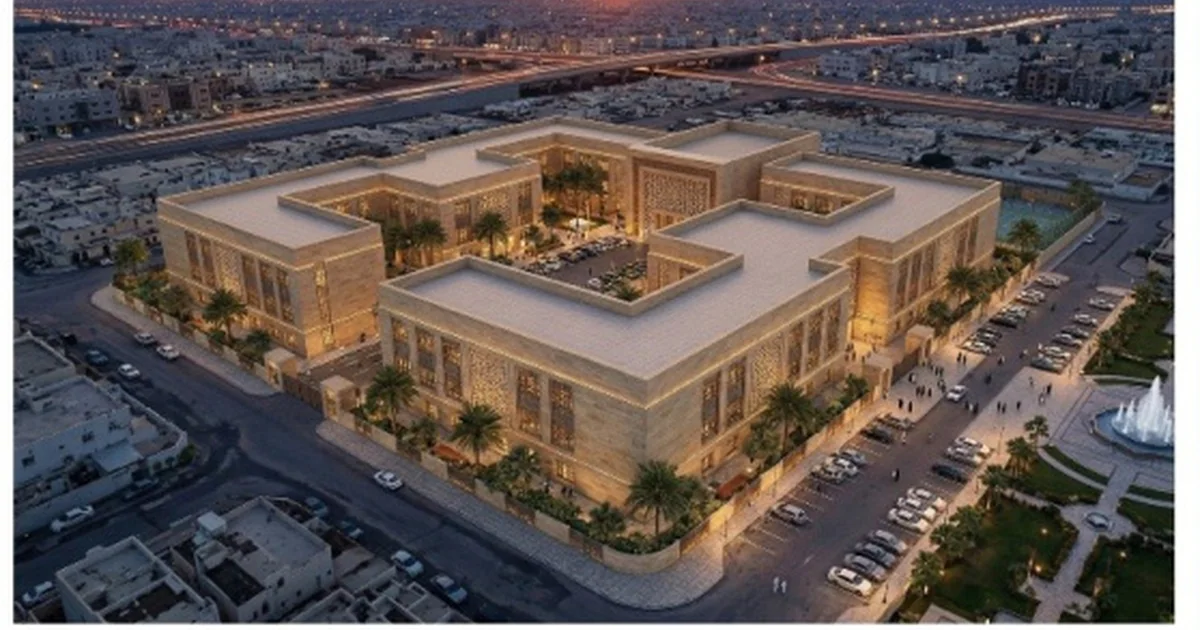
LECON’s 2026 educational-buildings presentation (pp. 4–9) compares a reference model, client vision and office concept on the same site and programme during concept design.
Explore →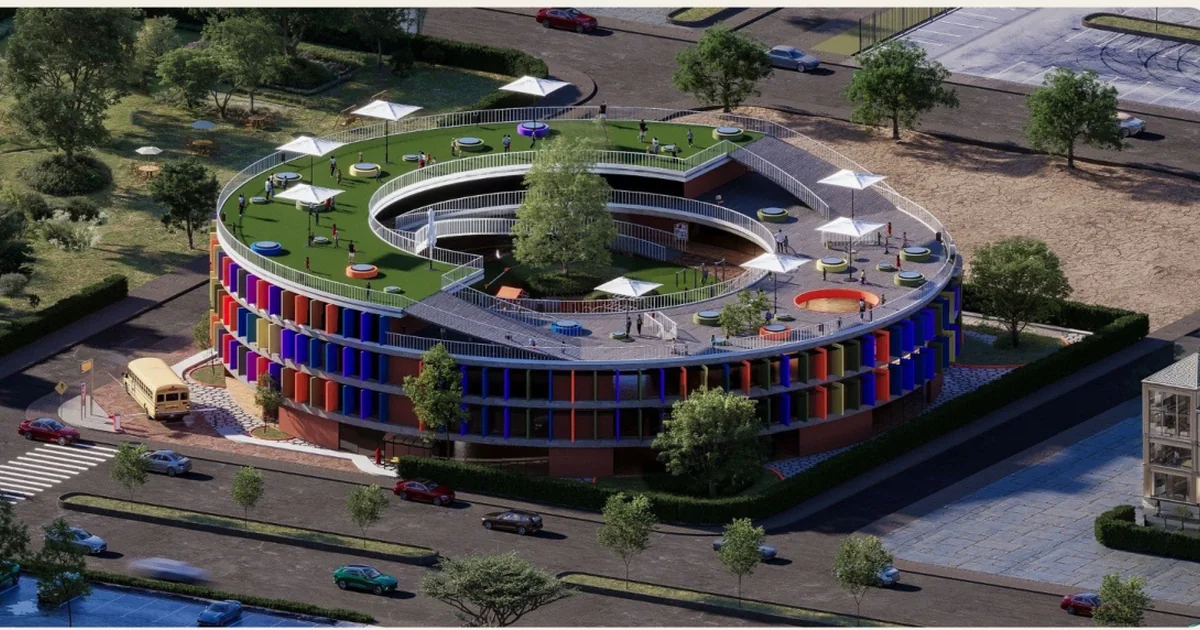
Page 10 reports that the client adopted the office concept and that construction was in progress when the presentation was prepared. A later design is…
Explore →Three educational modules: development economics, alternatives and cash flow.
7 pages · PDF
View report14 pages · PDF
View reportA non-binding initial inquiry within architecture and design economics; no brokerage, valuation, investment recommendation or return guarantee. Do not send title deeds, IDs or confidential files. Scope and responsible provider are agreed before engagement.
Discuss study scope via WhatsAppAre the tools project-specific? No, they are general teaching resources. Can I request a professional engagement now? Yes, you can request a non-binding architectural scope discussion; the responsible provider and deliverables are agreed before engagement. Does a model replace technical evidence? No.