
Architecture & development economics
Property development alternatives and decision gates
Start by defining the product, user, constraints and purpose of the decision. Screen out options with unresolved legal, planning, technical or safety…

English — Comparable alternatives, defensible decisions
Start by defining the product, user, constraints and purpose of the decision. Screen out options with unresolved legal, planning, technical or safety impediments before ranking financial outcomes. An attractive modelled surplus cannot substitute for permission or feasible design. Standardise area definitions, product quality, cost scope, time horizon and risk assumptions.
Screen five areas before calculation: (1) title, rights and easements, without claiming legal verification; (2) permitted use, planning and permit requirements, setbacks, heights and parking from authoritative sources; (3) access, utilities and site risks; (4) design feasibility, safety and operation with specialists; and (5) product-specific demand, pricing and absorption evidence. Classify each gate as verified, unverified or blocked. Modelled returns cannot compensate for a legal or technical barrier.
GASTAT's real estate price-index methodology (7 July 2026) tracks price changes by property category and period, rather than the price of an individual transaction. REGA provides sales and rental indicators. Check the definition, base period and methodology of each series before comparison; do not average dissimilar index levels or treat them as an asset's fair value.
Obtain observed transaction evidence by product and geography, sample count and date, area basis, rental/sale definition, and relevant supply and absorption evidence. Clearly disclose missing data and avoid presenting model assumptions as observed prices.
Hypothetical alternative A: shared land SAR 2.4m; 1,800 m² GFA, 80% saleable efficiency, 1,440 m² saleable; SAR 5,000/m² sale price; direct build SAR 2,000/GFA m²; other costs SAR 500k; sales expense 3%. Alternative B: 2,400 m² GFA, 65%, 1,560 m² saleable; same price, build SAR 2,100/GFA m², other costs SAR 600k, same sales fee. A revenue SAR 7.2m, cost SAR 6.716m, surplus SAR 484k. B revenue SAR 7.8m, cost SAR 8.274m, deficit SAR 474k. B adds SAR 600k revenue but SAR 1.558m cost, reducing surplus by SAR 958k. These are illustrative assumptions only.
A decision file should include constraint evidence and outstanding checks, consistent option cards, economic delta bridge, cash-flow and sensitivity comparison, and a conditional disposition: eliminate, continue study, or hold pending verification. Actual recommendations require appropriate licensing, project data and independent confirmations.
References
Related resources

For landowners — from site to architectural brief
Define a site brief and compare architectural options before detailed design.
Explore →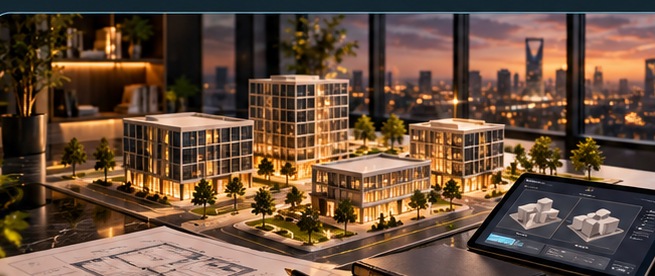
Design and development economics study
Compare area efficiency, quantities, costs and timing to understand design alternatives.
Explore →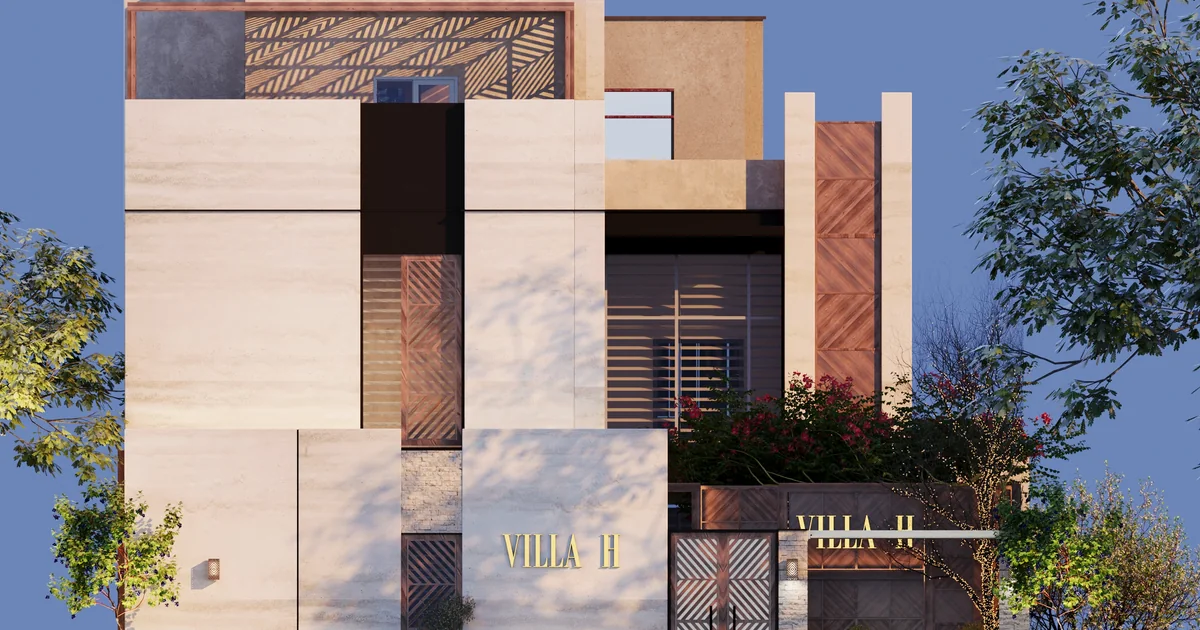
Development cash flow and capital exposure
A development can generate a positive undiscounted surplus yet face a funding shortfall before completion. Separate total nominal surplus, the peak cumulative…
Explore →