Urban vision in context
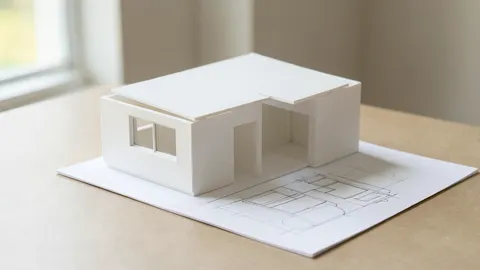
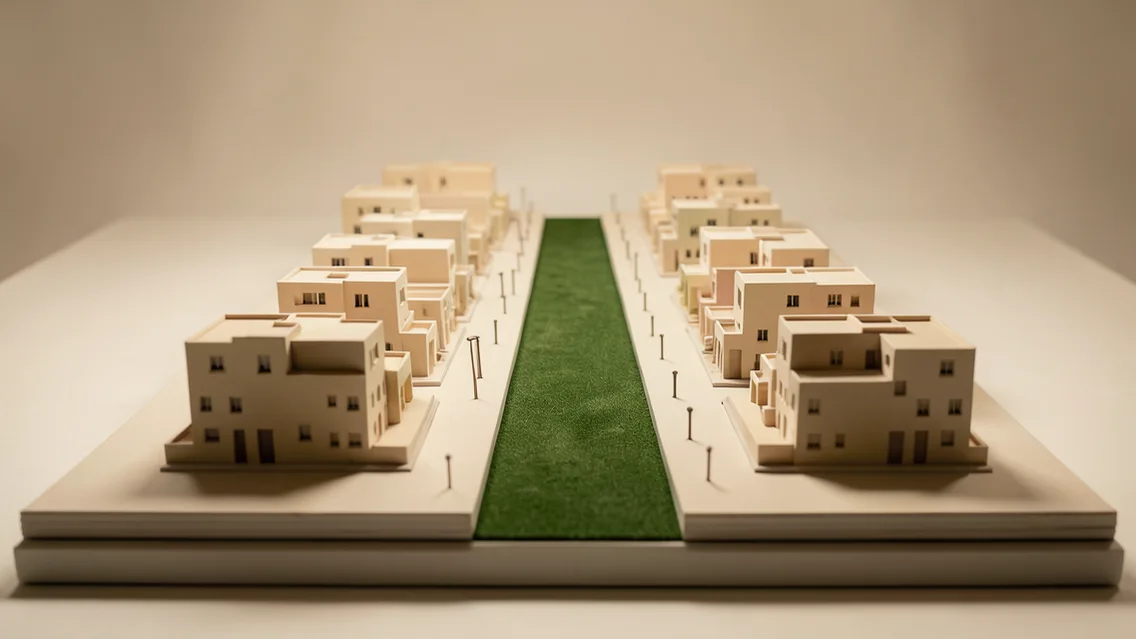
The source presents THE LINE as a challenge to urban sprawl and car dependence. NEOM's previously reviewed official project page describes long-term, phased, demand-led development prioritizing connectivity, proximity, sustainability, renewables and innovation. These are project principles and aspirations, not evidence of achieved performance or completion of the historical scope.
Density and connectivity
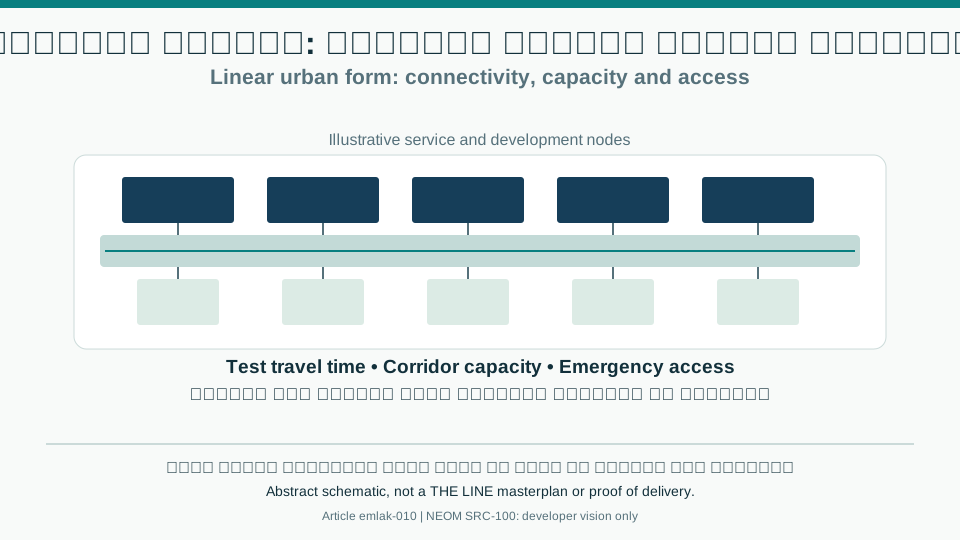
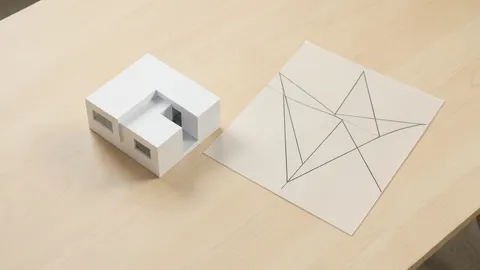
Density and service distribution may reduce some journey lengths, but a linear arrangement can create dependencies on transport corridors and vertical and horizontal circulation. Test capacity, journey times, emergency access and accessibility rather than inferring outcomes from form alone.
Nature and energy
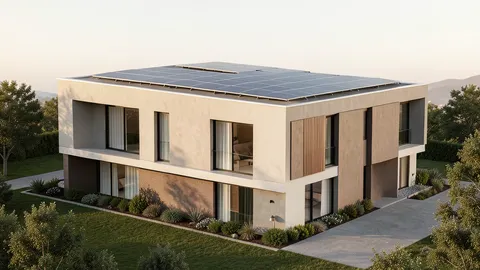
Land footprint alone is insufficient for environmental assessment; embodied carbon, materials, cooling, water, habitat protection and operating energy also matter. Compare phased alternatives using consistent metrics instead of assuming a concept automatically delivers sustainability.
Define hypothesis
Model alternatives
Test phase
Review outcomes
Feasibility and learning through delivery
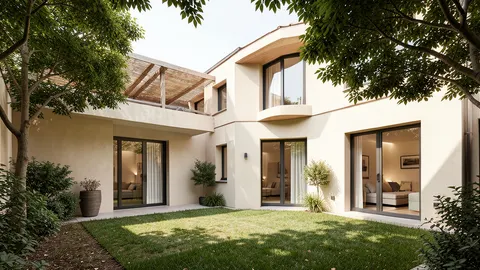
The original links the project to economic opportunity, jobs, technology and quality of life. These effects require evidence of delivery, occupancy, use, cost and service, not announced objectives alone. Architects can learn by testing assumptions about proximity, density and connectivity at defined scales and updating them with experience.
A visual reading of the article topic
- 01Urban vision in context
- 02Density and connectivity
- 03Nature and energy
- 04Feasibility and learning through delivery
Indicators and review table
| Factor | Information or evidence |
|---|---|
| Proximity | Actual service access time |
| Density | Population and service capacity |
| Transport | Capacity, reliability and emergency access |
| Environment | Energy, water, carbon and habitats |
Review pathway
- Define hypothesis
- Model alternatives
- Test phase
- Review outcomes
Topics and source excerpts
| Topic | Excerpt from article |
|---|---|
| Urban vision in context | The source presents THE LINE as a challenge to urban sprawl and car dependence. |
| Density and connectivity | Density and service distribution may reduce some journey lengths, but a linear arrangement can create dependencies on transport corridors and vertical and… |
| Nature and energy | Land footprint alone is insufficient for environmental assessment; embodied carbon, materials, cooling, water, habitat protection and operating energy also… |
| Feasibility and learning through delivery | The original links the project to economic opportunity, jobs, technology and quality of life. |
| Review pathway | Define hypothesis |
| Sources and limitations | Editorial expansion of the author's Emlak contribution; historical text retained. |
Source excerpts organized for comparison, not newly researched findings.
Sources and limitations
Editorial expansion of the author's Emlak contribution; historical text retained. Earlier masterplan dimensions, delivery dates and energy aspirations are not presented as current achieved scope.
NEOM: THE LINE — Developer vision, phased demand-led approach and connectivity, proximity and sustainability principles; not proof of completion or operating performance.