Not every energy source is renewable
The article discusses oil, natural gas, solar and wind in Saudi Arabia. Oil and gas are fossil fuels, while petrochemicals are industrial transformation products rather than equivalent independent primary sources. Primary sources become final services such as electricity, heat and transport. Renewable shares of electricity generation differ from shares of total energy or final consumption; percentages require defined denominators.
Diversification, flexibility and demand
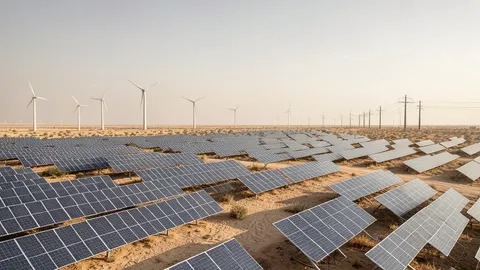
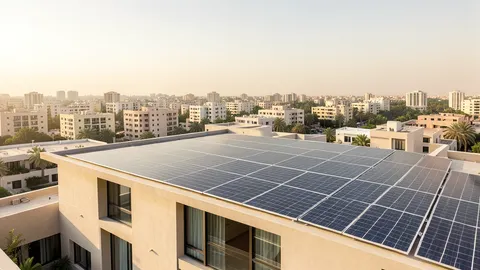
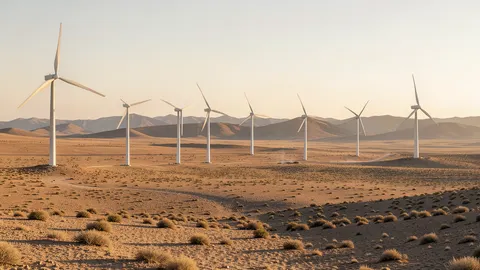
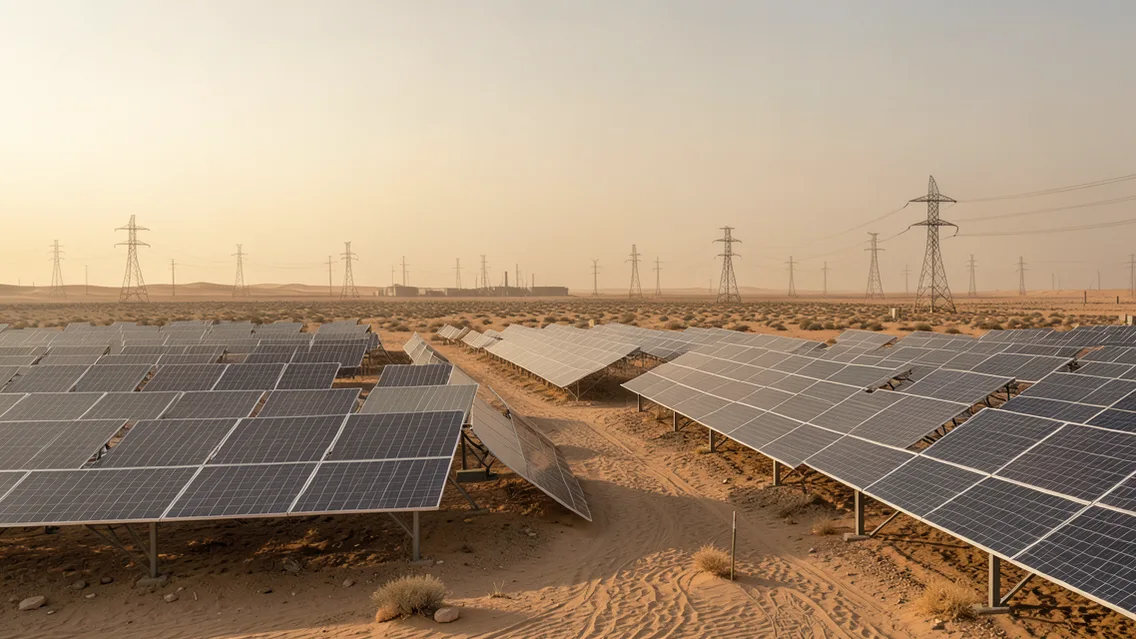
Solar and wind can diversify electricity generation, with output profiles differing from demand. Compare availability at critical times, energy production, grid connection, transmission, storage and operational flexibility. Building, industry and transport efficiency affect demand; transition is not solely about new power plants. Diversification alone does not guarantee lower costs or lifecycle emissions without assessing alternatives.
Review metrics and opportunities
The source describes fuel reserves, industry history, projected targets and employment. Update these by distinguishing proven reserves from annual production, installed capacity from generated energy, and announced from operating projects. Use dated official documents and define each figure’s scope. Labor needs vary by project phase, including design, engineering, operations, maintenance, analytics and safety. Job counts or transition shares cannot be inferred from 2021 targets without verification.
Comparison and verification table
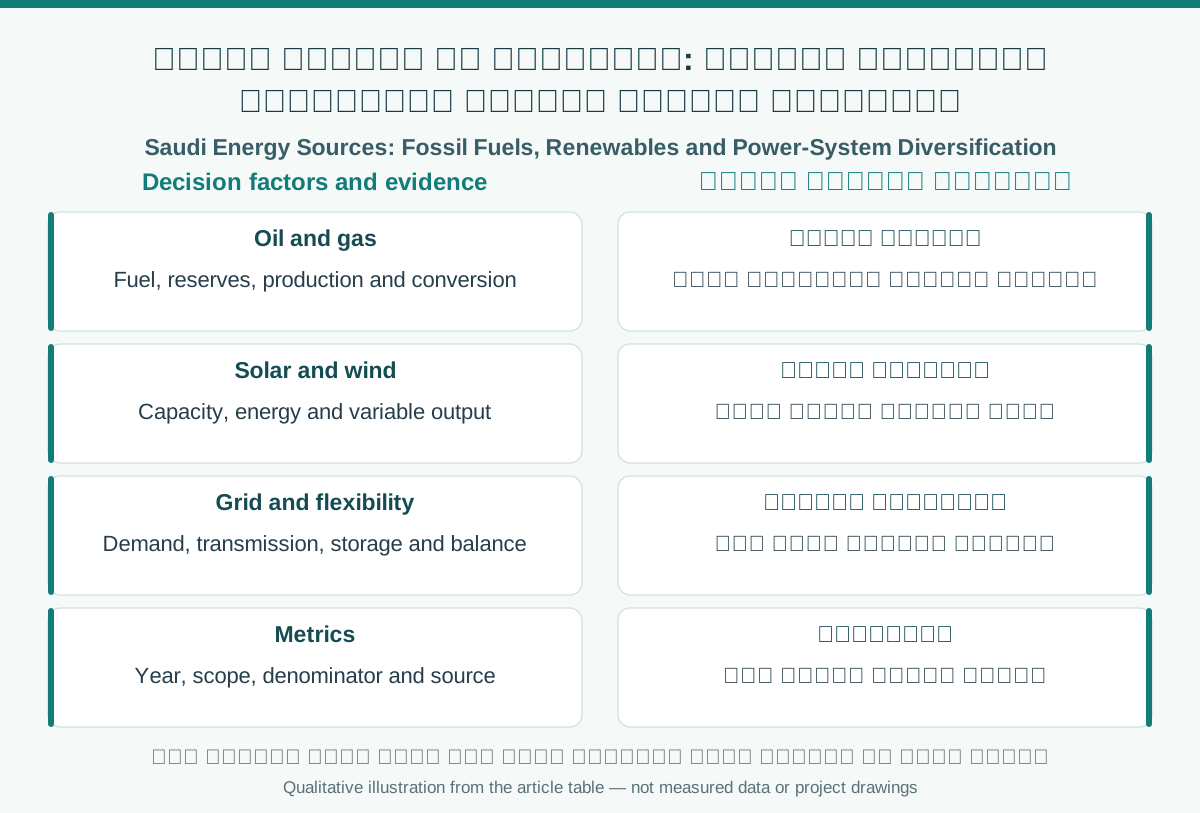
| Factor | Evidence or action |
|---|---|
| Oil and gas | Fuel, reserves, production and conversion |
| Solar and wind | Capacity, energy and variable output |
| Grid and flexibility | Demand, transmission, storage and balance |
| Metrics | Year, scope, denominator and source |
A visual reading of the article topic
- 01Not every energy source is renewable
- 02Diversification, flexibility and demand
- 03Review metrics and opportunities
- 04Comparison and verification table
Practical workflow
- 01 Define system boundaries
- 02 Classify sources and technologies
- 03 Compare generation, demand and costs
- 04 Review dated diversification outcomes
Conceptual editorial diagram; not measured data.
Sources and limitations
Editorial adaptation based on the original WordPress archive; original source retained separately. Historical reserve figures, dates and targets require updated documentation; this draft gives no current energy share or employment forecast.
Topics and source excerpts
| Topic | Excerpt from article |
|---|---|
| Not every energy source is renewable | The article discusses oil, natural gas, solar and wind in Saudi Arabia. |
| Diversification, flexibility and demand | Solar and wind can diversify electricity generation, with output profiles differing from demand. |
| Review metrics and opportunities | The source describes fuel reserves, industry history, projected targets and employment. |
| Practical workflow | 01 Define system boundaries |
| Sources and limitations | Editorial adaptation based on the original WordPress archive; original source retained separately. |
| References and limitations | Distinguish installed capacity, annual generation and renewable share of final consumption. |
Source excerpts organized for comparison, not newly researched findings.
References and limitations
Distinguish installed capacity, annual generation and renewable share of final consumption. Attribute Saudi figures to the relevant reporting period rather than future targets.
The following references support selected topics in the article.
- GASTAT Renewable Energy Statistics 2024 announcement, 14 July 2025
- GASTAT Methodology and Quality Report for Renewable Energy Statistics 2025, 26 July 2026
- UN SDG 7 targets and indicators