How does wind become electricity?
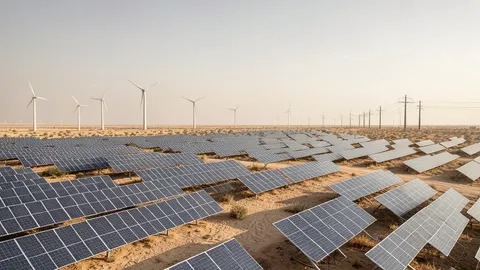
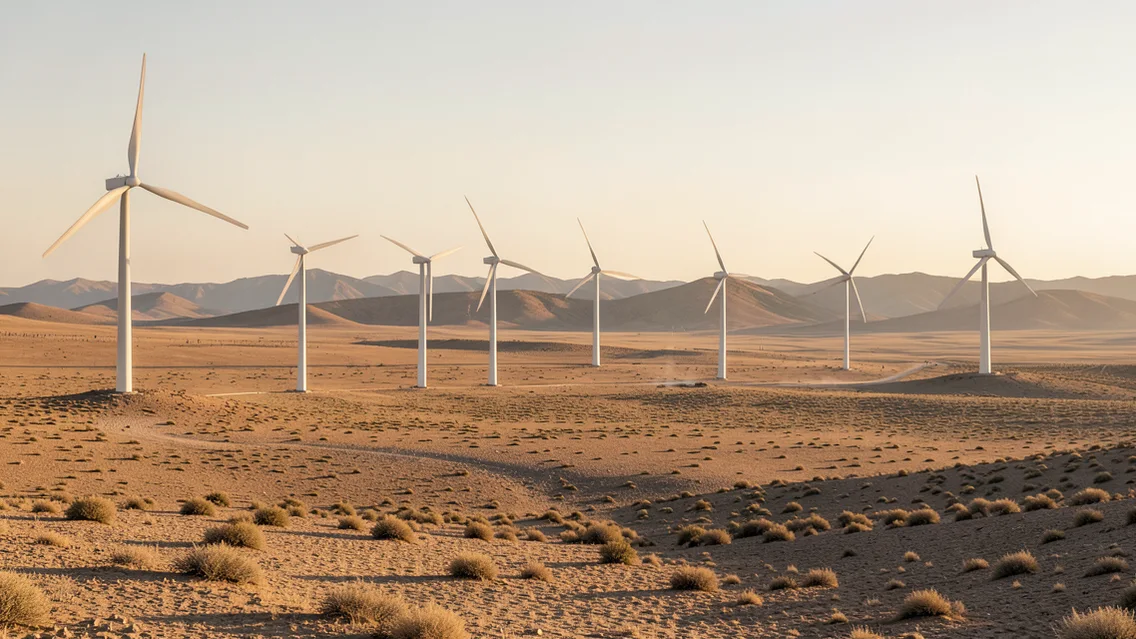
The article traces historical windmills and modern turbines. Theoretical wind power depends on air density, rotor swept area and the cube of wind speed, but actual electrical output follows the turbine power curve, operating limits and efficiency. Cut-in, rated and cut-out speeds vary by product. One speed or rotor diameter cannot estimate annual generation.
Capacity differs from energy
Power is measured in kW or MW; energy in kWh or MWh over time. Hypothetically, a 2 MW turbine at a 35% annual capacity factor produces around 6,132 MWh over 8,760 hours. This does not establish a Saudi site’s capacity factor or revenue. Assess long-term wind data, measurement height, turbulence, wake losses, electrical losses and downtime.
Projects, environment and feasibility
The source cites Dumat Al Jandal as part of renewable-energy development. Separate installed capacity from projected and measured generation, and investment cost from electricity purchase prices. Feasibility covers grid connection, transport, maintenance, land use, birds, noise and communities. Wind avoids combustion emissions during generation, but lifecycle impacts require assessment.
Comparison and verification table
| Factor | Evidence or action |
|---|---|
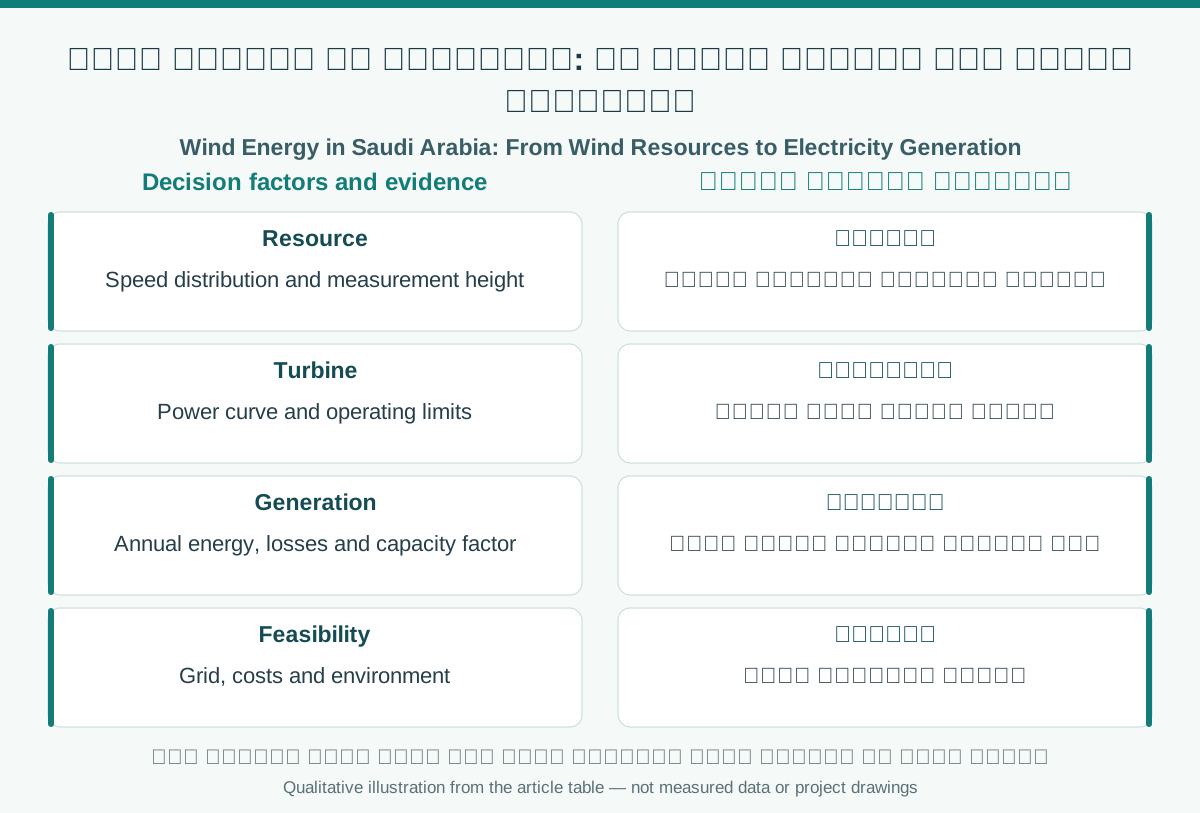
| Resource | Speed distribution and measurement height |
| Turbine | Power curve and operating limits |
| Generation | Annual energy, losses and capacity factor |
| Feasibility | Grid, costs and environment |
A visual reading of the article topic
- 01How does wind become electricity?
- 02Capacity differs from energy
- 03Projects, environment and feasibility
- 04Comparison and verification table
Practical workflow
- 01 Assess wind resource
- 02 Select site-suitable turbine
- 03 Estimate energy and losses
- 04 Assess feasibility and impacts
Conceptual editorial diagram; not measured data.
Sources and limitations
Editorial adaptation based on the original WordPress archive; original source retained separately. Historical cost, targets, generation and windmill dates from 2021 require verification. The example is not a current output estimate for Dumat Al Jandal.
Topics and source excerpts
| Topic | Excerpt from article |
|---|---|
| How does wind become electricity? | The article traces historical windmills and modern turbines. |
| Capacity differs from energy | Power is measured in kW or MW; energy in kWh or MWh over time. |
| Projects, environment and feasibility | The source cites Dumat Al Jandal as part of renewable-energy development. |
| Practical workflow | 01 Assess wind resource |
| Sources and limitations | Editorial adaptation based on the original WordPress archive; original source retained separately. |
| References and limitations | Illustrative energy is nameplate capacity multiplied by period hours and capacity factor: 6,132 MWh in this example, not metered generation. |
Source excerpts organized for comparison, not newly researched findings.
References and limitations
Illustrative energy is nameplate capacity multiplied by period hours and capacity factor: 6,132 MWh in this example, not metered generation. Attribute national project figures to their statistical year.
The following references support selected topics in the article.
- DOE How Do Wind Turbines Work?
- EIA Glossary: Capacity Factor
- GASTAT Renewable Energy Statistics 2024 announcement, 14 July 2025