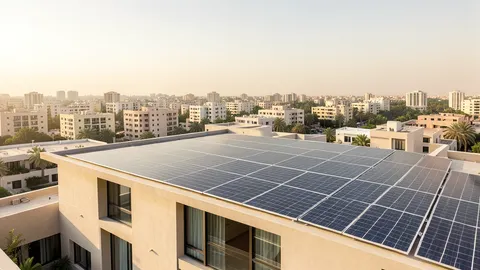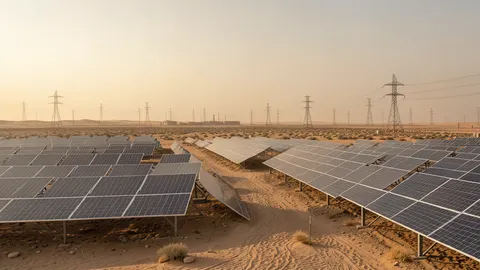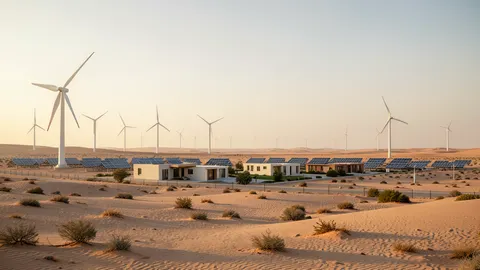
From targets to delivery
The article discussed Saudi renewable-energy programs and projections tied to 2023 and 2030. Distinguish announced targets, contracted capacity, construction, grid-connected projects and actual generation. An announced goal does not demonstrate achievement. Renewable resources include solar, wind, bioenergy and others with different output, cost and site characteristics; natural gas remains fossil fuel, not renewable energy.
Integrating generation and demand
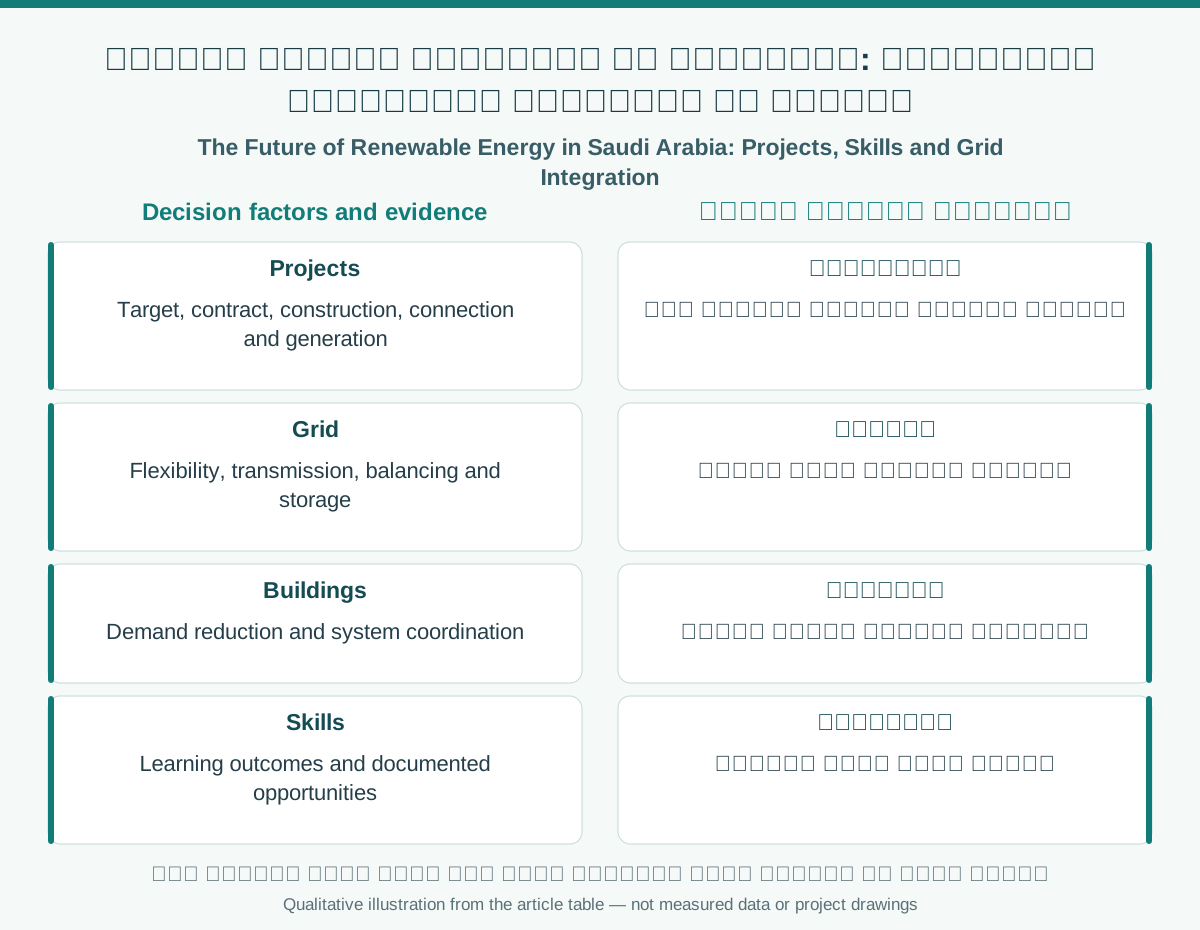
Solar and wind output varies with time and weather; assess its alignment with demand and grid transmission and balancing capacity. Flexibility, storage, demand management and coordination among resources may support operations, subject to cost and requirements. Measure generation, reliability, costs and lifecycle impacts rather than nameplate capacity or project count alone.
Skills, education and employment
The source discusses renewable-energy engineering and careers. The value chain involves electrical, mechanical, civil, material, environmental, data, design, operations and safety skills. Architects can reduce building energy demand and coordinate system integration with specialists. Compare academic programs by curriculum, accreditation and practical work; use dated job advertisements instead of assuming fixed salaries or program duration.
Comparison and verification table
| Factor | Evidence or action |
|---|---|
| Projects | Target, contract, construction, connection and generation |
| Grid | Flexibility, transmission, balancing and storage |
| Buildings | Demand reduction and system coordination |
| Skills | Learning outcomes and documented opportunities |
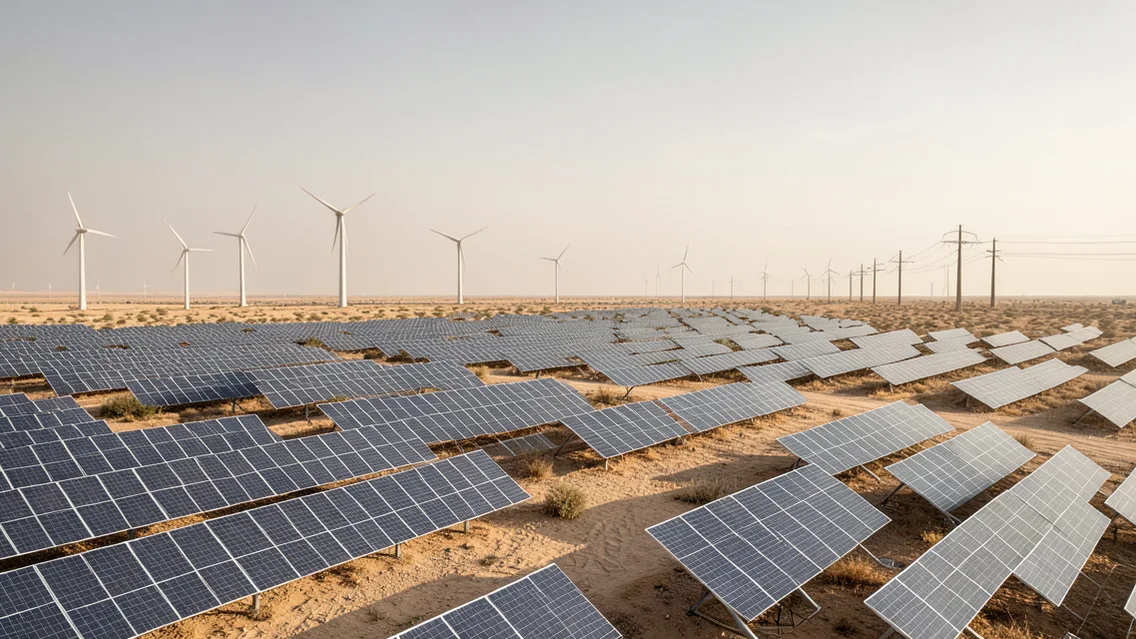
A visual reading of the article topic
- 01From targets to delivery
- 02Integrating generation and demand
- 03Skills, education and employment
- 04Comparison and verification table
Practical workflow
- 01 Verify actual project stage
- 02 Analyze generation and demand
- 03 Identify skill gap
- 04 Evaluate performance and impact
Conceptual editorial diagram; not measured data.
Sources and limitations
Editorial adaptation based on the original WordPress archive; original source retained separately. 2023 and 2030 targets, salary figures and program durations from 2021 are not updated data; verify with energy, education and employment authorities.
Topics and source excerpts
| Topic | Excerpt from article |
|---|---|
| From targets to delivery | The article discussed Saudi renewable-energy programs and projections tied to 2023 and 2030. |
| Integrating generation and demand | Solar and wind output varies with time and weather; assess its alignment with demand and grid transmission and balancing capacity. |
| Skills, education and employment | The source discusses renewable-energy engineering and careers. |
| Practical workflow | 01 Verify actual project stage |
| Sources and limitations | Editorial adaptation based on the original WordPress archive; original source retained separately. |
| References and limitations | Official statistics distinguish commissioned projects, capacity, investment and purchase costs. |
Source excerpts organized for comparison, not newly researched findings.
References and limitations
Official statistics distinguish commissioned projects, capacity, investment and purchase costs. Separate national targets from verified delivery; capacity alone does not establish employment.
The following references support selected topics in the article.
- GASTAT Renewable Energy Statistics 2024 announcement, 14 July 2025
- GASTAT Methodology and Quality Report for Renewable Energy Statistics 2025, 26 July 2026
- Saudi National Platform Sustainable Development
- UN SDG 7 targets and indicators