Finishes support room function
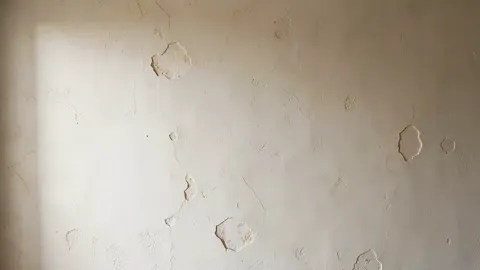
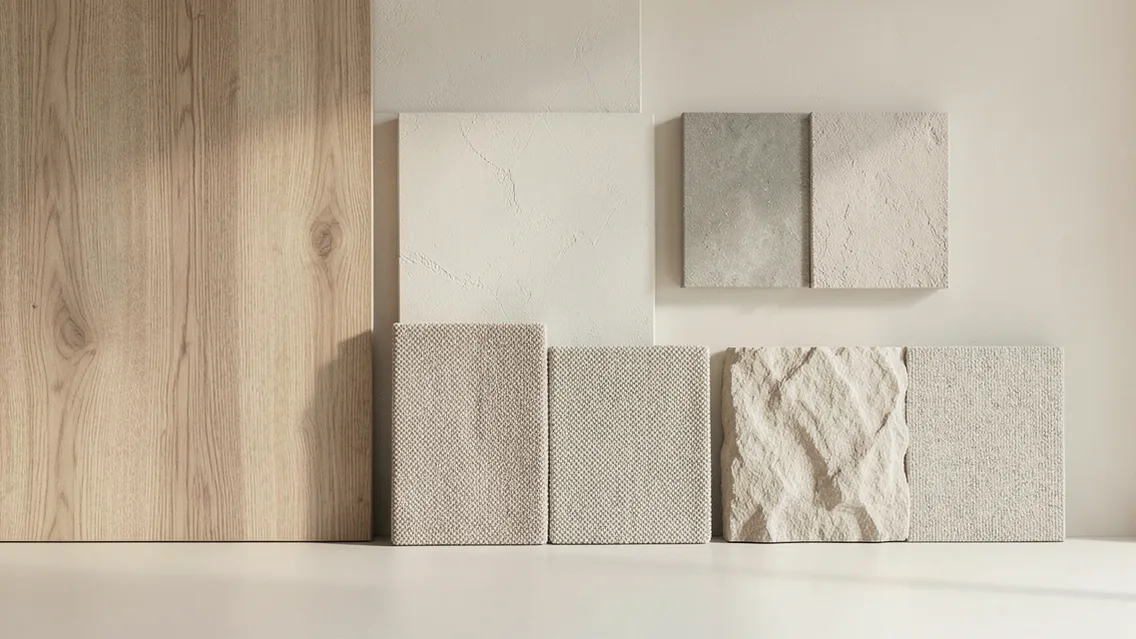
The source presents assorted wall coverings. Selection begins with use, moisture, abrasion, cleaning, lighting, desired appearance and budget. Wood, stone or fabric do not inherently guarantee damp protection or acoustic insulation; performance depends on the complete assembly, installation and substrate. Repair leaks or damage before covering walls.
Materials and detailing
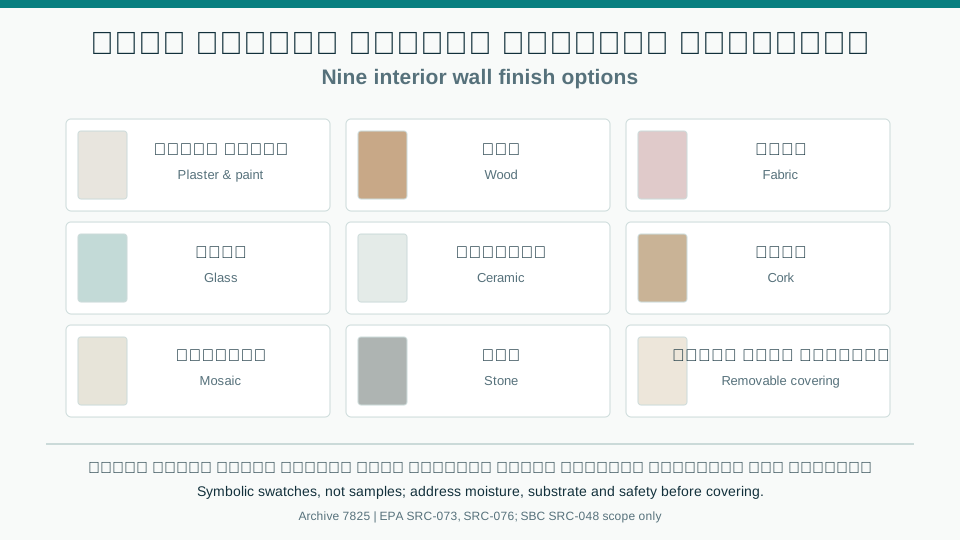
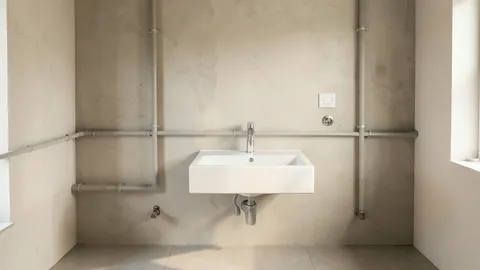
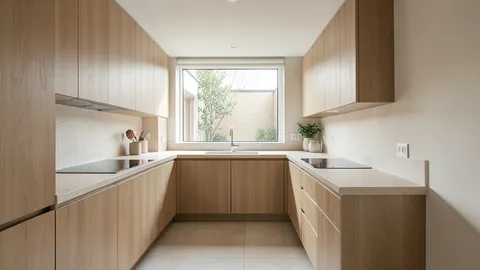
Plaster and paint suit many dry rooms when specified appropriately; wood, fabric and cork may add texture and acoustic benefits depending on testing. Glass requires safety glazing and anchorage review, and heavy stone cladding requires load and support verification. Some ceramic and mosaic products suit wet areas, but tiles and grout do not replace required waterproofing.
Samples, maintenance and change
Review a mock-up in actual room lighting, checking substrate flatness, cleanability, emissions and fire performance where relevant. Removable coverings may allow flexible renewal, but adhesive compatibility and residue removal matter. Compare preparation, installation, maintenance and replacement costs; replaceable finishes have different cost profiles from permanent systems. Document materials and cleaning methods before handover.
Comparison and verification table
| Factor | Evidence or action |
|---|---|
| Plaster and paint | Substrate, flatness and cleanability |
| Wood | Moisture, fire and anchorage |
| Fabric | Cleaning, emissions and fire |
| Glass | Safety type and anchorage |
| Ceramic | Substrate, moisture and joints |
| Cork | Durability and verified acoustics |
| Mosaic | Details, joints and installation quality |
| Stone | Weight, support and maintenance |
| Removable covering | Adhesive, substrate and renewal |
A visual reading of the article topic
- 01Finishes support room function
- 02Materials and detailing
- 03Samples, maintenance and change
- 04Comparison and verification table
Practical workflow
- 01 Define room function
- 02 Compare materials and performance
- 03 Approve sample and installation details
- 04 Document maintenance and renewal
Conceptual editorial diagram; not measured data.
Topics and source excerpts
| Topic | Excerpt from article |
|---|---|
| Finishes support room function | The source presents assorted wall coverings. |
| Materials and detailing | Plaster and paint suit many dry rooms when specified appropriately; wood, fabric and cork may add texture and acoustic benefits depending on testing. |
| Samples, maintenance and change | Review a mock-up in actual room lighting, checking substrate flatness, cleanability, emissions and fire performance where relevant. |
| Practical workflow | 01 Define room function |
| Sources and limitations | Editorial adaptation based on the original WordPress archive; original source retained separately. |
Source excerpts organized for comparison, not newly researched findings.
Sources and limitations
Editorial adaptation based on the original WordPress archive; original source retained separately. The historical ten-idea heading was revised because the source lists nine options. Material benefits and costs require product-specific verification; performance is not assumed without evidence.
- US EPA: Basic Mold Cleanup Steps — Address moisture, dry surfaces and avoid coating mold before remediation; not a universal finishing recipe.
- US EPA: Best Practices for Indoor Air Quality When Remodeling — Correct defects, moisture and leaks before refinishing; specific hazardous materials and local requirements still need review.
- Saudi Building Code: Residential Code SBC 1101–1102, 2024 — Scope for qualifying homes and disciplines; detailed clauses and project dimensions not verified.