Two complementary functions
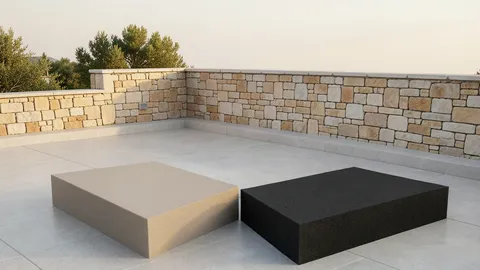
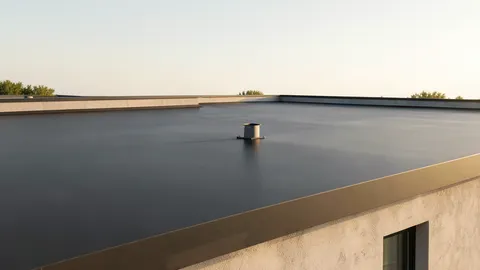
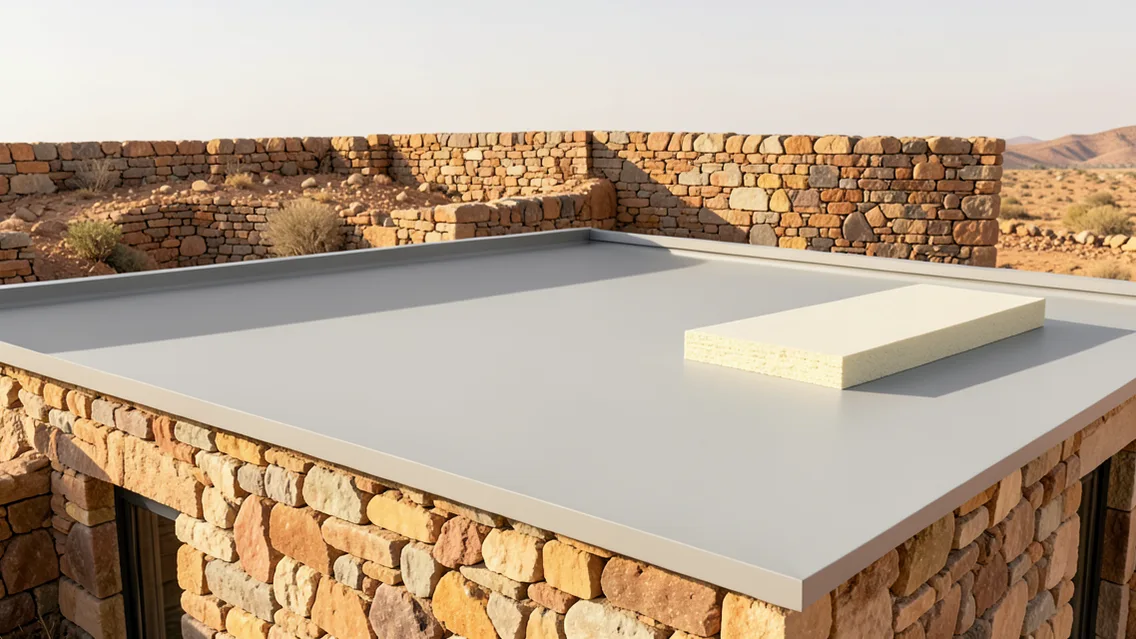
Roofs face sun, heat, rain, moisture and weather changes. Thermal insulation limits heat transfer through the assembly; waterproofing resists water penetration when correctly detailed. Not every material performs both functions. Establish roof requirements for site, climate, use, loading and applicable rules; review falls, drains and emergency overflow where needed before choosing layers.
Materials and assembly order
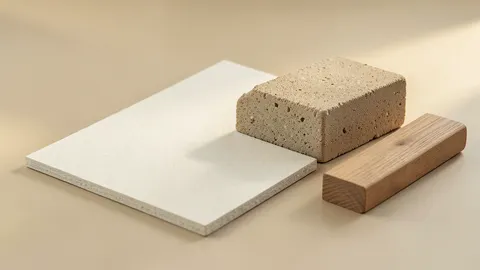
The source discusses polyurethane foam, EPS and XPS boards and waterproofing materials. Compare conductivity, compression, moisture, aging, fire and compatibility with membranes and protective layers. Conventional and inverted roofs differ in insulation, membrane and protection sequence; assess condensation, air leakage and moisture according to design. Exposed foam or a single layer is not automatically a verified waterproofing system; review UV protection and system instructions.
Installation, acceptance and care
Correct substrate defects and verify cleanliness, integrity and moisture before applying the system; coordinate penetrations, upstands, drains and joints. Inspect seams, laps, fixing and thickness according to the system before concealment. Suitable watertightness testing may be specified, but do not flood or water-load roofs without checking capacity, drainage and professional approval. Retain test and warranty records and plan drain cleaning and membrane and penetration checks after later works.
Comparison and verification table
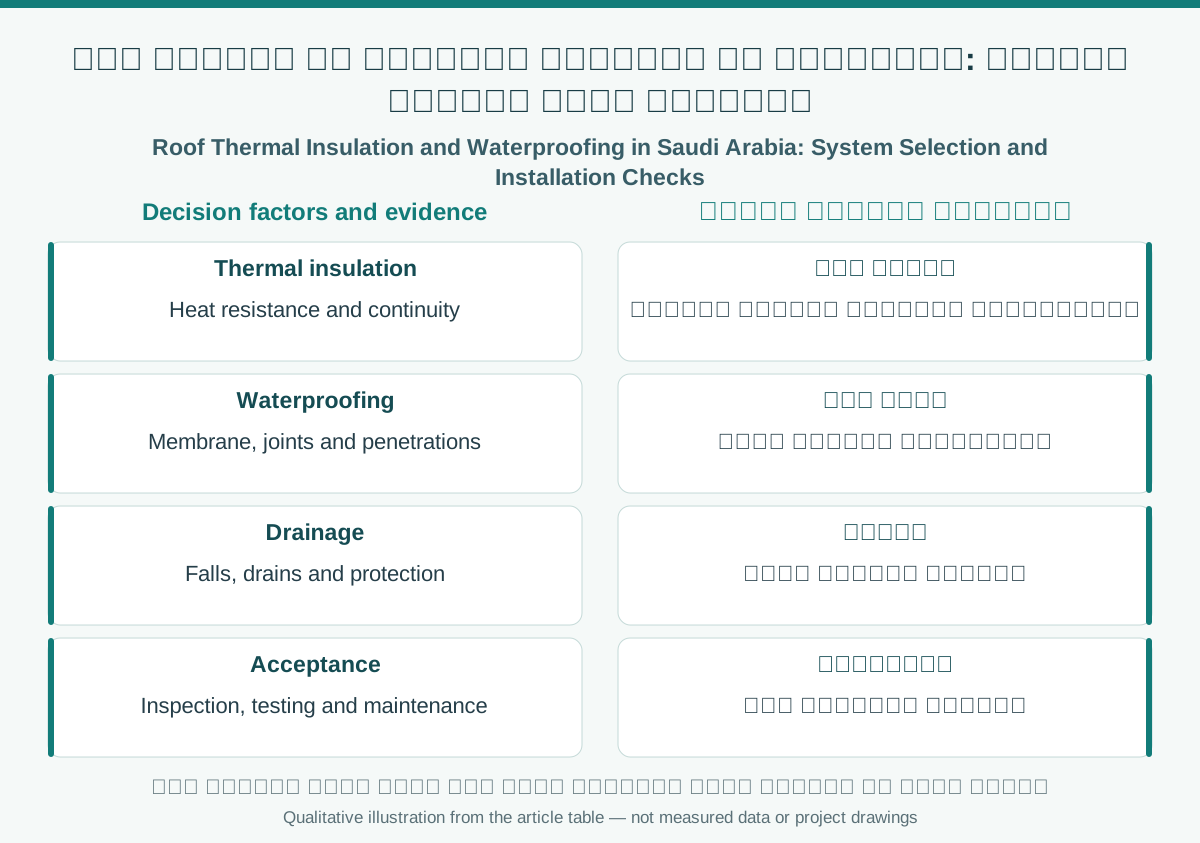
| Factor | Evidence or action |
|---|---|
| Thermal insulation | Heat resistance and continuity |
| Waterproofing | Membrane, joints and penetrations |
| Drainage | Falls, drains and protection |
| Acceptance | Inspection, testing and maintenance |
A visual reading of the article topic
- 01Two complementary functions
- 02Materials and assembly order
- 03Installation, acceptance and care
- 04Comparison and verification table
Practical workflow
- 01 Define roof performance
- 02 Select compatible assembly
- 03 Inspect before concealment
- 04 Test and maintain system
Conceptual editorial diagram; not measured data.
Sources and limitations
Editorial adaptation based on the original WordPress archive; original source retained separately. Absolute material or combined-insulation suitability claims need design, code and product verification; no universal mandatory thickness or installation method is provided.
Topics and source excerpts
| Topic | Excerpt from article |
|---|---|
| Two complementary functions | Roofs face sun, heat, rain, moisture and weather changes. |
| Materials and assembly order | The source discusses polyurethane foam, EPS and XPS boards and waterproofing materials. |
| Installation, acceptance and care | Correct substrate defects and verify cleanliness, integrity and moisture before applying the system; coordinate penetrations, upstands, drains and joints. |
| Practical workflow | 01 Define roof performance |
| Sources and limitations | Editorial adaptation based on the original WordPress archive; original source retained separately. |
| References and limitations | Coordinate thermal insulation with the waterproofing system and roof drainage. |
Source excerpts organized for comparison, not newly researched findings.
References and limitations
Coordinate thermal insulation with the waterproofing system and roof drainage. Membrane testing guidance warns that water loads may exceed structural capacity, so testing needs appropriate assessment.
The following references support selected topics in the article.
- DOE/PNNL Building America Solution Center – Building Science Introduction: Heat Flow
- DOE Building Science Education – Air Barriers vs Vapor Barriers
- WBDG – Moisture Management
- WBDG – Integrity Testing for Roofing and Waterproofing Membranes
- WBDG – UFGS 07 55 00 Protected Membrane Roofing (PMR)
- Saudi Code for Energy Conservation – Residential Building (SBC 602), 2024 catalogue