How insulated windows work
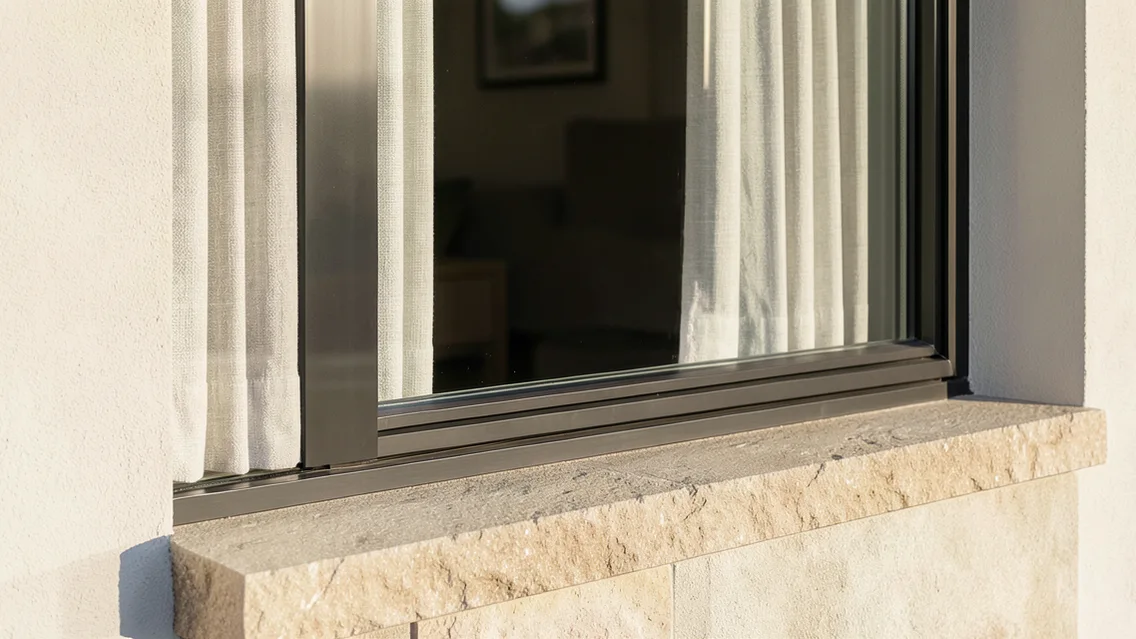
The source discusses double glazing. Conventional insulating glass units typically consist of panes separated by a sealed cavity containing dry air or suitable gas, not necessarily a vacuum. Heat moves through conduction, convection and radiation; sound follows different transmission mechanisms. Window performance depends on glazing, frames, spacers, installation and air leakage, not pane count alone.
Comparison indicators
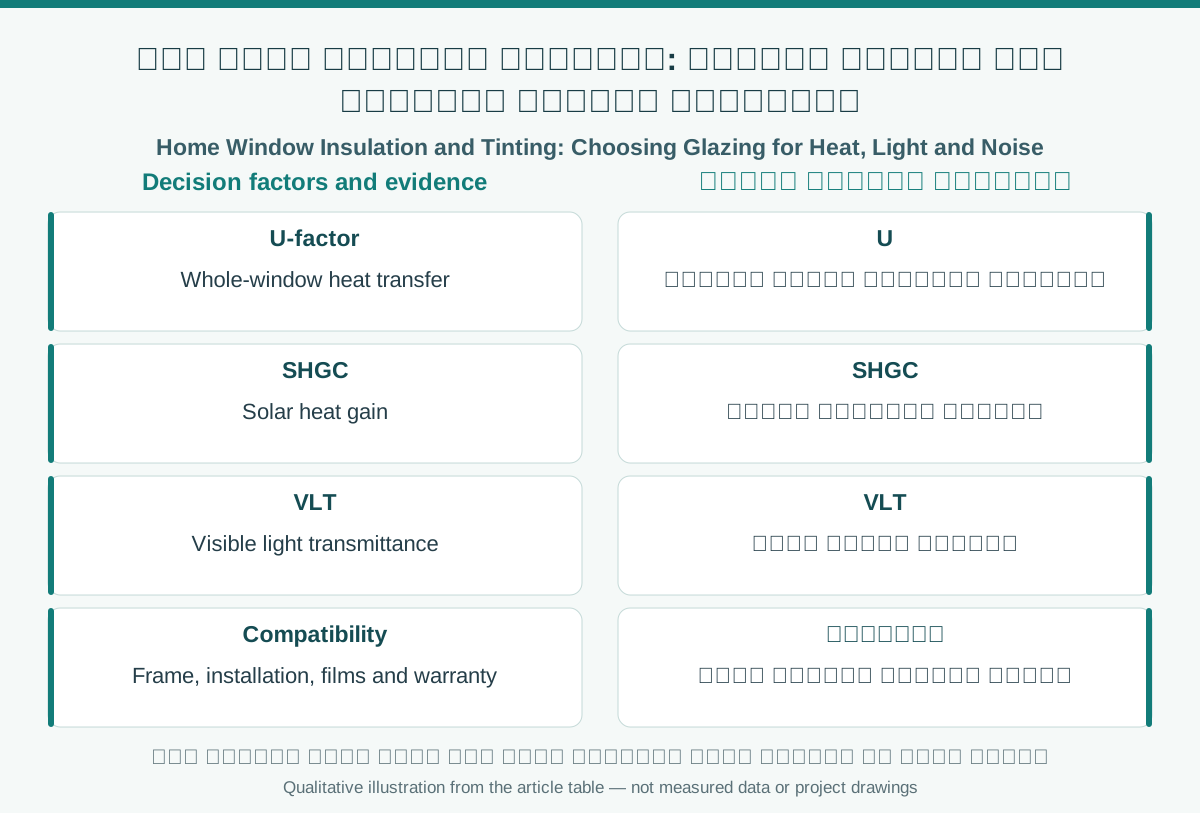
U-factor measures heat transfer through a window; lower values mean better thermal insulation under equivalent conditions. SHGC describes solar heat gain through the product, while VLT measures visible light transmission. Lower visible transmittance does not imply proportional solar-gain reduction and may increase artificial lighting needs. Consider orientation, external shading and frame performance, using whole-window data where available.
Films, privacy and safety
Some window films improve glare or solar control according to specifications, but compatibility matters to avoid thermal stress or warranty issues. Privacy varies with indoor and outdoor lighting, and double glazing is not automatically safety or security glazing. Request UV, acoustic and safety specifications and compare them against climate and intended use.
Decision review table
| Factor | Evidence or action |
|---|---|
| U-factor | Whole-window heat transfer |
| SHGC | Solar heat gain |
| VLT | Visible light transmittance |
| Compatibility | Frame, installation, films and warranty |
A visual reading of the article topic
- 01How insulated windows work
- 02Comparison indicators
- 03Films, privacy and safety
- 04Decision review table
Practical workflow
- 01 Define orientation and problem
- 02 Compare technical indicators
- 03 Review compatibility and installation
- 04 Assess comfort and light
Conceptual editorial diagram; not measured data.
Sources and limitations
Editorial adaptation based on the original WordPress archive; original source retained separately. UV-blocking, security and privacy figures from 2021 vary by product and are not guarantees. The source video is preserved.
Topics and source excerpts
| Topic | Excerpt from article |
|---|---|
| How insulated windows work | The source discusses double glazing. |
| Comparison indicators | U-factor measures heat transfer through a window; lower values mean better thermal insulation under equivalent conditions. |
| Films, privacy and safety | Some window films improve glare or solar control according to specifications, but compatibility matters to avoid thermal stress or warranty issues. |
| Practical workflow | 01 Define orientation and problem |
| Sources and limitations | Editorial adaptation based on the original WordPress archive; original source retained separately. |
| References and limitations | Compare whole-window U-factor, SHGC and visible transmittance together rather than pane count alone. |
Source excerpts organized for comparison, not newly researched findings.
References and limitations
Compare whole-window U-factor, SHGC and visible transmittance together rather than pane count alone. Check complete-product data, climate suitability and applicable energy-code requirements.
The following references support selected topics in the article.
- US DOE FEMP – Purchasing Energy-Efficient Residential Windows, Doors, and Skylights
- Saudi Code for Energy Conservation – Residential Building (SBC 602), 2024 catalogue
- UL Solutions – Doors, Windows and Related Hardware Application Guide