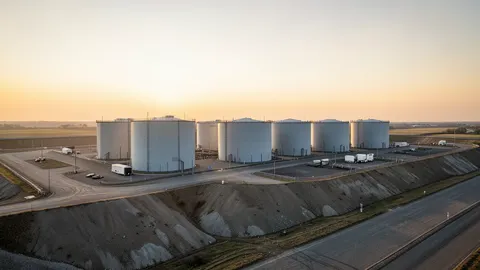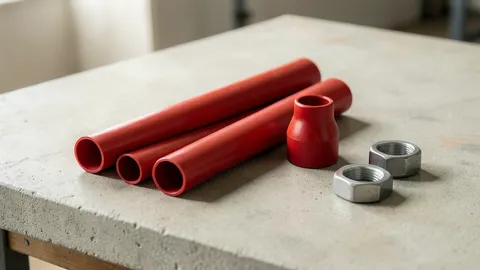
Classify networks before materials
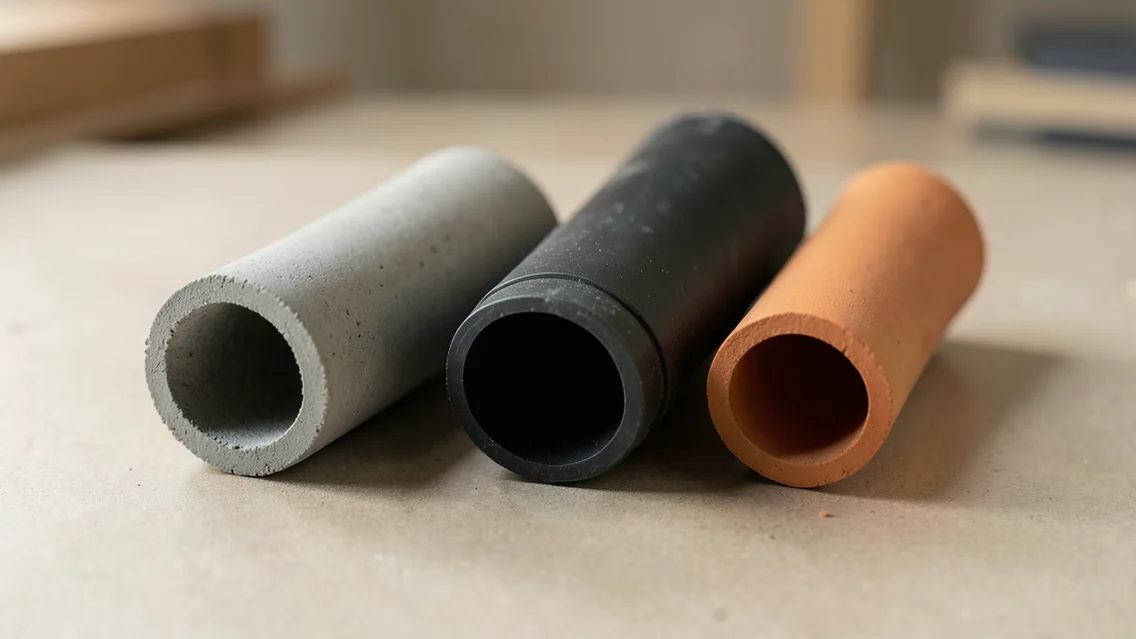
The article reviews vitrified clay, reinforced concrete, cast iron, plastics and fiber-reinforced polyester pipes. Gravity sewers differ from force mains; sanitary, industrial, stormwater and drinking-water systems have distinct requirements. Fluid characteristics, temperature, chemistry, flow, pressure and discharge destination define system properties. A material suited to potable or domestic water is not automatically appropriate for industrial waste.
Compare pipe properties
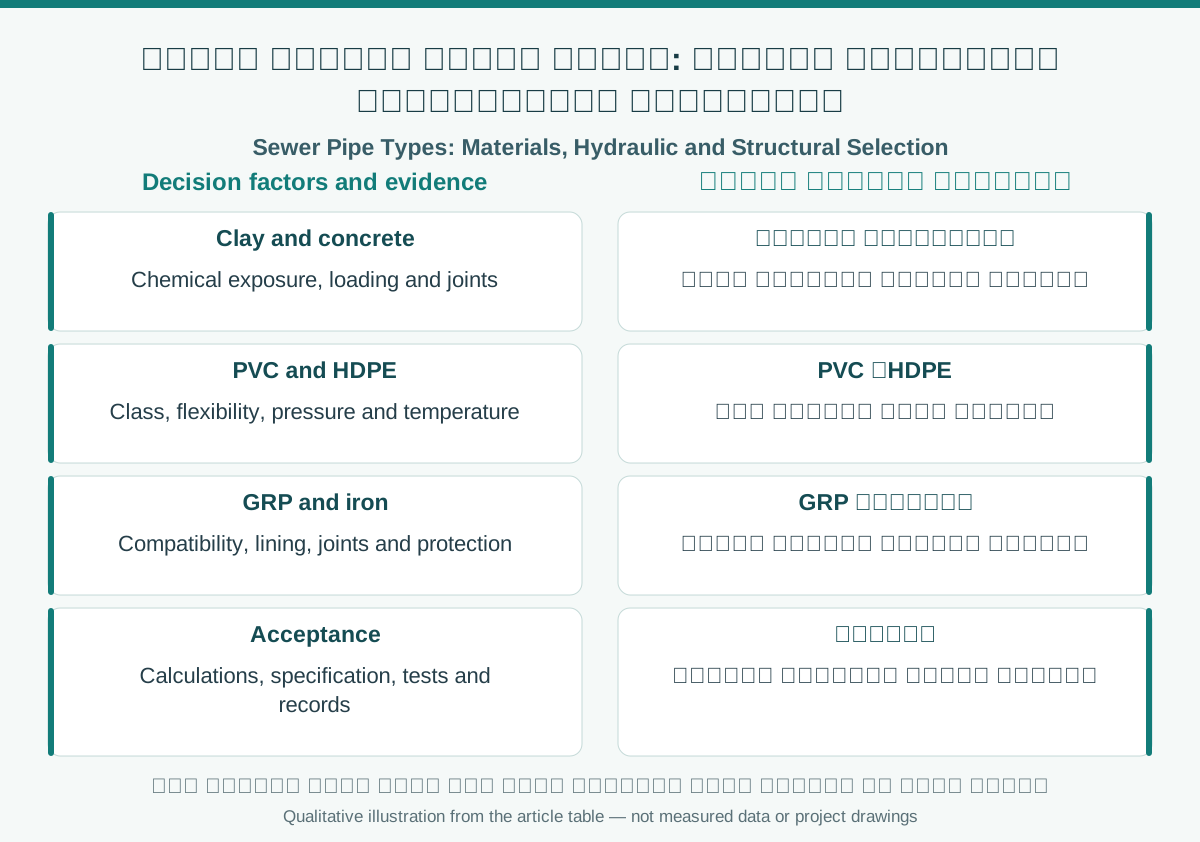
Vitrified clay can offer suitable chemical resistance in some uses; reinforced concrete serves applications with verified structural and durability requirements. PVC, HDPE and GRP differ in load behavior, joints, flexibility, thermal and chemical exposure, while iron systems require corrosion, lining and connection review. Performance depends on product class, bedding, soil, backfill, loads and movement, not material name or smoothness alone.
Calculations, testing and lifetime cost
Specialists determine diameters, slopes or pressure losses, access and cleaning provisions through network analysis, reviewing load resistance, buoyancy, leakage and stability for site conditions. Obtain product certificates and relevant test results, verifying joints and routes before backfill. Compare procurement, installation, connections, excavation, maintenance, repair and replacement costs. Do not use 2021 prices or historical factory acceptance tables for current purchases or tests.
Comparison and verification table
| Factor | Evidence or action |
|---|---|
| Clay and concrete | Chemical exposure, loading and joints |
| PVC and HDPE | Class, flexibility, pressure and temperature |
| GRP and iron | Compatibility, lining, joints and protection |
| Acceptance | Calculations, specification, tests and records |
A visual reading of the article topic
- 01Classify networks before materials
- 02Compare pipe properties
- 03Calculations, testing and lifetime cost
- 04Comparison and verification table
Practical workflow
- 01 Define drainage type and fluid
- 02 Compare product properties
- 03 Approve design and tests
- 04 Review lifetime cost and operation
Conceptual editorial diagram; not measured data.
Sources and limitations
Editorial adaptation based on the original WordPress archive; original source retained separately. Historical pressure, absorption, acid-resistance and price tables require product and standards verification. Original video retained; this is not sewer design or a testing procedure.
Topics and source excerpts
| Topic | Excerpt from article |
|---|---|
| Classify networks before materials | The article reviews vitrified clay, reinforced concrete, cast iron, plastics and fiber-reinforced polyester pipes. |
| Compare pipe properties | Vitrified clay can offer suitable chemical resistance in some uses; reinforced concrete serves applications with verified structural and durability require… |
| Calculations, testing and lifetime cost | Specialists determine diameters, slopes or pressure losses, access and cleaning provisions through network analysis, reviewing load resistance, buoyancy, l… |
| Practical workflow | 01 Define drainage type and fluid |
| Sources and limitations | Editorial adaptation based on the original WordPress archive; original source retained separately. |
| References and limitations | Wastewater references distinguish gravity lines and force mains and identify multiple materials. |
Source excerpts organized for comparison, not newly researched findings.
References and limitations
Wastewater references distinguish gravity lines and force mains and identify multiple materials. Select material, diameter and joints for flow, pressure, ground and corrosion rather than name alone.
The following references support selected topics in the article.
- Saudi Plumbing Code SBC 701 (2024)
- EPA Report on Condition Assessment Technology of Wastewater Collection Systems
- EPA Wastewater Technology Fact Sheet: Sewers, Force Main (2000)