Programming and information analysis
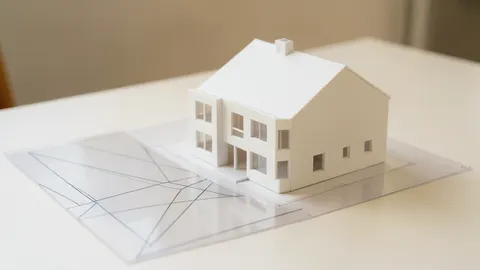
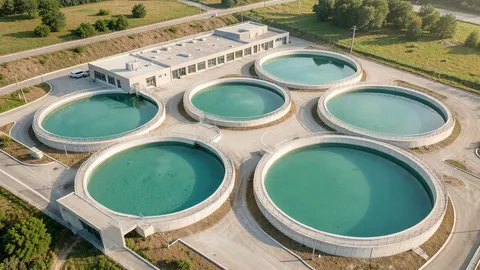
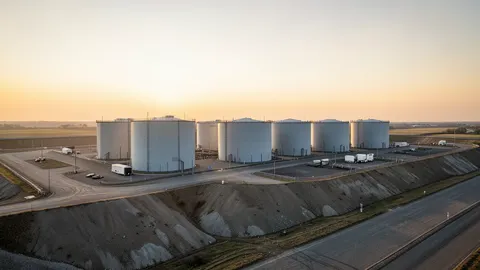
The source begins with problem, function, site, regulations, culture, materials and structural systems. Translate these into a program describing users, activities, areas, relationships and performance, separating verified needs from assumptions. Analyze topography, access, noise, wind, sun, views, soil and utilities. Document sources and missing information that could affect decisions.
Concept generation and alternatives
Translate functional relationships into diagrams and massing and spatial arrangements, then develop options. Unity, balance, rhythm, hierarchy and expression describe how parts relate, not a universal visual recipe. Character responds to program, climate, society and technology. Modular coordination can align dimensions, components, materials and repetition without imposing units that do not fit activities or human needs.
Evaluation, development and iteration
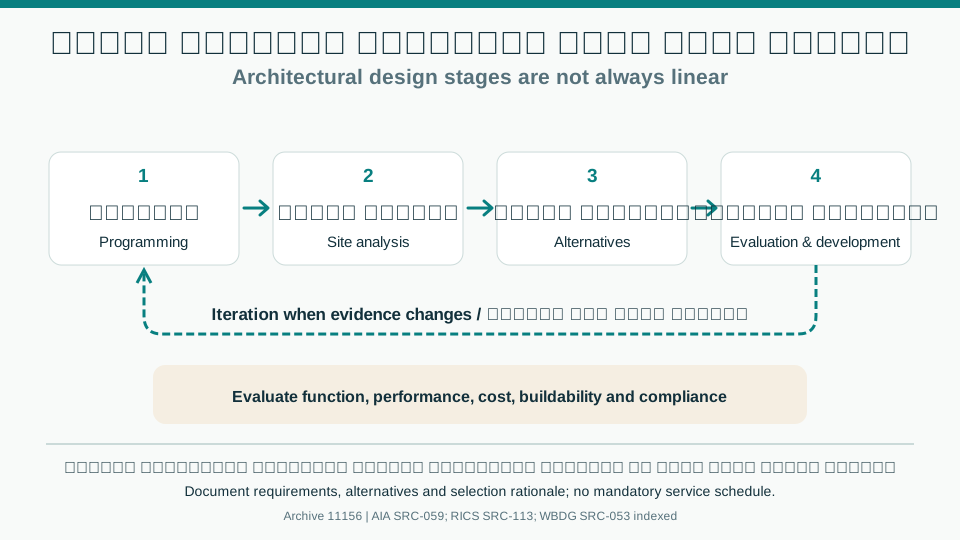
Compare options against program, performance, cost, buildability and compliance; record selection rationale and conflicts. Structural review, simulation or user sessions may require returning to the program or concept, so stages are not rigidly linear. Develop the selected option into coordinated details, documents, verification and contract-specific reviews. Decision records distinguish proposals from approved solutions.
Comparison and verification table
| Factor | Evidence or action |
|---|---|
| Programming | Needs, requirements and sources |
| Analysis | Site, constraints and opportunities |
| Composition | Options, relationships and module |
| Evaluation | Evidence, comparison and decision |
A visual reading of the article topic
- 01Programming and information analysis
- 02Concept generation and alternatives
- 03Evaluation, development and iteration
- 04Comparison and verification table
Practical workflow
- 01 Document requirements
- 02 Analyze site
- 03 Generate alternatives
- 04 Evaluate, develop and review
Conceptual editorial diagram; not measured data.
Topics and source excerpts
| Topic | Excerpt from article |
|---|---|
| Programming and information analysis | The source begins with problem, function, site, regulations, culture, materials and structural systems. |
| Concept generation and alternatives | Translate functional relationships into diagrams and massing and spatial arrangements, then develop options. |
| Evaluation, development and iteration | Compare options against program, performance, cost, buildability and compliance; record selection rationale and conflicts. |
| Practical workflow | 01 Document requirements |
| Sources and limitations | Editorial adaptation based on the original WordPress archive; original source retained separately. |
Source excerpts organized for comparison, not newly researched findings.
Sources and limitations
Editorial adaptation based on the original WordPress archive; original source retained separately. Stage names and deliverables vary by professional agreement and jurisdiction; this framework is not a mandatory service schedule.
- WBDG: Architectural Programming — Indexed corroboration of goals, functions, activities, costs and timing; staging link stability unconfirmed, prefer complementary readable sources.
- RICS: New Rules of Measurement (NRM) — Cost planning, detailed measurement and maintenance; not a savings estimate or project prices.
- AIA: A Problem Well Stated — Owner Project Requirements — Practitioner guidance on brief, site, function, performance and cost; not code approval or blanket endorsement.