Light as part of architectural composition
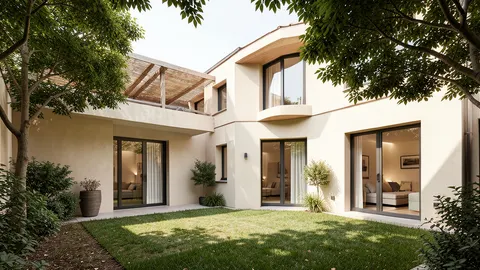
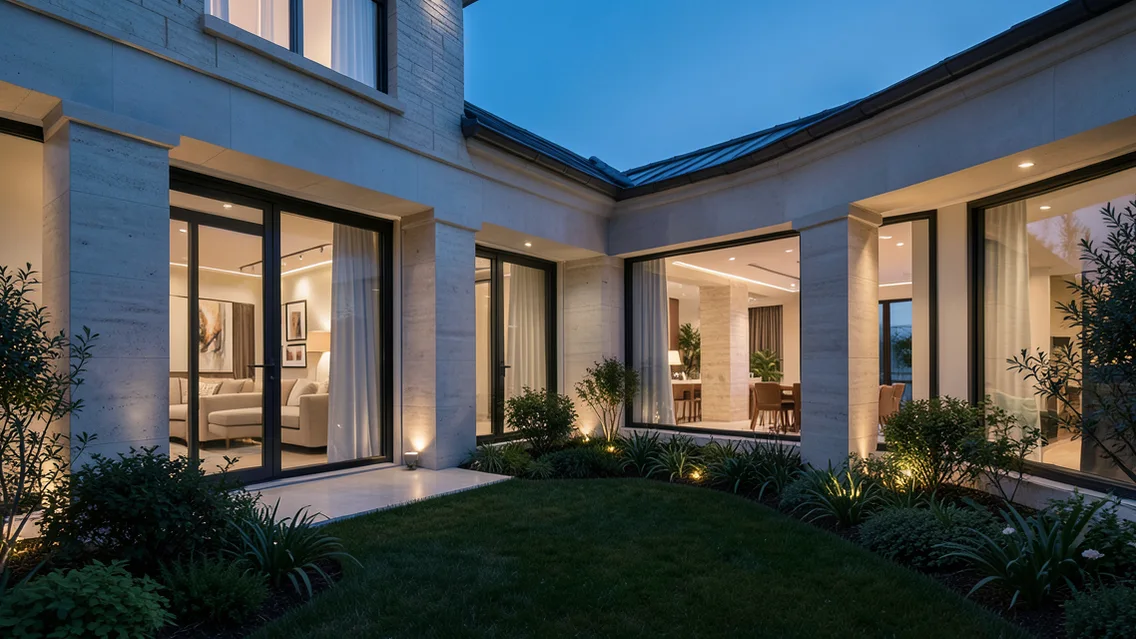
The source explains how light distribution influences perceived volume, depth, materials and attention. Define activities, circulation and focal elements before coordinating daylight, ambient, task and accent lighting. Test reflections, shadows, glare and color rendering on actual surfaces. Indirect lighting can define boundaries or soften contrasts but does not increase physical space or suit every task.
Dynamic lighting and controls
Intensity, color temperature and distribution may vary with time, activity or occupancy. Define the control objective, scenes, limits, transitions and manual controls, considering users sensitive to glare or flicker. Effects on sleep and alertness depend on timing, duration, intensity, spectrum and individual exposure; no universal improvement percentage is warranted. Review emergency lighting and safe visibility independently of aesthetic scenes.
Facades, sustainability and verification
Exterior lighting can clarify entrances, paths and architectural identity while limiting spill toward neighbors and sky and avoiding glare for pedestrians and drivers. Consider luminaire efficiency, distribution, operating hours, controls, heat management and maintenance. Projection mapping may create temporary displays where site permissions and glare risks are addressed. Validate through lighting calculations, samples or site tests, then commission settings and record performance and maintenance.
Comparison and verification table
| Factor | Evidence or action |
|---|---|
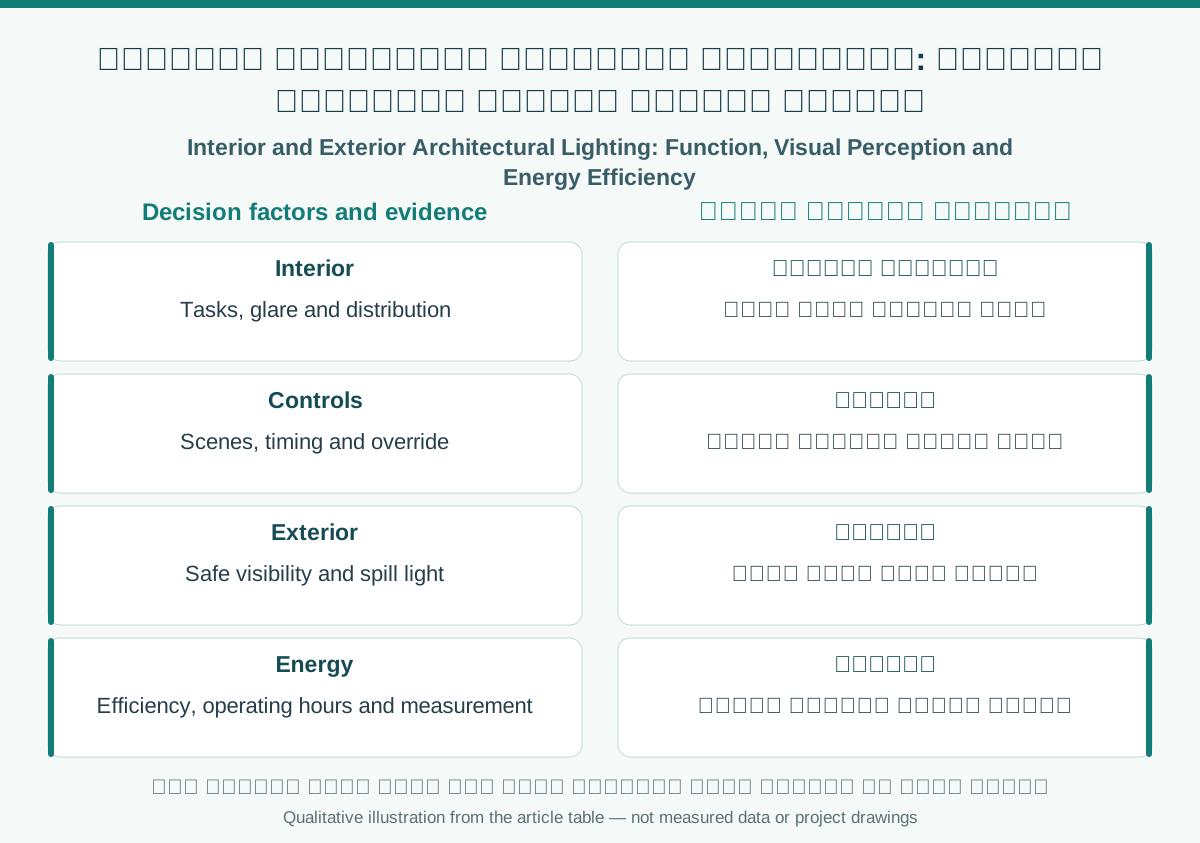
| Interior | Tasks, glare and distribution |
| Controls | Scenes, timing and override |
| Exterior | Safe visibility and spill light |
| Energy | Efficiency, operating hours and measurement |
A visual reading of the article topic
- 01Light as part of architectural composition
- 02Dynamic lighting and controls
- 03Facades, sustainability and verification
- 04Comparison and verification table
Practical workflow
- 01 Define activities and scenes
- 02 Design lighting layers
- 03 Test light and controls
- 04 Commission and maintain
Conceptual editorial diagram; not measured data.
Sources and limitations
Editorial adaptation based on the original WordPress archive; original source retained separately. Historical health and energy improvement percentages are not adopted; suitable research, project measurements and applicable lighting requirements are needed.
Topics and source excerpts
| Topic | Excerpt from article |
|---|---|
| Light as part of architectural composition | The source explains how light distribution influences perceived volume, depth, materials and attention. |
| Dynamic lighting and controls | Intensity, color temperature and distribution may vary with time, activity or occupancy. |
| Facades, sustainability and verification | Exterior lighting can clarify entrances, paths and architectural identity while limiting spill toward neighbors and sky and avoiding glare for pedestrians… |
| Practical workflow | 01 Define activities and scenes |
| Sources and limitations | Editorial adaptation based on the original WordPress archive; original source retained separately. |
| References and limitations | CIE explains that light responses depend on spectrum, intensity, duration and timing, with glare and energy considerations. |
Source excerpts organized for comparison, not newly researched findings.
References and limitations
CIE explains that light responses depend on spectrum, intensity, duration and timing, with glare and energy considerations. Historical health-improvement percentages are not guaranteed outcomes.
The following references support selected topics in the article.
- CIE Position Statement on Integrative Lighting, 3rd ed. (2024), public summary
- ISO/CIE TR 21783:2022 public abstract
- DOE About Building Energy Modeling