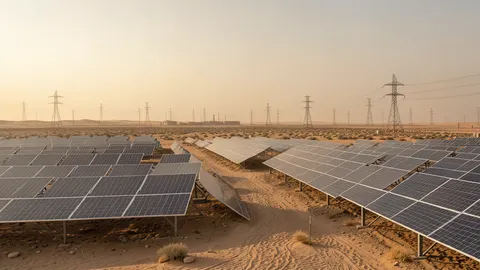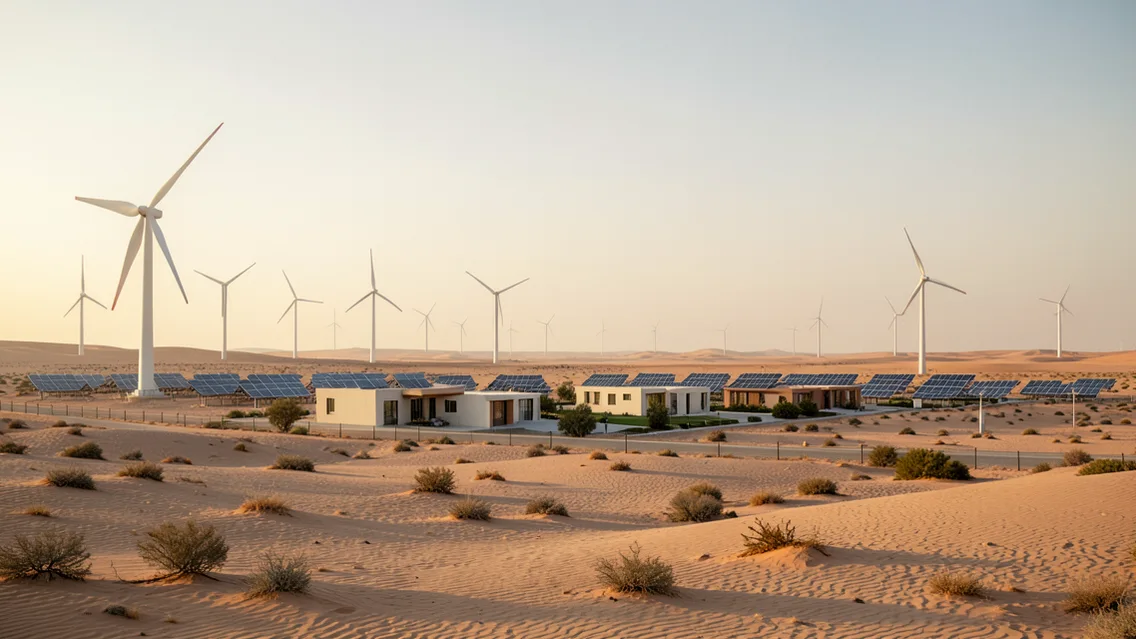
Sustainable development extends beyond electricity
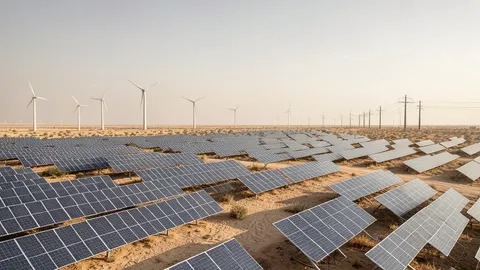
The article connects energy with economic and social development and protecting resources for future generations. Renewables can reduce fossil dependence in suitable applications, but assessment includes service quality, affordability, reliability and lifecycle impact. Nuclear energy, discussed in the source, is generally classified as low-carbon rather than renewable in the conventional sense; its risks and requirements differ from solar and wind.
Economics and value chains
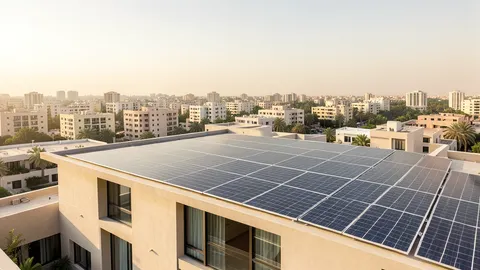
Projects may create opportunities in design, manufacturing, installation, operation and maintenance, but job numbers, durability and domestic value cannot be inferred from installed capacity alone. Compare generation, financing, connection, flexibility, skills and market risks. In buildings, first assess demand reduction through orientation, envelope, equipment and controls, then determine the role of renewable generation using actual site data.
Measure impact rather than slogans
Define a baseline, measurement period and assessment boundary, then compare generation, consumption and emissions consistently. Hypothetically, reducing a building’s annual use from 100 to 80 MWh is a 20% energy reduction under these assumptions, not necessarily the same emissions reduction. Review land, materials, water, distributional impacts and community participation, making decisions from evidence and trade-offs.
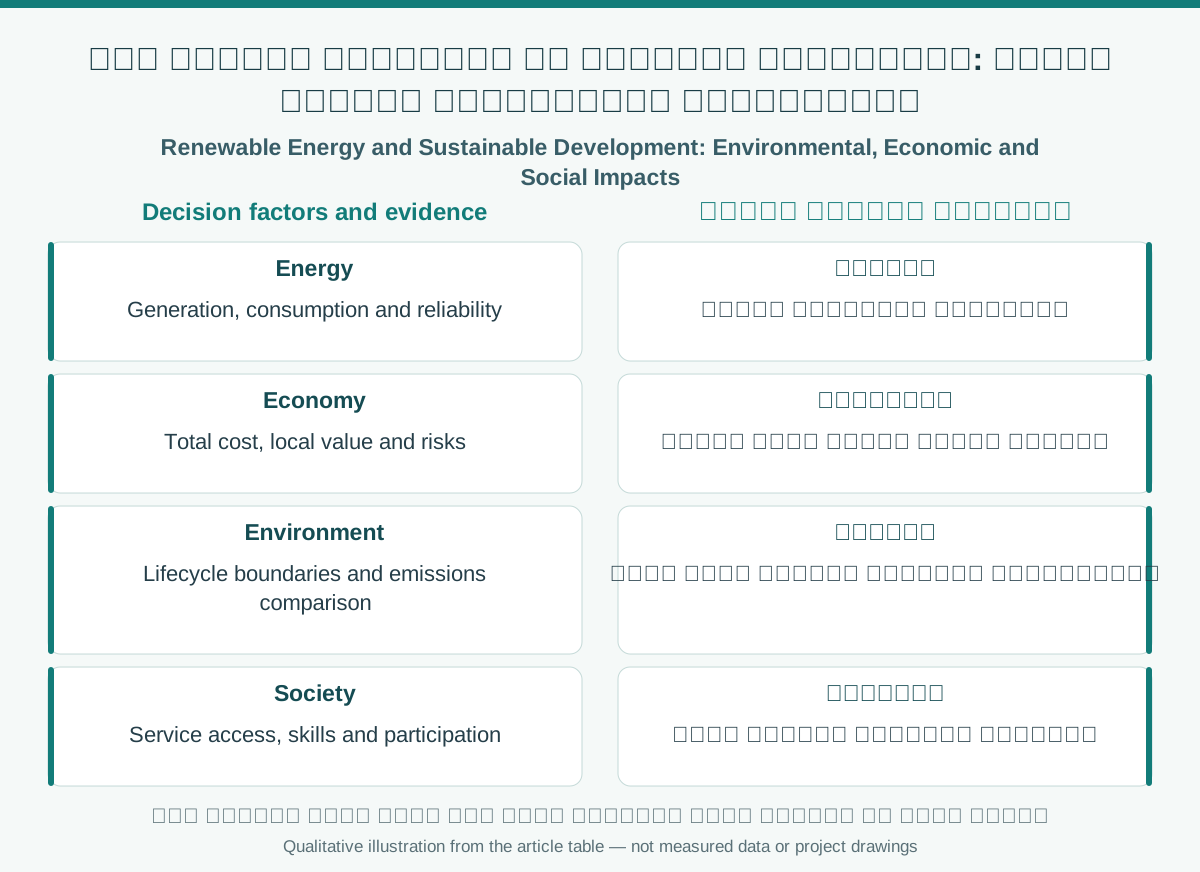
Comparison and verification table
| Factor | Evidence or action |
|---|---|
| Energy | Generation, consumption and reliability |
| Economy | Total cost, local value and risks |
| Environment | Lifecycle boundaries and emissions comparison |
| Society | Service access, skills and participation |
A visual reading of the article topic
- 01Sustainable development extends beyond electricity
- 02Economics and value chains
- 03Measure impact rather than slogans
- 04Comparison and verification table
Practical workflow
- 01 Define baseline
- 02 Compare demand reduction and generation
- 03 Assess economic and environmental impacts
- 04 Monitor documented outcomes
Conceptual editorial diagram; not measured data.
Sources and limitations
Editorial adaptation based on the original WordPress archive; original source retained separately. Historical employment figures, forecasts and statements from 2021 require original, current sources when used. The example is hypothetical, not a current Saudi sector estimate.
Topics and source excerpts
| Topic | Excerpt from article |
|---|---|
| Sustainable development extends beyond electricity | The article connects energy with economic and social development and protecting resources for future generations. |
| Economics and value chains | Projects may create opportunities in design, manufacturing, installation, operation and maintenance, but job numbers, durability and domestic value cannot… |
| Measure impact rather than slogans | Define a baseline, measurement period and assessment boundary, then compare generation, consumption and emissions consistently. |
| Practical workflow | 01 Define baseline |
| Sources and limitations | Editorial adaptation based on the original WordPress archive; original source retained separately. |
| References and limitations | Sustainable energy objectives span reliability, affordability and efficiency. |
Source excerpts organized for comparison, not newly researched findings.
References and limitations
Sustainable energy objectives span reliability, affordability and efficiency. A hypothetical fall from 100 to 80 MWh is a 20% consumption reduction, not a measured emissions reduction.
The following references support selected topics in the article.
- UN SDG 7 targets and indicators
- IPCC AR6 Synthesis Report, Summary for Policymakers (2023)
- EPA Sustainable Materials Management Basics