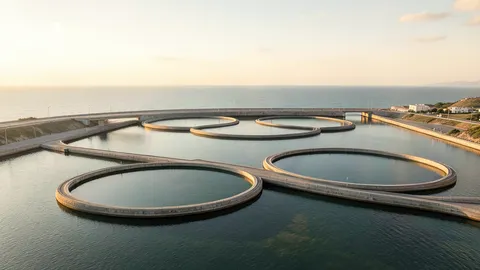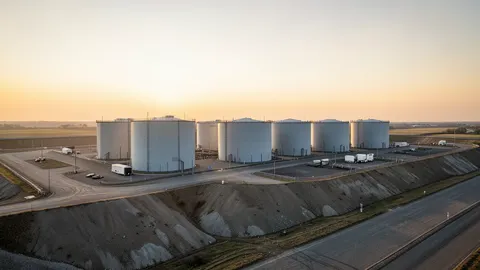
Identify water source and intended use
The article discusses water conservation through treatment and reuse. Household greywater differs from mixed sewage, and contaminants vary by source. Vehicle wash water may contain oils, detergents and other substances; do not assume direct irrigation suitability. Design starts by defining sources, quantities, end-use quality and applicable health and environmental requirements.
Treatment stages and their roles
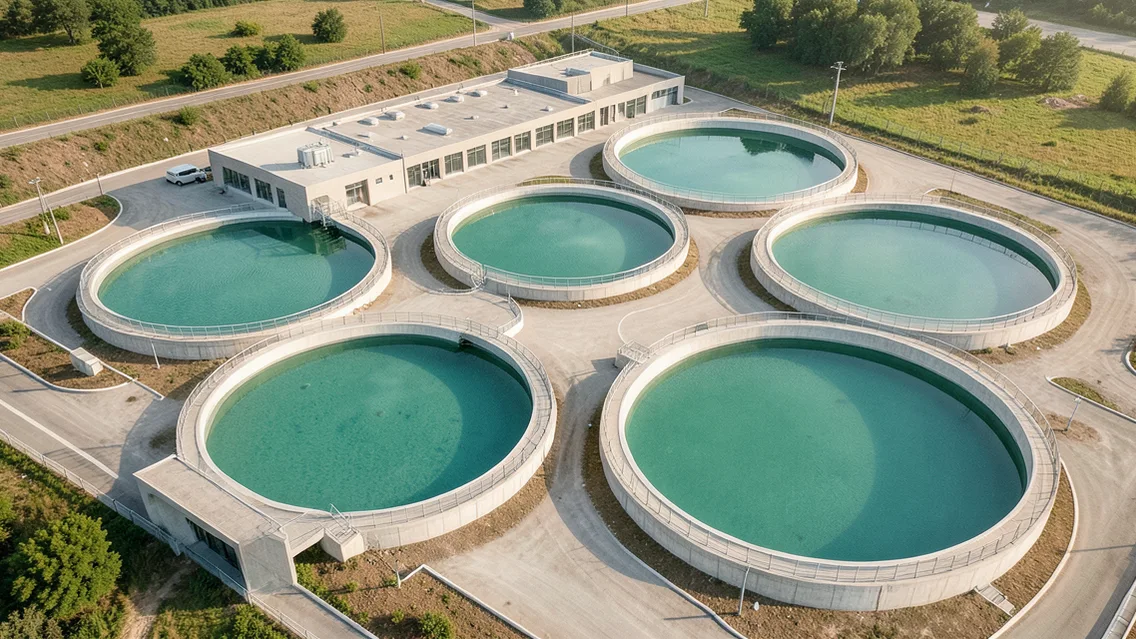
Wastewater systems may include screening, grit and solids removal, primary settling, biological treatment such as activated sludge, separation, disinfection or advanced treatment according to intended use. Some systems employ constructed wetlands. A general stage list does not prove removal of pathogens or chemicals. Sludge and residuals require management based on characteristics and regulations; marine discharge cannot be assumed permissible.
Reuse in buildings and cities
Treated water may serve specified purposes such as irrigation or certain nonpotable uses after quality and approval checks. Prevent cross-connections with drinking-water systems and define storage, distribution, monitoring and operations. Water is suitable for drinking only through an appropriately authorized system demonstrating compliance. Compare actual water savings with energy, cost, maintenance and downtime risks, involving water, health and engineering specialists.
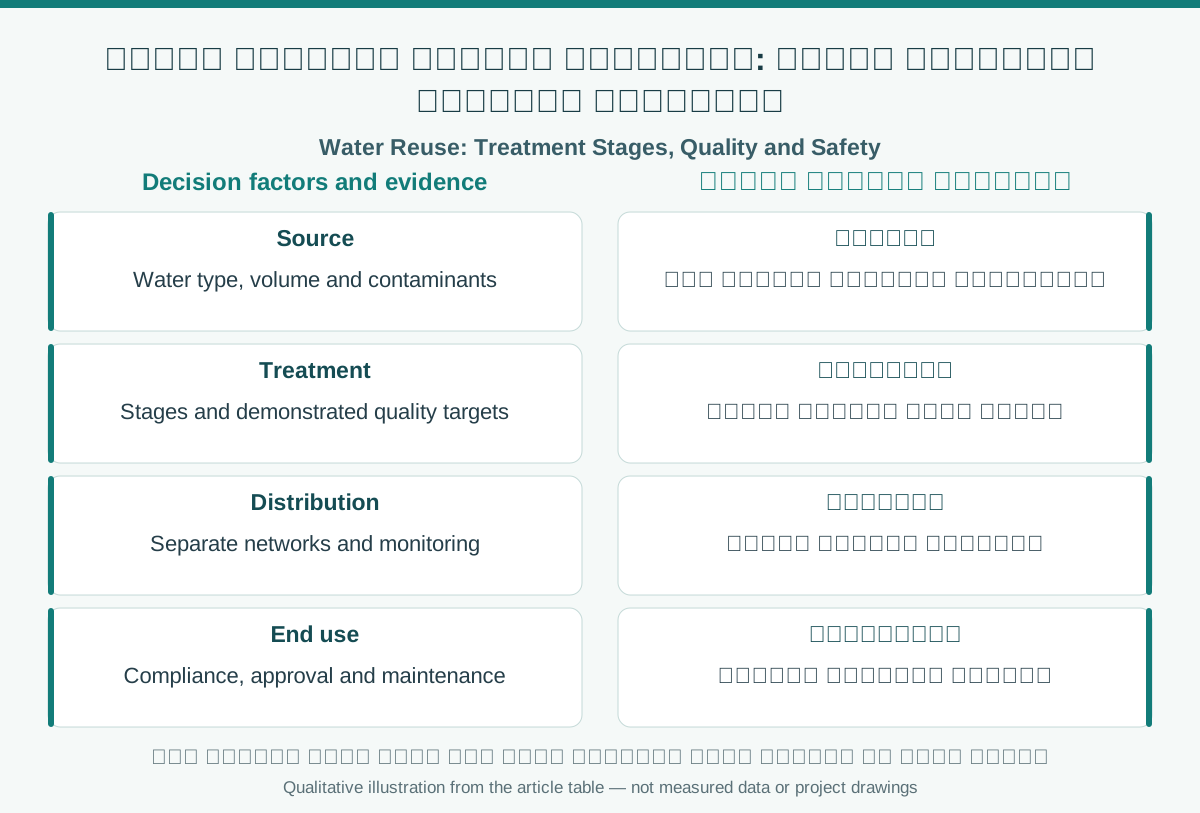
Comparison and verification table
| Factor | Evidence or action |
|---|---|
| Source | Water type, volume and contaminants |
| Treatment | Stages and demonstrated quality targets |
| Distribution | Separate networks and monitoring |
| End use | Compliance, approval and maintenance |
A visual reading of the article topic
- 01Identify water source and intended use
- 02Treatment stages and their roles
- 03Reuse in buildings and cities
- 04Comparison and verification table
Practical workflow
- 01 Identify water source
- 02 Define use and quality
- 03 Approve treatment and distribution
- 04 Verify through monitoring and testing
Conceptual editorial diagram; not measured data.
Sources and limitations
Editorial adaptation based on the original WordPress archive; original source retained separately. Historical vehicle washing, irrigation and discharge suggestions are preserved but not endorsed as health guidance. This is not a potable-water treatment recipe or plant design.
Topics and source excerpts
| Topic | Excerpt from article |
|---|---|
| Identify water source and intended use | The article discusses water conservation through treatment and reuse. |
| Treatment stages and their roles | Wastewater systems may include screening, grit and solids removal, primary settling, biological treatment such as activated sludge, separation, disinfectio… |
| Reuse in buildings and cities | Treated water may serve specified purposes such as irrigation or certain nonpotable uses after quality and approval checks. |
| Practical workflow | 01 Identify water source |
| Sources and limitations | Editorial adaptation based on the original WordPress archive; original source retained separately. |
| References and limitations | Required treatment depends on source, intended use and exposure; SBC 701 includes nonpotable systems. |
Source excerpts organized for comparison, not newly researched findings.
References and limitations
Required treatment depends on source, intended use and exposure; SBC 701 includes nonpotable systems. Verify separation, cross-connection prevention and use approvals.
The following references support selected topics in the article.
- EPA Basic Information about Water Reuse
- Saudi Plumbing Code SBC 701 (2024)
- MEWA National Transformation Program Initiatives