Needs before devices
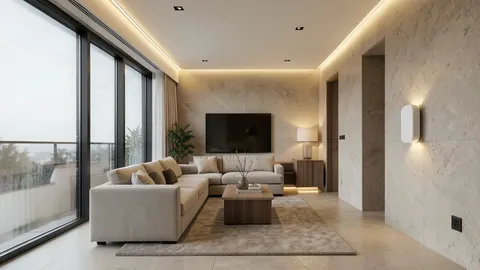
The article presents smart homes through sensors, applications and controllers. Define needed tasks such as lighting and temperature control, or alerts for door states or water leaks. Automation differs from remote control by executing rules linked to conditions, time or events. Not every device requires cloud access or personal data collection; choose for utility and usability.
Integration and scenario design
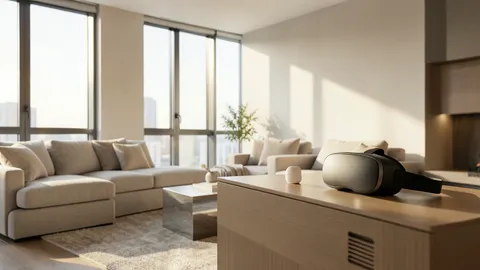
Coordinate electrical and network infrastructure, sensor and actuator locations with interior and mechanical design. Check device interoperability, integration documentation and product approvals; design rules avoiding conflicts among cooling, windows and blinds. Retain manual controls during network or system failure, and keep emergency exits, locks and life-safety systems compliant and independent of app availability.
Cybersecurity and evaluating value
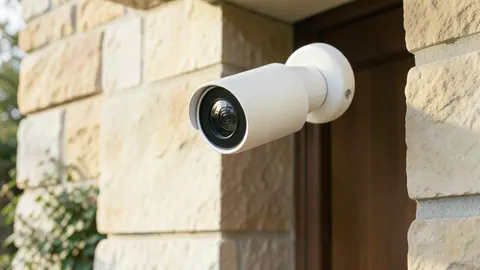
Use separate access permissions, secured accounts and updates, minimizing recordings and biometric data to justified lawful purposes. Do not assume automation contacts emergency services unless a verified authorized service supports it. Compare purchase, installation, subscriptions and maintenance with measured convenience or savings, considering support lifespan and replacement options. Test normal and failure scenarios before handover.
Comparison and verification table
| Factor | Evidence or action |
|---|---|
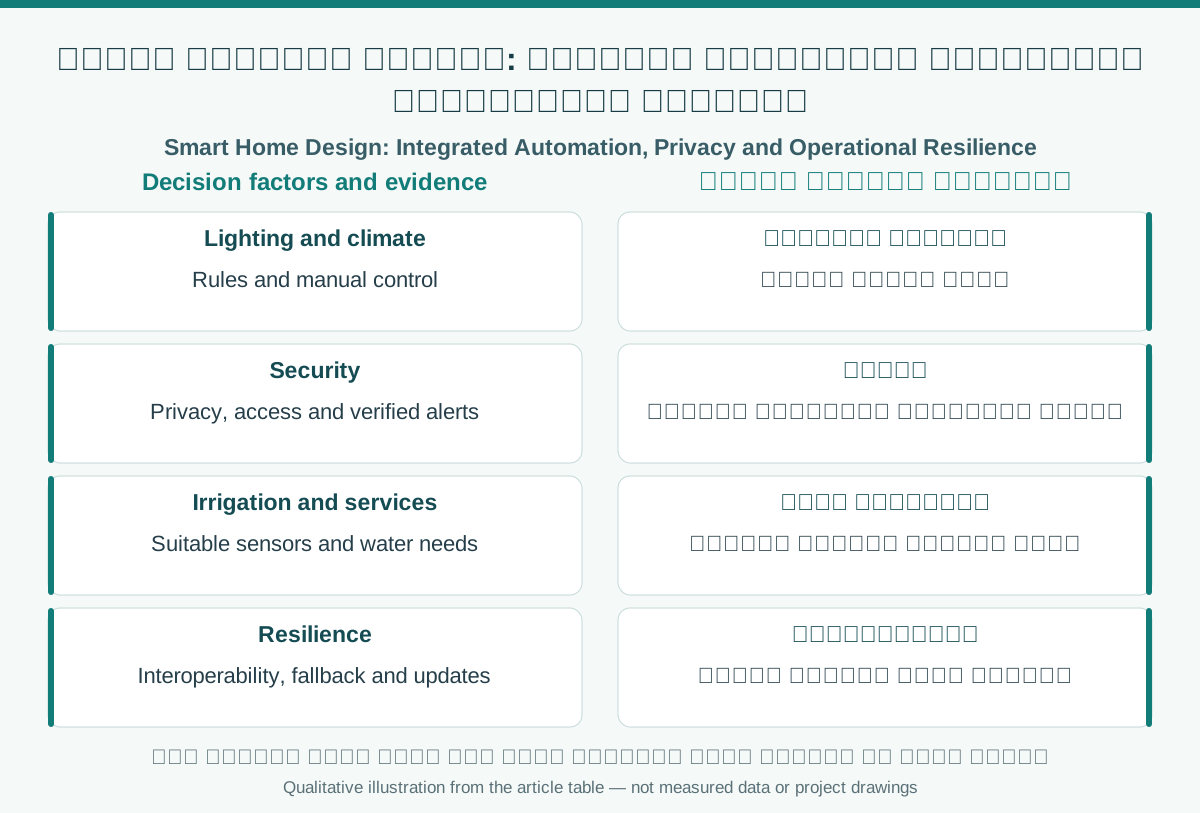
| Lighting and climate | Rules and manual control |
| Security | Privacy, access and verified alerts |
| Irrigation and services | Suitable sensors and water needs |
| Resilience | Interoperability, fallback and updates |
A visual reading of the article topic
- 01Needs before devices
- 02Integration and scenario design
- 03Cybersecurity and evaluating value
- 04Comparison and verification table
Practical workflow
- 01 Define scenarios
- 02 Review infrastructure and compatibility
- 03 Test security and failure
- 04 Measure value after operation
Conceptual editorial diagram; not measured data.
Sources and limitations
Editorial adaptation based on the original WordPress archive; original source retained separately. Smart-home origins, adoption figures and generation categories from 2021 require historical verification. Product features and emergency integration are not guaranteed; original videos remain preserved.
Topics and source excerpts
| Topic | Excerpt from article |
|---|---|
| Needs before devices | The article presents smart homes through sensors, applications and controllers. |
| Integration and scenario design | Coordinate electrical and network infrastructure, sensor and actuator locations with interior and mechanical design. |
| Cybersecurity and evaluating value | Use separate access permissions, secured accounts and updates, minimizing recordings and biometric data to justified lawful purposes. |
| Practical workflow | 01 Define scenarios |
| Sources and limitations | Editorial adaptation based on the original WordPress archive; original source retained separately. |
| References and limitations | Review cybersecurity across the smart-home system, including software updates, access management and disabling unused features. |
Source excerpts organized for comparison, not newly researched findings.
References and limitations
Review cybersecurity across the smart-home system, including software updates, access management and disabling unused features. Electrical safety and failure-mode operation remain separate design responsibilities.
The following references support selected topics in the article.
- NIST IR 8425 Consumer IoT Product Core Baseline (2022)
- FTC Securing Your Internet-Connected Devices at Home
- Saudi Electrical Code SBC 401 (2024)