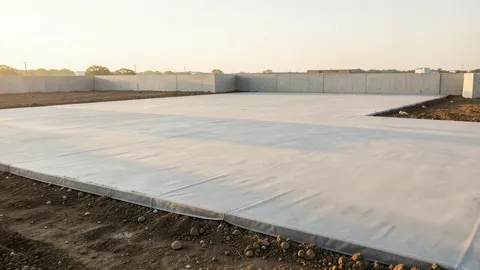
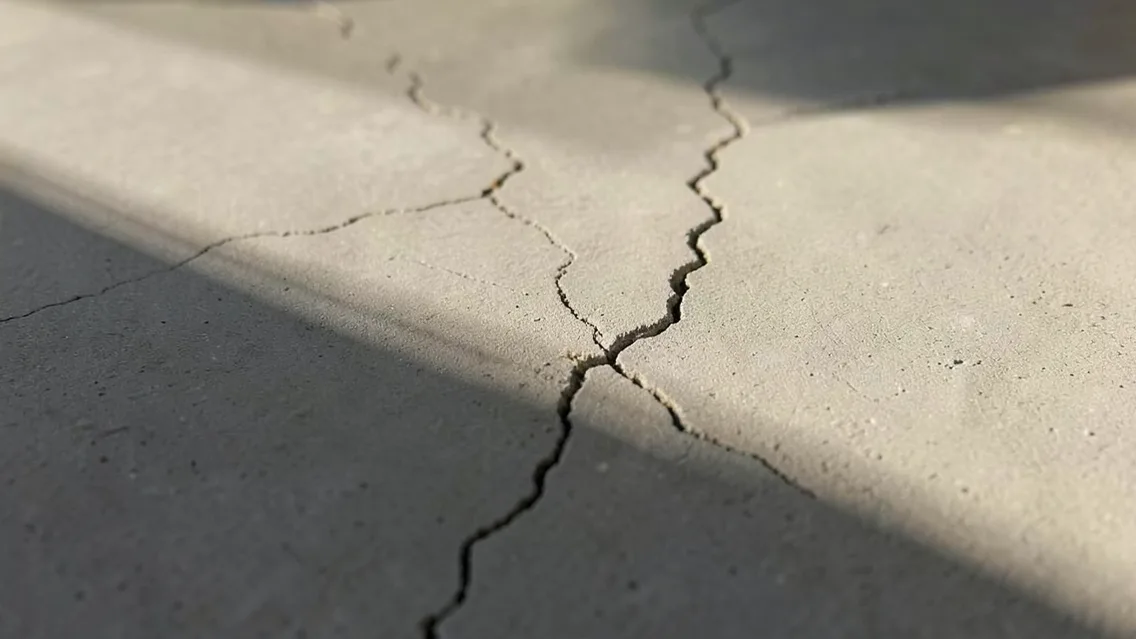
Cracking is a symptom, not a diagnosis
The source discusses post-casting slab cracks and possible durability and leakage effects. Cracking may result from plastic or drying shrinkage, temperature change, support movement, loading, or design and construction issues. Width alone cannot determine severity: record location, orientation, depth, timing, progression and adjacent element condition. Photographs alone cannot establish slab safety.
When is safety urgent?
If cracks widen rapidly, significant deflection, falling material, unusual sounds or signs of load-bearing damage appear, keep people away from the affected area and obtain urgent assessment by a qualified structural engineer; contact local emergency services if there is imminent danger. Do not remove formwork or supports, add loads, inject cracks or strengthen the slab based on general descriptions. The specialist determines testing and safe temporary support needs.
Selecting and validating repair
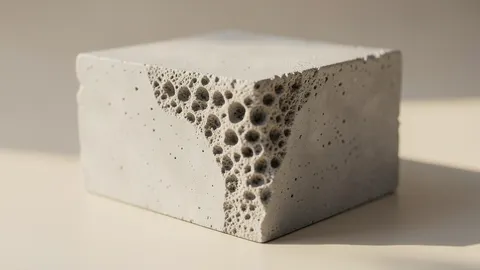
Following diagnosis, the engineer defines the objective: leakage control, continuity restoration, durability improvement or correction of a structural deficiency. Injection, sealing, waterproofing and strengthening methods differ in suitability according to crack movement, moisture, concrete, reinforcement and loads. The root cause may need correction first. Document the approved repair, inspection, testing and monitoring before lifting use restrictions.
Decision review table
| Factor | Evidence or action |
|---|---|
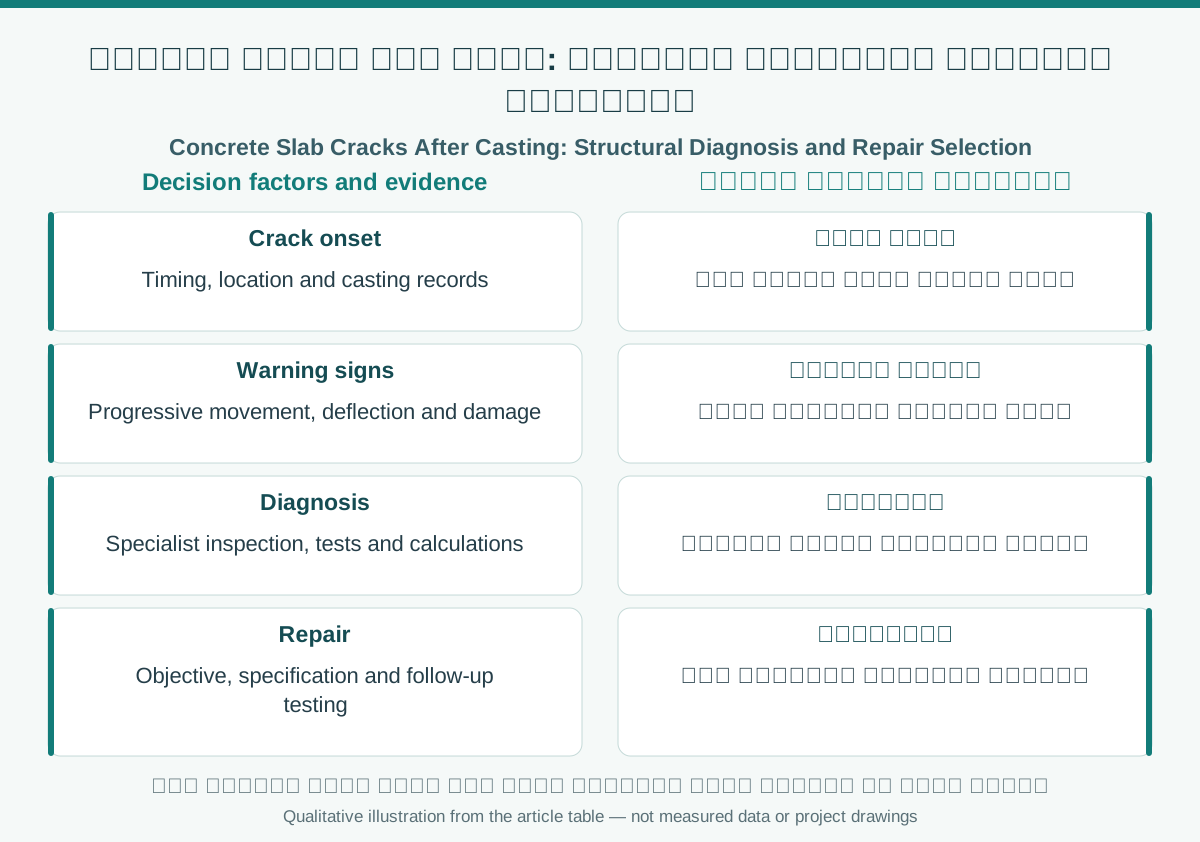
| Crack onset | Timing, location and casting records |
| Warning signs | Progressive movement, deflection and damage |
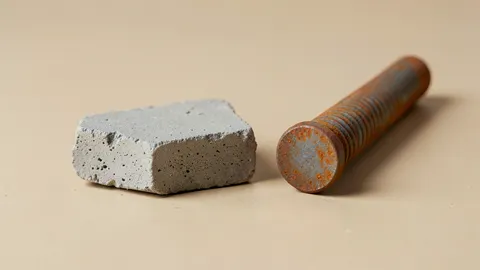
| Diagnosis | Specialist inspection, tests and calculations |
| Repair | Objective, specification and follow-up testing |
A visual reading of the article topic
- 01Cracking is a symptom, not a diagnosis
- 02When is safety urgent?
- 03Selecting and validating repair
- 04Decision review table
Practical workflow
- 01 Secure area if hazardous
- 02 Record conditions safely
- 03 Obtain structural diagnosis
- 04 Implement and verify approved repair
Conceptual editorial diagram; not measured data.
Sources and limitations
Editorial adaptation based on the original WordPress archive; original source retained separately. Original injection-effectiveness, savings and service-life percentages are unverified and not repeated as guarantees. This is general safety guidance, not a repair specification or structural approval.
Topics and source excerpts
| Topic | Excerpt from article |
|---|---|
| Cracking is a symptom, not a diagnosis | The source discusses post-casting slab cracks and possible durability and leakage effects. |
| When is safety urgent? | If cracks widen rapidly, significant deflection, falling material, unusual sounds or signs of load-bearing damage appear, keep people away from the affecte… |
| Selecting and validating repair | Following diagnosis, the engineer defines the objective: leakage control, continuity restoration, durability improvement or correction of a structural defi… |
| Practical workflow | 01 Secure area if hazardous |
| Sources and limitations | Editorial adaptation based on the original WordPress archive; original source retained separately. |
| References and limitations | ACI explains that cracking may be cosmetic or indicate significant distress; repair starts with condition and cause assessment. |
Source excerpts organized for comparison, not newly researched findings.
References and limitations
ACI explains that cracking may be cosmetic or indicate significant distress; repair starts with condition and cause assessment. Crack width or photographs alone do not establish slab safety.
The following references support selected topics in the article.
- ACI FAQ – Do we always need to repair cracked concrete?
- ACI FAQ – What steps are taken in the repair of concrete structures?
- ACI CODE-562-25 – Assessment, Repair, and Rehabilitation of Existing Concrete Structures
- OSHA 1926.703 – Requirements for cast-in-place concrete