Why curing starts early
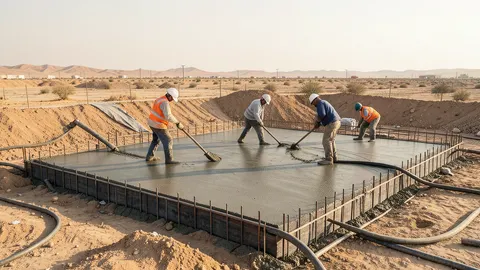
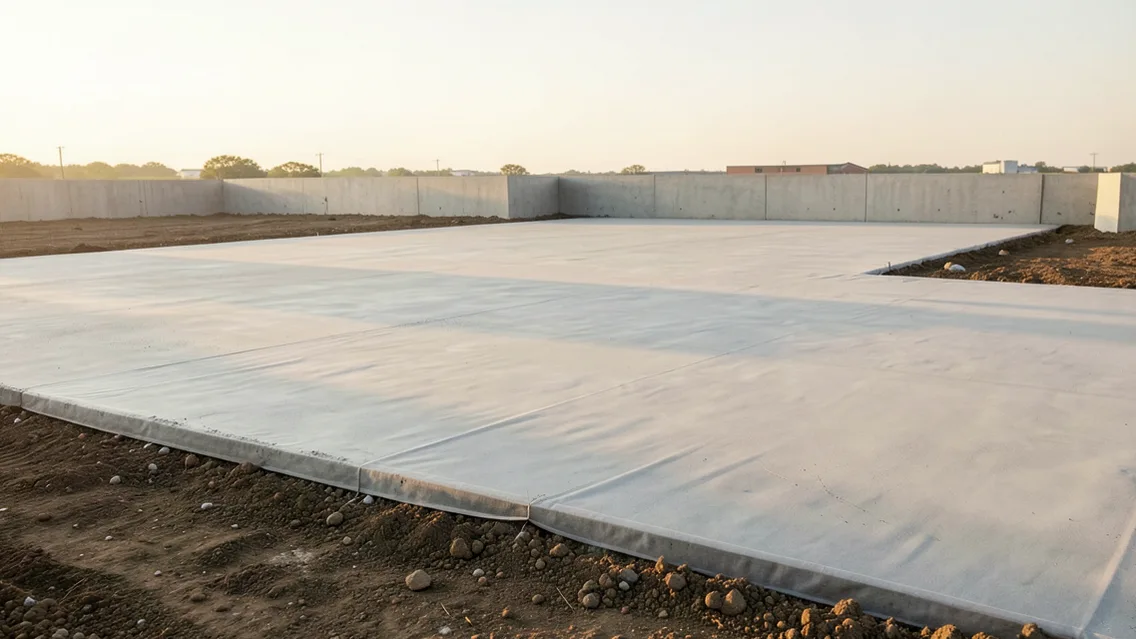
Curing maintains suitable moisture and temperature for hydration, strength development and durability. Control moisture loss during placement and finishing when conditions require it, then begin suitable surface curing as soon as the surface can tolerate it without damage. Risks vary with weather, mixture and member; do not wait for a fixed time when premature drying is possible.
Methods and selection
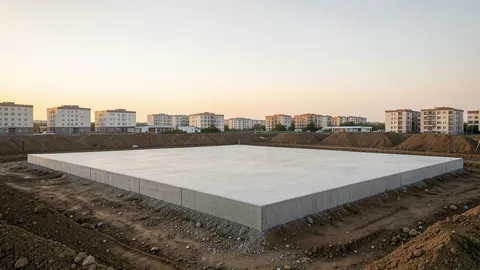
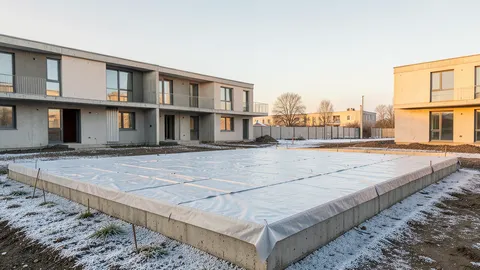
Methods include wet curing or moist covers, evaporation-limiting membranes and approved curing compounds. Consider continuity of moisture, water quality, temperature gradients and compatibility with later coatings, waterproofing or flooring. Steam curing is used in some precast operations under controlled, tested thermal cycles. Heat acceleration does not replace strength and durability verification, and uncontrolled temperature changes may harm concrete.
Duration, verification and existing concrete
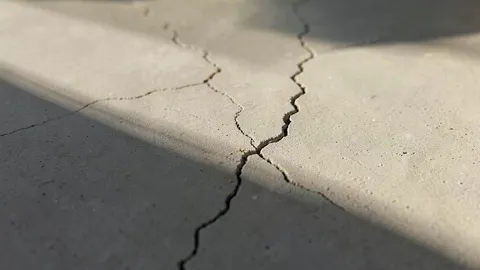
Curing duration depends on specifications, materials, environment, strength and exposure requirements rather than one universal number of days. Record start, method, continuity, conditions and test outcomes. Protecting fresh concrete differs from repairing older hardened concrete; cracks, damage or strength concerns require professional diagnosis and repair assessment. Changes in curing or formwork removal must not load members before requirements are met.
Comparison and verification table
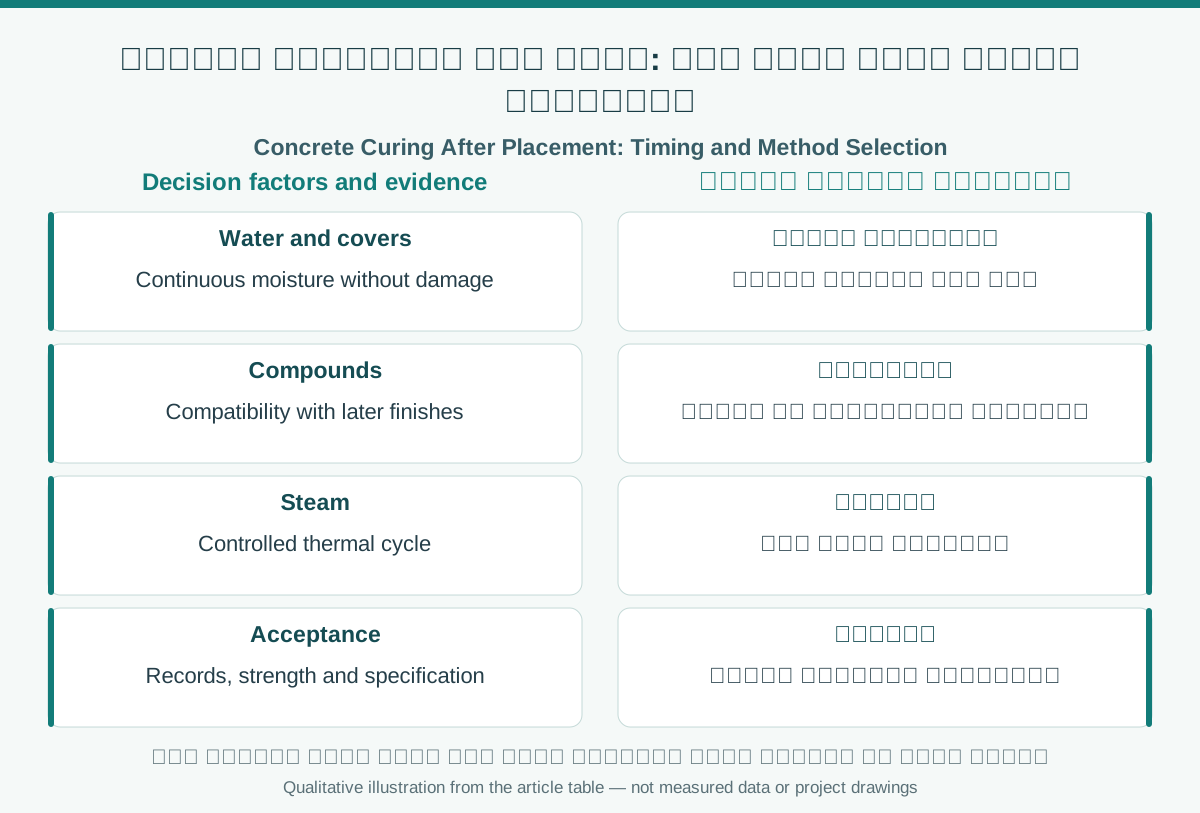
| Factor | Evidence or action |
|---|---|
| Water and covers | Continuous moisture without damage |
| Compounds | Compatibility with later finishes |
| Steam | Controlled thermal cycle |
| Acceptance | Records, strength and specification |
A visual reading of the article topic
- 01Why curing starts early
- 02Methods and selection
- 03Duration, verification and existing concrete
- 04Comparison and verification table
Practical workflow
- 01 Assess conditions and mixture
- 02 Select approved method
- 03 Monitor continuity
- 04 Review acceptance results
Conceptual editorial diagram; not measured data.
Sources and limitations
Editorial adaptation based on the original WordPress archive; original source retained separately. Historical water temperatures, curing durations and steam schedules require applicable code and project specification review; they are not universal limits.
Topics and source excerpts
| Topic | Excerpt from article |
|---|---|
| Why curing starts early | Curing maintains suitable moisture and temperature for hydration, strength development and durability. |
| Methods and selection | Methods include wet curing or moist covers, evaporation-limiting membranes and approved curing compounds. |
| Duration, verification and existing concrete | Curing duration depends on specifications, materials, environment, strength and exposure requirements rather than one universal number of days. |
| Practical workflow | 01 Assess conditions and mixture |
| Sources and limitations | Editorial adaptation based on the original WordPress archive; original source retained separately. |
| References and limitations | ACI technical references explain curing as maintenance of appropriate moisture and temperature, rather than watering for a fixed number of days. |
Source excerpts organized for comparison, not newly researched findings.
References and limitations
ACI technical references explain curing as maintenance of appropriate moisture and temperature, rather than watering for a fixed number of days. Methods include water supply and moisture retention, with controlled steam cycles in suitable applications.
The following references support selected topics in the article.
- ACI — What is curing?
- ACI — Methods to ensure adequate curing moisture
- ACI — When is steam curing used?
- ACI — Importance of curing on strength