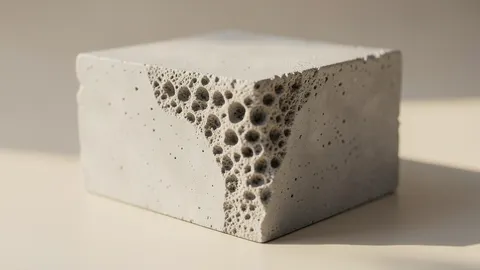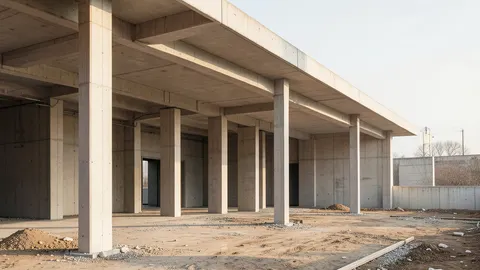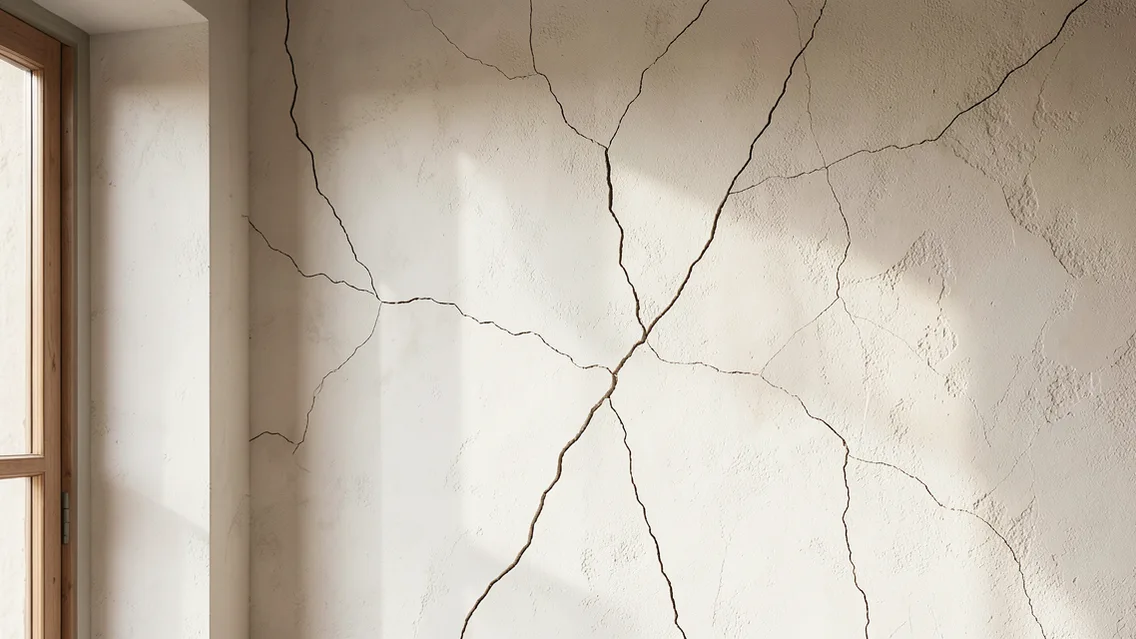
Crack patterns are clues, not diagnoses
Classify cracks by direction, width, location, depth, change over time and whether they occur in paint, plaster, masonry or structural members. Diagonal cracks may relate to differential movement or stress concentrations around openings; vertical cracks may involve shrinkage, temperature or connections; horizontal cracks may involve member movement, deflection, lateral pressure or other mechanisms. Similar patterns can have different causes, so direction or width alone cannot establish safety.
Documentation and triage
Photograph cracks with a suitable scale, date and plan location; record new movement, leakage, bulging or unusual difficulty opening doors and windows. Review construction history, alterations, loads, nearby excavation and moisture. Increasing deformation, falling material or cracks with evidence of load-bearing damage or instability require restricted access and urgent structural assessment; if collapse appears imminent, leave and contact appropriate authorities. Do not conceal potentially significant cracks before diagnosis.
Prevention and cause-based repair
Review movement joints, material compatibility, wall-to-frame interfaces, deflection, sequence, curing and temporary works. Mesh, joints or finish repairs may form part of a solution but do not automatically address foundation settlement or reinforcement damage. Qualified professionals determine monitoring, tests or ground investigation and choose repair according to cause and function. Verify that movement and moisture sources have been addressed before refinishing.
Comparison and verification table
| Factor | Evidence or action |
|---|---|
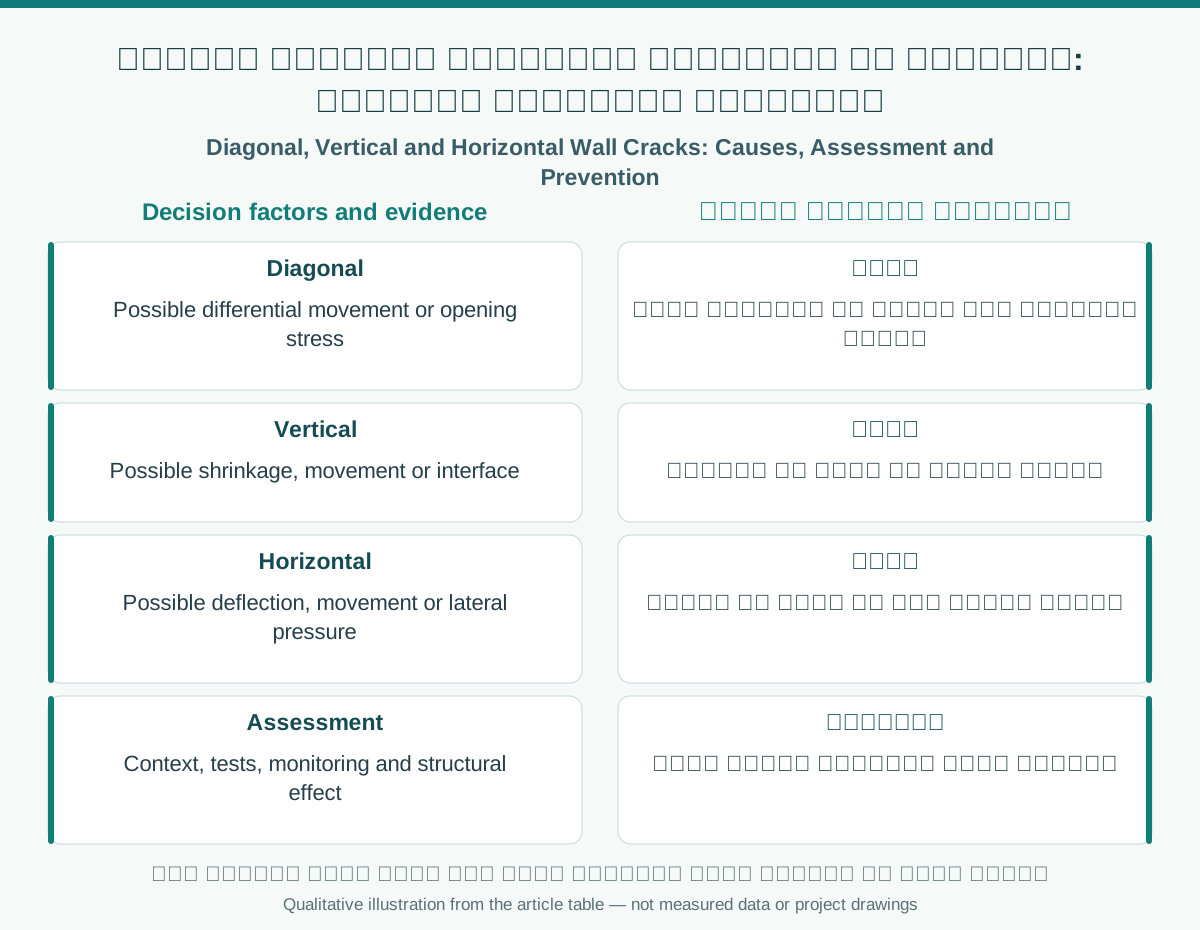
| Diagonal | Possible differential movement or opening stress |
| Vertical | Possible shrinkage, movement or interface |
| Horizontal | Possible deflection, movement or lateral pressure |
| Assessment | Context, tests, monitoring and structural effect |
A visual reading of the article topic
- 01Crack patterns are clues, not diagnoses
- 02Documentation and triage
- 03Prevention and cause-based repair
- 04Comparison and verification table
Practical workflow
- 01 Document crack and location
- 02 Assess warning signs
- 03 Obtain competent diagnosis
- 04 Address cause and monitor
Conceptual editorial diagram; not measured data.
Sources and limitations
Editorial adaptation based on the original WordPress archive; original source retained separately. Historical limited cause lists, groove dimensions and construction details are not adopted as universal diagnoses or repair instructions.
Topics and source excerpts
| Topic | Excerpt from article |
|---|---|
| Crack patterns are clues, not diagnoses | Classify cracks by direction, width, location, depth, change over time and whether they occur in paint, plaster, masonry or structural members. |
| Documentation and triage | Photograph cracks with a suitable scale, date and plan location; record new movement, leakage, bulging or unusual difficulty opening doors and windows. |
| Prevention and cause-based repair | Review movement joints, material compatibility, wall-to-frame interfaces, deflection, sequence, curing and temporary works. |
| Practical workflow | 01 Document crack and location |
| Sources and limitations | Editorial adaptation based on the original WordPress archive; original source retained separately. |
| References and limitations | ACI references emphasize multiple causes and consequences of concrete cracking and diagnosis before repair. |
Source excerpts organized for comparison, not newly researched findings.
References and limitations
ACI references emphasize multiple causes and consequences of concrete cracking and diagnosis before repair. Masonry and plaster cracks require material- and system-specific assessment; orientation alone does not establish safety.
The following references support selected topics in the article.
- ACI FAQ – Do we always need to repair cracked concrete?
- ACI FAQ – What steps are taken in the repair of concrete structures?
- ACI CODE-562-25 – Assessment, Repair, and Rehabilitation of Existing Concrete Structures
- ACI FAQ – Difference between a contraction joint, isolation joint, expansion joint, construction joint, and a cold joint