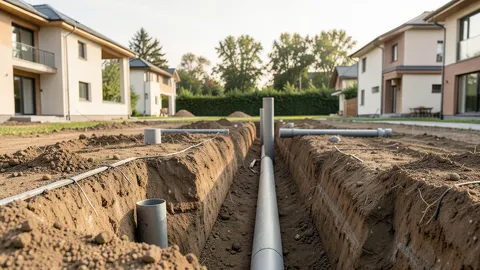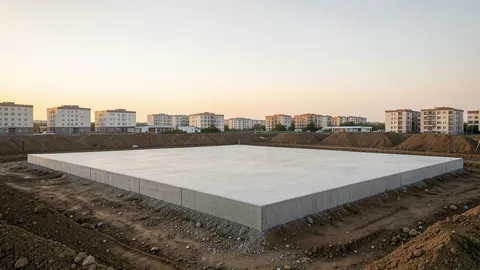
Define the task and site first
The original distinguishes excavation, hauling, backfilling, grading and roadworks. Review the geotechnical information, volume, excavation depth, material and moisture, working-platform capacity, access width, gradients, haul distance and existing utilities. Rain or changing strata may alter suitability. Soil type alone cannot determine machine suitability or platform stability.
Match the machine to its function
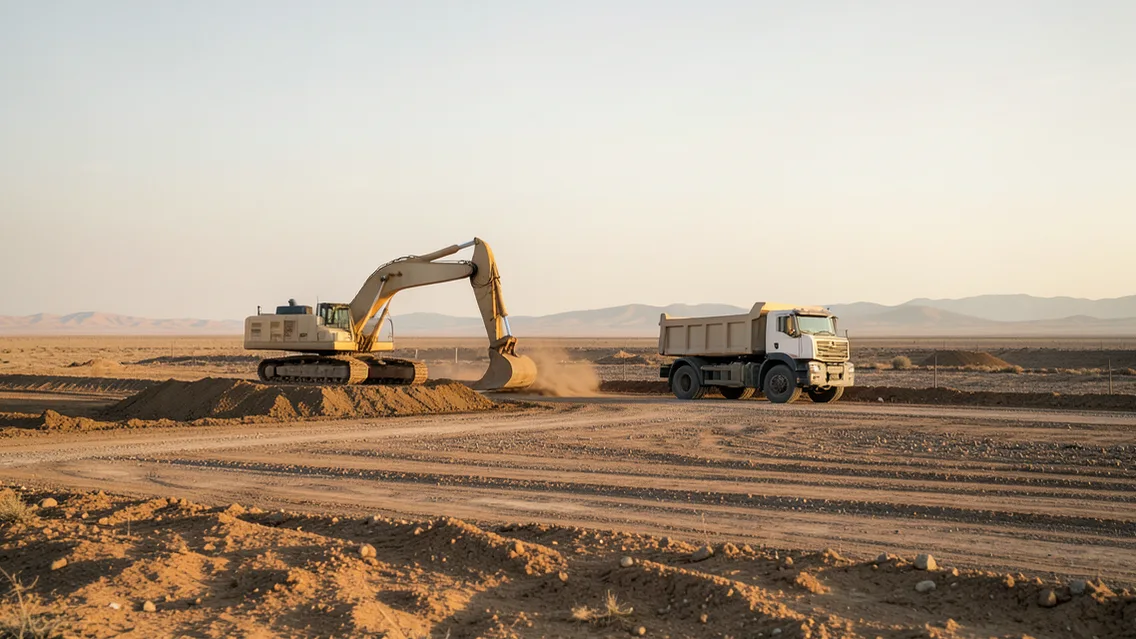
Excavators extract and load material using suitable attachments; loaders handle and load material over short distances; bulldozers push and rough-grade; graders refine levels; compactors densify layers according to material and specification. Tracks may suit some unpaved conditions, while wheels aid mobility on appropriate surfaces; both are limited by manufacturer requirements and stability conditions. Scrapers can combine cutting, hauling and spreading where terrain and haul distance permit. Rock excavation or piling requires specialized equipment and planning.
Productivity, safety and cost
Estimate production from effective payload and excavation, loading, haul, dumping and return cycle times, allowing for downtime and equipment coordination. Compare hire or ownership, fuel, maintenance, operator and mobilization costs rather than purchase price alone. Before excavation, competent personnel approve utility checks, collapse protection, equipment movement, pedestrian separation and operating limits. Optimal haul distances or permissible depths cannot be inferred from machine names; use equipment specifications and project plans.
Comparison and verification table
| Factor | Evidence or action |
|---|---|
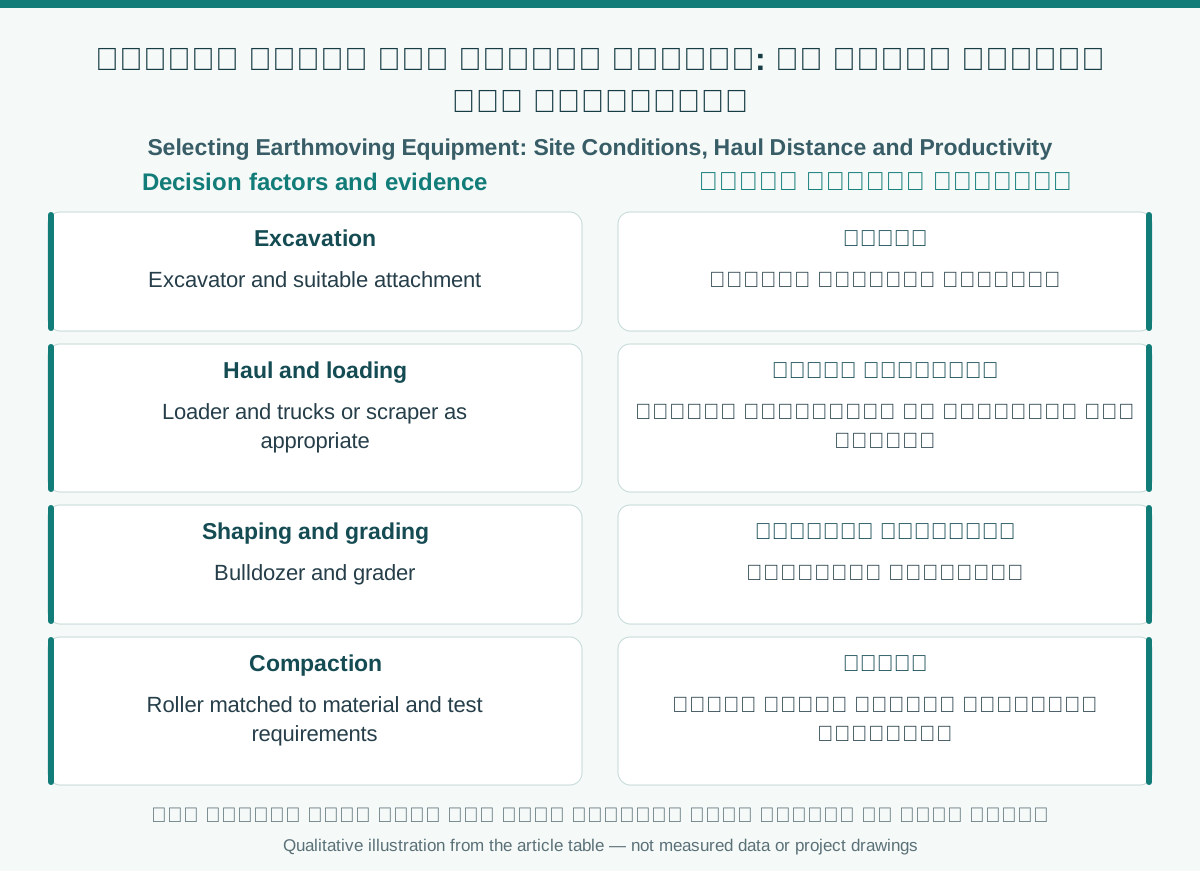
| Excavation | Excavator and suitable attachment |
| Haul and loading | Loader and trucks or scraper as appropriate |
| Shaping and grading | Bulldozer and grader |
| Compaction | Roller matched to material and test requirements |
A visual reading of the article topic
- 01Define the task and site first
- 02Match the machine to its function
- 03Productivity, safety and cost
- 04Comparison and verification table
Practical workflow
- 01 Define task and ground
- 02 Assess access and haul distance
- 03 Compare productivity, cost and safety
- 04 Approve equipment and monitor performance
Conceptual editorial diagram; not measured data.
Sources and limitations
Editorial adaptation based on the original WordPress archive; original source retained separately. Haul distances, excavation depths and all-terrain claims in the 2021 source are not universal approved limits. This article does not replace excavation planning, stability assessment or equipment operating instructions.
Topics and source excerpts
| Topic | Excerpt from article |
|---|---|
| Define the task and site first | The original distinguishes excavation, hauling, backfilling, grading and roadworks. |
| Match the machine to its function | Excavators extract and load material using suitable attachments; loaders handle and load material over short distances; bulldozers push and rough-grade; gr… |
| Productivity, safety and cost | Estimate production from effective payload and excavation, loading, haul, dumping and return cycle times, allowing for downtime and equipment coordination. |
| Practical workflow | 01 Define task and ground |
| Sources and limitations | Editorial adaptation based on the original WordPress archive; original source retained separately. |
| References and limitations | Occupational safety guidance highlights soil, buried utilities, equipment and adjacent structures before excavation. |
Source excerpts organized for comparison, not newly researched findings.
References and limitations
Occupational safety guidance highlights soil, buried utilities, equipment and adjacent structures before excavation. The US source is a technical comparator only; apply relevant local safety requirements.
The following references support selected topics in the article.
- OSHA eTool – Trenching and Excavation
- Saudi Code for Structural Design Loads, Seismic, and Wind SBC 301 (2024)