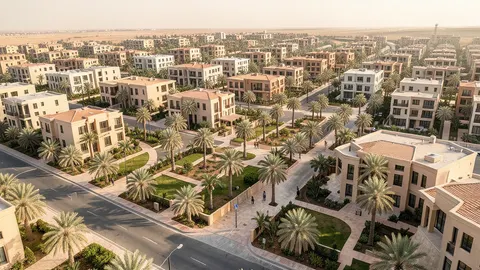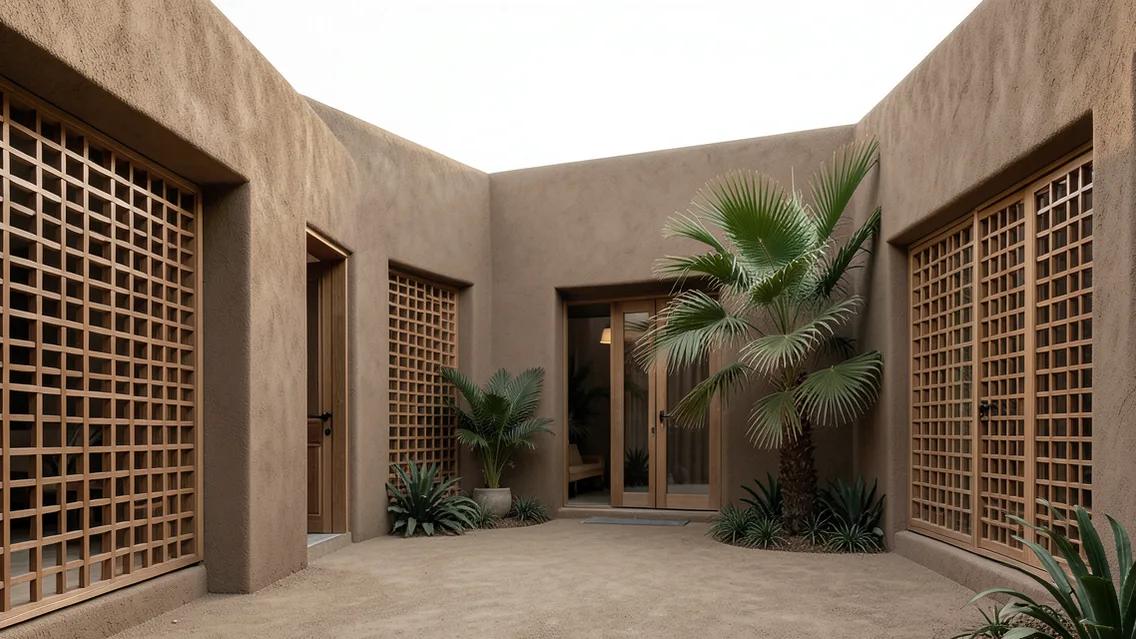
Identity as knowledge
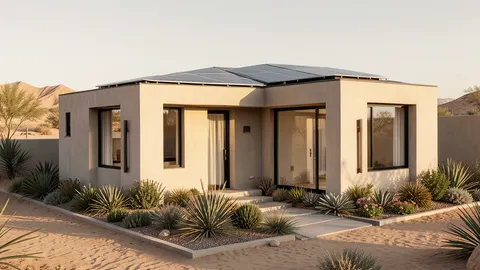
The author advocates learning from traditions and preserving landmarks. Study courtyards, shading, materials and privacy in social and climatic context rather than copying historical forms without understanding function. Involve residents, craftspeople and specialists in briefing.
Testing climate response
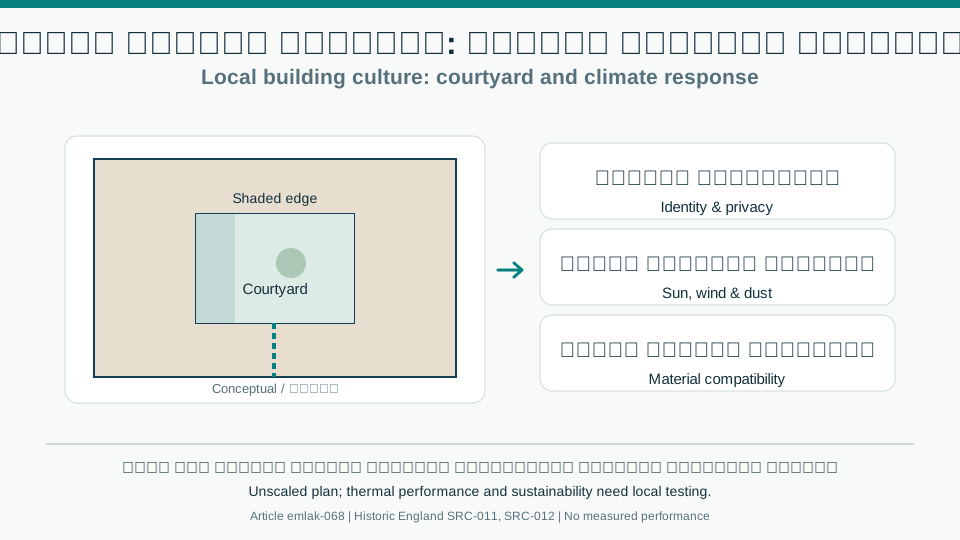
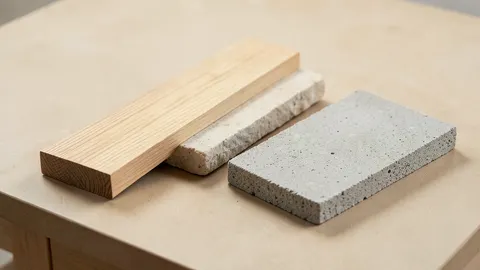
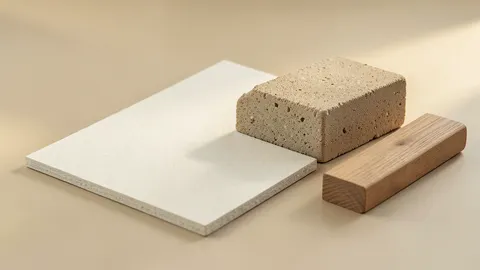
Compare thermal, ventilation, daylight and water requirements locally. A shaded courtyard may offer a comfortable transition, but solar exposure, wind, dust and privacy need testing. Local materials are not always lower-carbon; assess transport, processing, durability and maintenance.
Innovation and measurement
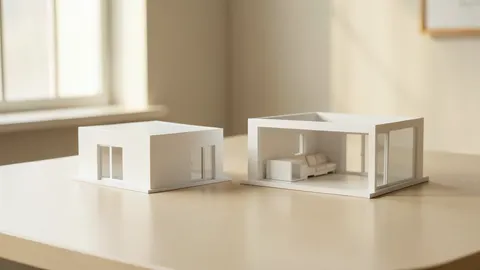
Model heritage-informed alternatives and check safety and access. Restoration requires condition, significance and applicable approvals. Measure comfort, resource use and resident feedback after occupation, integrating identity into performance rather than appearance alone.
Decision review table
| Factor | Evidence |
|---|---|
| Identity | Routines and privacy |
| Climate | Sun, wind and heat |
| Materials | Durability and life cycle |
| Verification | Modeling and measurement |
A visual reading of the article topic
- 01Identity as knowledge
- 02Testing climate response
- 03Innovation and measurement
- 04Decision review table
Practical workflow
- Document heritage
- Define climate needs
- Test options
- Measure results
Sources and limitations
Topics and source excerpts
| Topic | Excerpt from article |
|---|---|
| Identity as knowledge | The author advocates learning from traditions and preserving landmarks. |
| Testing climate response | Compare thermal, ventilation, daylight and water requirements locally. |
| Innovation and measurement | Model heritage-informed alternatives and check safety and access. |
| Practical workflow | Document heritage |
| Sources and limitations | Editorial expansion of the author's Emlak contribution; previous text retained. |
Source excerpts organized for comparison, not newly researched findings.
Editorial expansion of the author's Emlak contribution; previous text retained. Qualitative framework; quantitative claims require specialist testing.
- Historic England: Building Materials for Historic Buildings — Compatibility with existing fabric, physical properties, durability and maintenance; not evidence of local climatic performance.
- Historic England: Principles of Repair for Historic Buildings — Diagnosis, retaining significant fabric, compatibility and documentation; not proof of specific building performance or authorization.