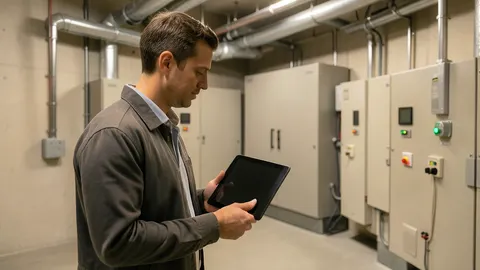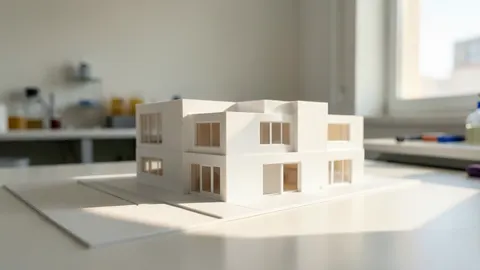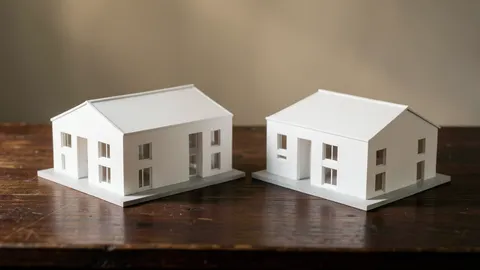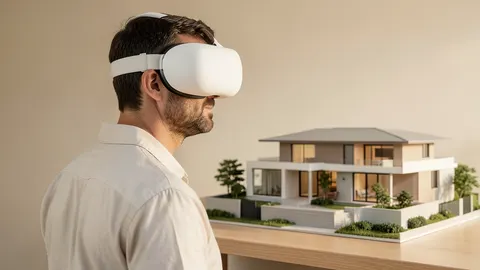
From digital design to fabrication
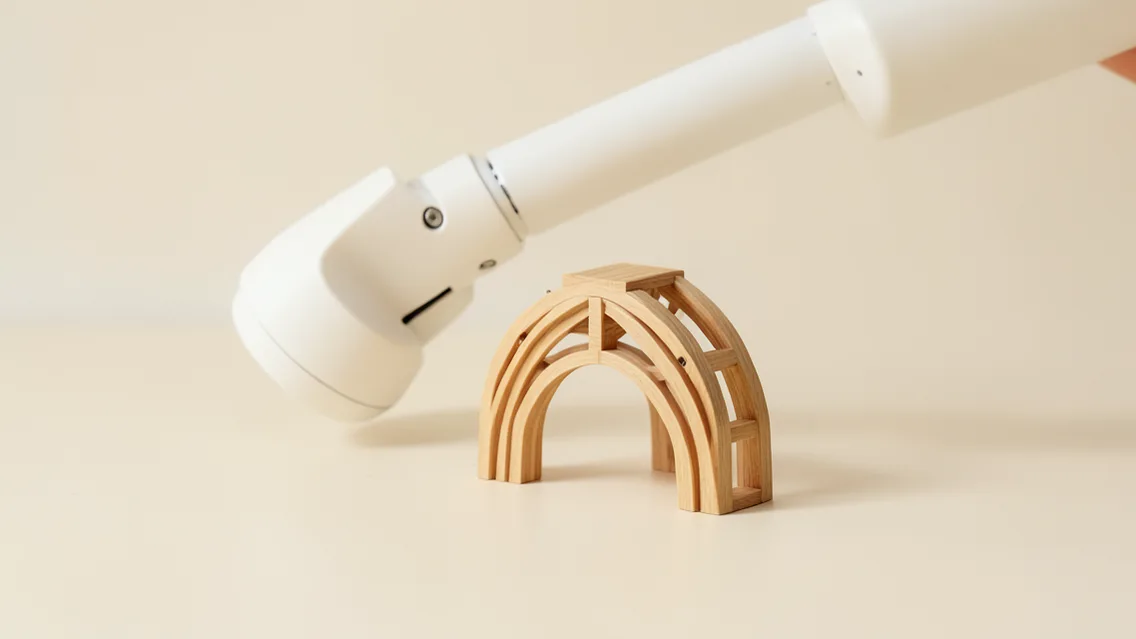
The article anticipates collaboration between architects and robots in modeling, fabrication and construction. A geometric model differs from robot motion instructions; conversion must account for equipment, tools, materials and tolerances. Automation may improve repeatability or enable complex forms, but accuracy depends on calibration, setup and data quality. Robots do not guarantee error-free design.
Testing materials and applications
Potential applications include component fabrication, prototyping, 3D printing and site inspection. Each needs material, manufacturability, connection and performance assessment, followed by prototype testing. Measurement tools may detect model-to-site discrepancies, but changing component dimensions or structural solutions requires human authorization under defined responsibilities. Machines must not automatically alter approved designs without controls.
Safety, value and team skills
Robot operations require specialist-defined work zones, hazards, human interaction, stopping and maintenance plans. Compare programming, setup, execution, inspection, waste and cost with a documented conventional baseline. Start with a bounded measurable task and retain a fallback. Architects develop computational thinking, fabrication knowledge and communication with engineers and operators without exceeding their roles.
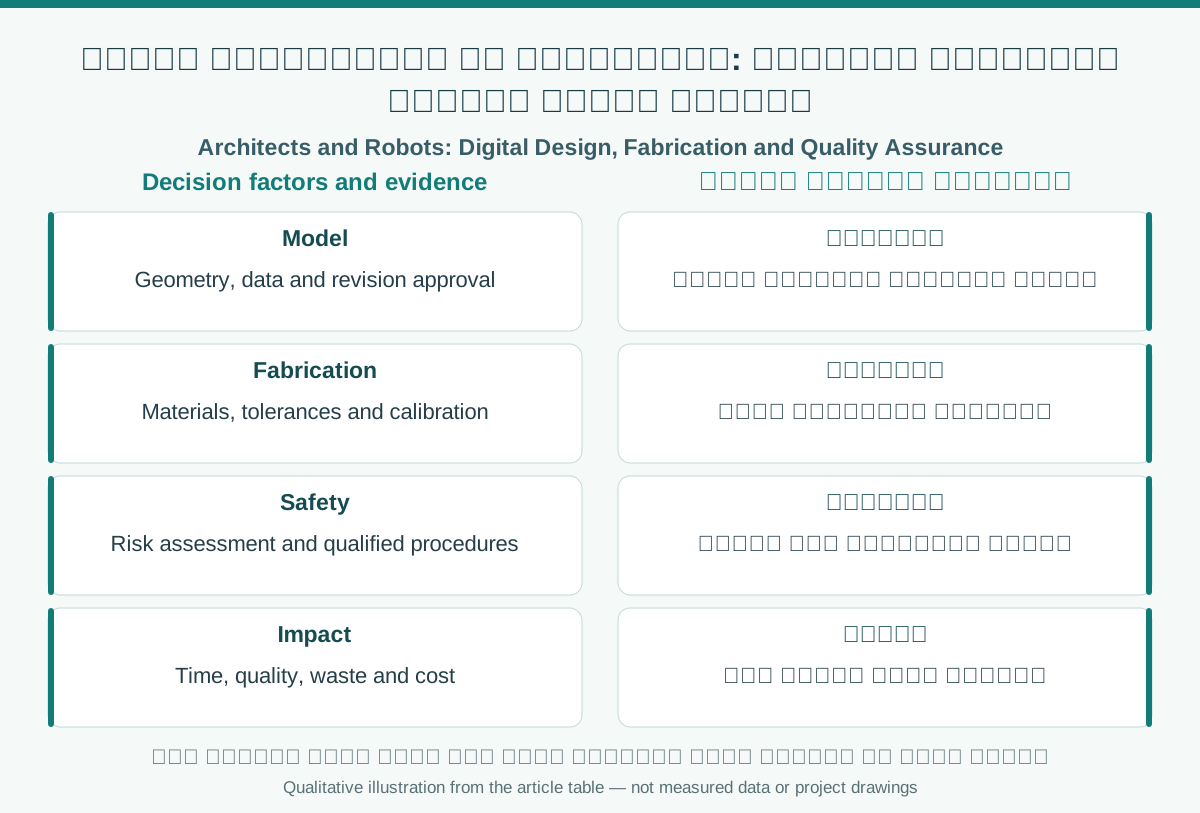
Comparison and verification table
| Factor | Evidence or action |
|---|---|
| Model | Geometry, data and revision approval |
| Fabrication | Materials, tolerances and calibration |
| Safety | Risk assessment and qualified procedures |
| Impact | Time, quality, waste and cost |
A visual reading of the article topic
- 01From digital design to fabrication
- 02Testing materials and applications
- 03Safety, value and team skills
- 04Comparison and verification table
Practical workflow
- 01 Define suitable automation task
- 02 Test prototype and calibration
- 03 Approve operation and inspection
- 04 Measure value before scaling
Conceptual editorial diagram; not measured data.
Sources and limitations
Editorial adaptation based on the original WordPress archive; original source retained separately. 2021 forecasts about robotic adoption, fabrication speed and eliminating errors are not verified outcomes. No robot program or operating safety procedure is provided.
Topics and source excerpts
| Topic | Excerpt from article |
|---|---|
| From digital design to fabrication | The article anticipates collaboration between architects and robots in modeling, fabrication and construction. |
| Testing materials and applications | Potential applications include component fabrication, prototyping, 3D printing and site inspection. |
| Safety, value and team skills | Robot operations require specialist-defined work zones, hazards, human interaction, stopping and maintenance plans. |
| Practical workflow | 01 Define suitable automation task |
| Sources and limitations | Editorial adaptation based on the original WordPress archive; original source retained separately. |
| References and limitations | Robot applications require task-specific risk assessment, safeguards, training and maintenance; digital model accuracy does not guarantee fabrication accur… |
Source excerpts organized for comparison, not newly researched findings.
References and limitations
Robot applications require task-specific risk assessment, safeguards, training and maintenance; digital model accuracy does not guarantee fabrication accuracy. US guidance is comparative only.
The following references support selected topics in the article.
- OSHA Technical Manual, industrial robot systems
- OSHA Robotics Overview
- buildingSMART — IFC