A historical technology outlook
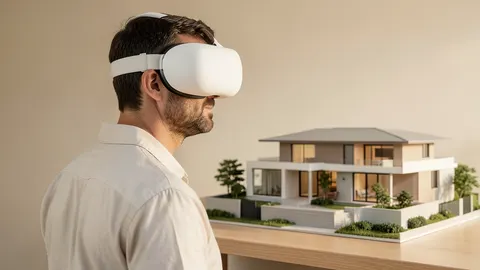
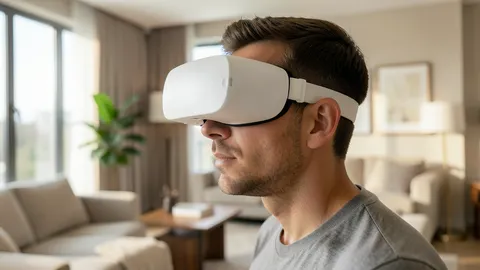
The 2020 article anticipated virtual and augmented reality in architecture and emphasized workforce skills. Immersive models let clients explore spaces at near-real scale and compare alternatives before construction. Visual impressions alone do not establish thermal or acoustic comfort or accessibility for all groups. Define the design question before preparing an experience.
Simulation is not engineering proof
Virtual environments can explore circulation, evacuation and lighting scenarios, including potential trip hazards and user journeys. Structural resistance to wind and disasters requires specialized engineering models and independent analysis; VR can communicate results rather than prove safety through visualization alone. Tie the model to a specific drawing revision and document assumptions.
Site and skills
BIM, site scanning and authorized drone imagery can inform digital reviews. Set model accuracy and site-alignment criteria and retain required physical inspections. Train teams in experience preparation, feedback management and participant privacy, measuring issue-resolution time against the previous workflow.
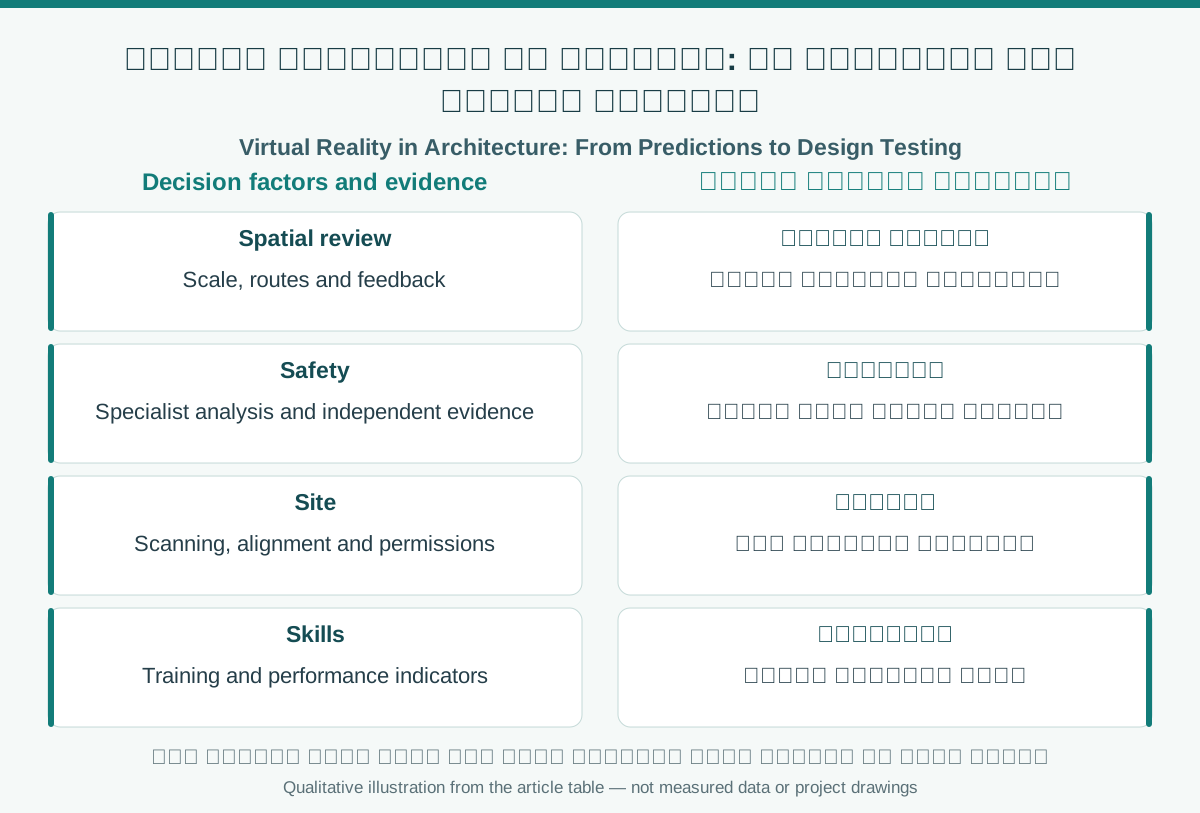
Decision review table
| Factor | Evidence or action |
|---|---|
| Spatial review | Scale, routes and feedback |
| Safety | Specialist analysis and independent evidence |
| Site | Scanning, alignment and permissions |
| Skills | Training and performance indicators |
A visual reading of the article topic
- 01A historical technology outlook
- 02Simulation is not engineering proof
- 03Site and skills
- 04Decision review table
Practical workflow
- 01 Define design question
- 02 Prepare documented model
- 03 Test with users
- 04 Review findings technically
Conceptual editorial diagram; not measured data.
Sources and limitations
Editorial adaptation based on the original WordPress archive; original source retained separately. Device, engine and version names and 2019 forecasts in the source are historical; verify vendor documentation before current recommendations. The original video remains preserved.
Topics and source excerpts
| Topic | Excerpt from article |
|---|---|
| A historical technology outlook | The 2020 article anticipated virtual and augmented reality in architecture and emphasized workforce skills. |
| Simulation is not engineering proof | Virtual environments can explore circulation, evacuation and lighting scenarios, including potential trip hazards and user journeys. |
| Site and skills | BIM, site scanning and authorized drone imagery can inform digital reviews. |
| Practical workflow | 01 Define design question |
| Sources and limitations | Editorial adaptation based on the original WordPress archive; original source retained separately. |
| References and limitations | Professional training documents model walkthroughs and issue tracking. |
Source excerpts organized for comparison, not newly researched findings.
References and limitations
Professional training documents model walkthroughs and issue tracking. Check model scale and site data provenance; visualization does not prove wind resistance or egress safety.
The following references support selected topics in the article.
- Autodesk University — Conduct an Immersive Design Review in Virtual Reality (2024)
- USGS Lidar Base Specification glossary, 2025 rev A
- buildingSMART — IFC