An interdisciplinary profession
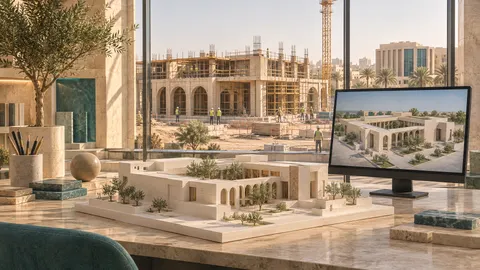
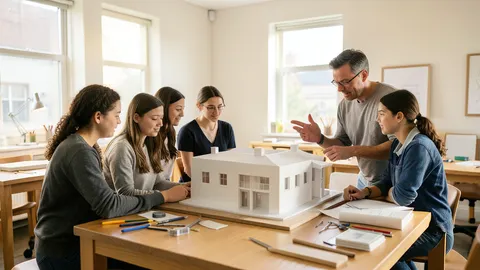
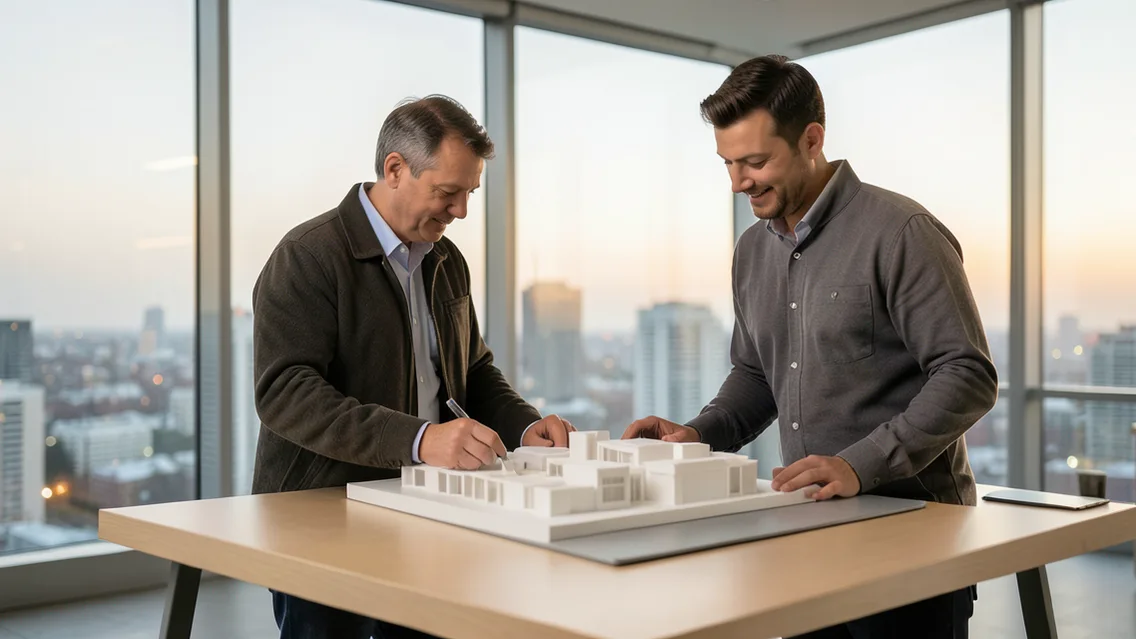
The article relates architecture’s future to collaboration with environmental, systems, engineering and data specialists. Such collaboration can help teams understand energy, resources, comfort and operability when performance criteria, responsibilities and sources are agreed. A solution is not sustainable simply because it uses modern software.
Data to understand cities
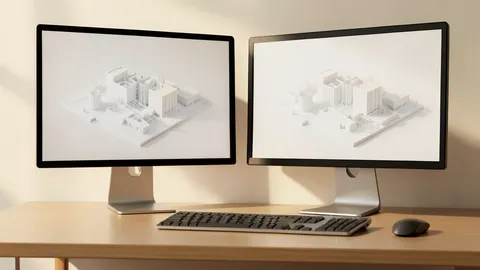
Mobility, energy and service data may help understand urban use and identify gaps, but quality depends on coverage, definitions and privacy. Distinguish observations, models and forecasts, checking results against field visits and community feedback. Technology is a means of understanding problems, not a replacement for human-centered design and planning.
Immersive architecture and skill development
Virtual reality can present a three-dimensional model at realistic scale and help clients evaluate circulation and spaces. Perceived comfort in a simulation does not prove actual performance; teams need specialist simulation, inspection and review. Education should cover model preparation, output evaluation, communication and ethical reasoning rather than mastery of one application.
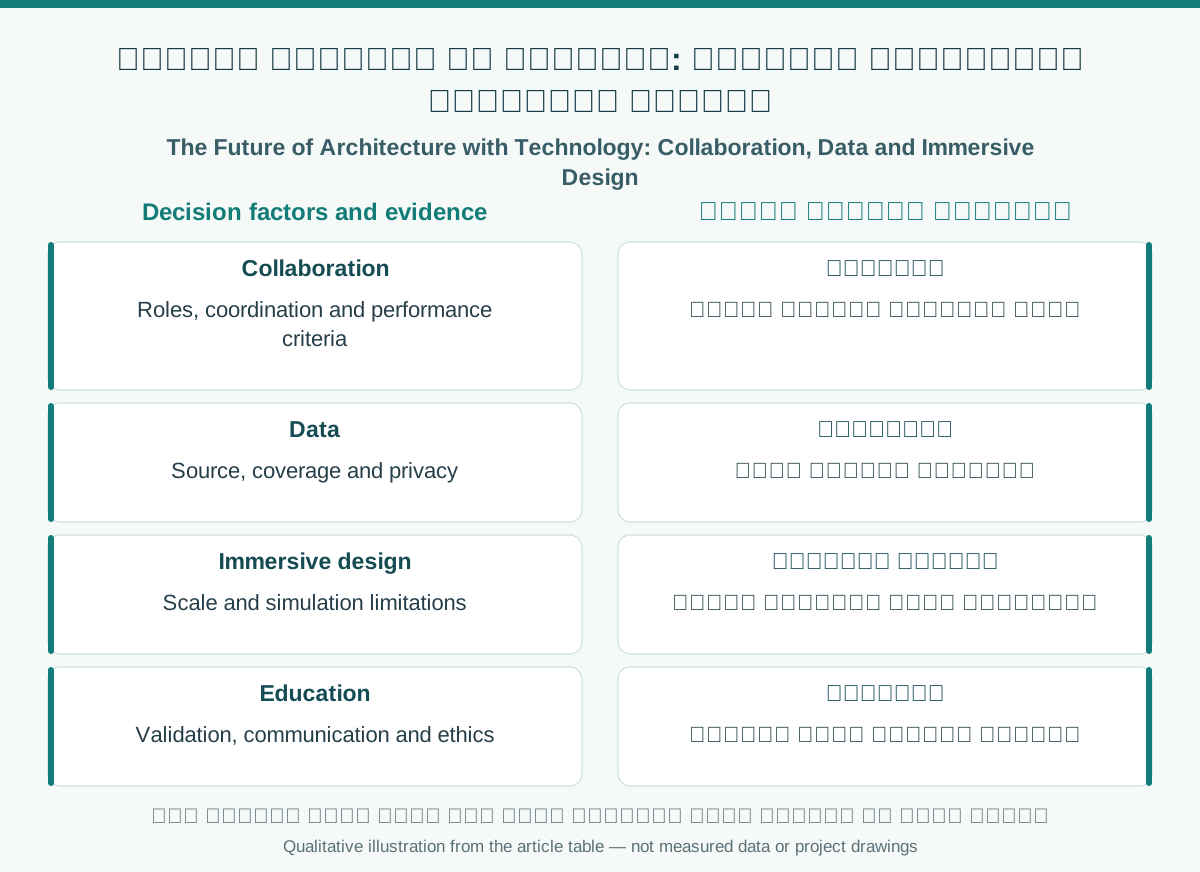
Decision review table
| Factor | Evidence or action |
|---|---|
| Collaboration | Roles, coordination and performance criteria |
| Data | Source, coverage and privacy |
| Immersive design | Scale and simulation limitations |
| Education | Validation, communication and ethics |
A visual reading of the article topic
- 01An interdisciplinary profession
- 02Data to understand cities
- 03Immersive architecture and skill development
- 04Decision review table
Practical workflow
- 01 Define the design problem
- 02 Integrate disciplines
- 03 Test models
- 04 Review real performance
Conceptual editorial diagram; not measured data.
Sources and limitations
Editorial adaptation based on the original WordPress archive; original source retained separately. This is a historical prospective article, not a confirmed adoption timeline or prediction for every profession; specific capabilities and examples require documentation.
Topics and source excerpts
| Topic | Excerpt from article |
|---|---|
| An interdisciplinary profession | The article relates architecture’s future to collaboration with environmental, systems, engineering and data specialists. |
| Data to understand cities | Mobility, energy and service data may help understand urban use and identify gaps, but quality depends on coverage, definitions and privacy. |
| Immersive architecture and skill development | Virtual reality can present a three-dimensional model at realistic scale and help clients evaluate circulation and spaces. |
| Practical workflow | 01 Define the design problem |
| Sources and limitations | Editorial adaptation based on the original WordPress archive; original source retained separately. |
| References and limitations | Teams can exchange information via open standards and discuss space using immersive review; assess risks and data provenance before relying on results. |
Source excerpts organized for comparison, not newly researched findings.
References and limitations
Teams can exchange information via open standards and discuss space using immersive review; assess risks and data provenance before relying on results. These capabilities establish neither building performance nor career forecasts.
The following references support selected topics in the article.
- buildingSMART — openBIM
- Autodesk University — Conduct an Immersive Design Review in Virtual Reality (2024)
- NIST AI RMF