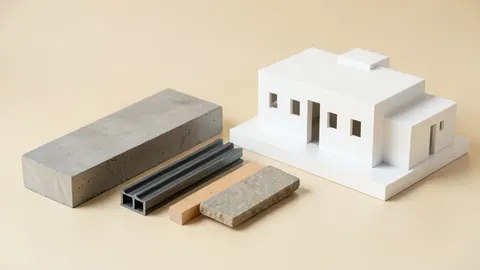
Damage sensing materials
The source describes research into conductive coatings whose electrical behavior may change with damage or altered conduction paths. Some monitoring methods can identify areas for further inspection, but temperature, moisture, adhesion, measurement geometry and calibration affect signals. An electrical change alone does not prove structural cracking or safety; combine data with inspection, engineering analysis and false-alarm assessment.
Carbon fibers and energy-converting materials
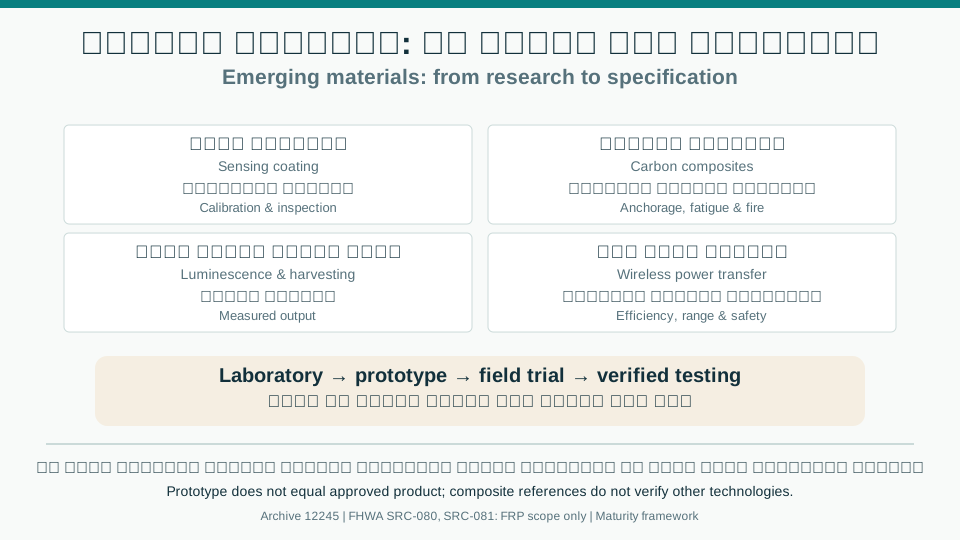
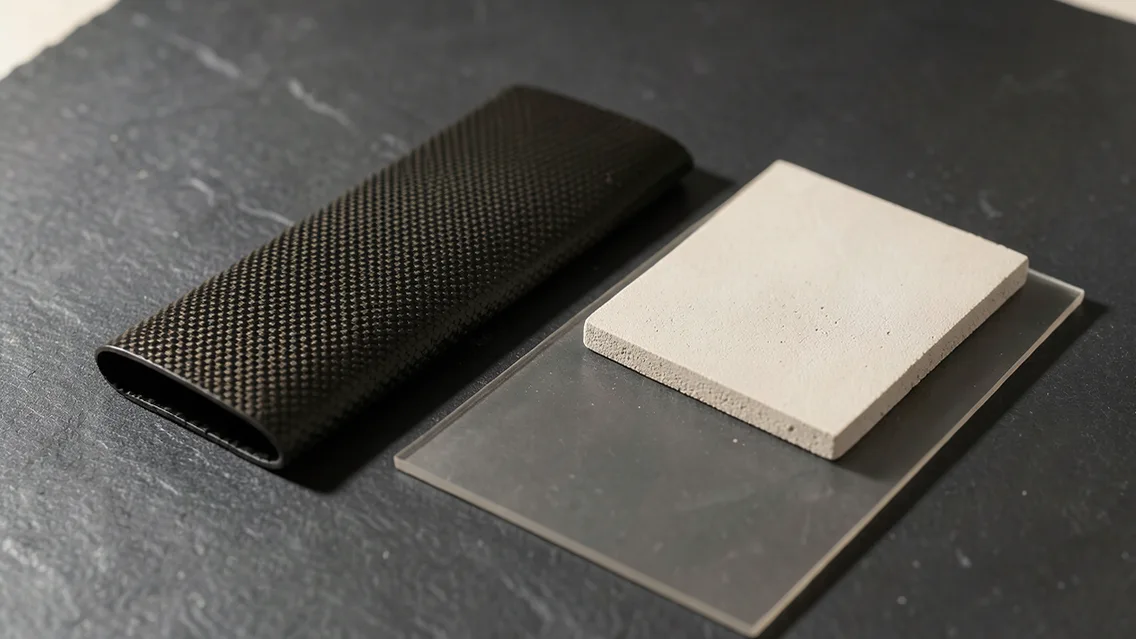
Carbon-fiber composites can offer high strength-to-weight ratios for certain applications, but cable or element performance depends on design, matrix, anchorage, fatigue, fire and exposure. Their behavior and connections differ from steel, so substitution requires verification. The source also considers mechanically stimulated luminescence and wind-motion harvesting; distinguish laboratory light emission from useful, measured building-scale energy production.
Power transfer and research-to-specification transition
The source considers ultrasonic wireless power transfer and possible integration into interior elements such as wallpaper. Efficiency, range, exposure, safety and compatibility need assessment before commercial adoption. Establish maturity for every innovation: laboratory research, prototype, field trial or a product with appropriate verified testing. Review maintenance, cost, environmental impact, support and independent performance evidence before specification.
Comparison and verification table
| Factor | Evidence or action |
|---|---|
| Sensing coating | Calibration, accuracy and inspection |
| Carbon composites | Anchorage, fatigue and fire |
| Luminescent materials | Measurable output and operating conditions |
| Power transfer | Efficiency, range, safety and maturity |
A visual reading of the article topic
- 01Damage sensing materials
- 02Carbon fibers and energy-converting materials
- 03Power transfer and research-to-specification transition
- 04Comparison and verification table
Practical workflow
- 01 Define engineering need
- 02 Check technology maturity
- 03 Request independent tests and evidence
- 04 Specify after comparing alternatives
Conceptual editorial diagram; not measured data.
Topics and source excerpts
| Topic | Excerpt from article |
|---|---|
| Damage sensing materials | The source describes research into conductive coatings whose electrical behavior may change with damage or altered conduction paths. |
| Carbon fibers and energy-converting materials | Carbon-fiber composites can offer high strength-to-weight ratios for certain applications, but cable or element performance depends on design, matrix, anch… |
| Power transfer and research-to-specification transition | The source considers ultrasonic wireless power transfer and possible integration into interior elements such as wallpaper. |
| Practical workflow | 01 Define engineering need |
| Sources and limitations | Editorial adaptation based on the original WordPress archive; original source retained separately. |
Source excerpts organized for comparison, not newly researched findings.
Sources and limitations
Editorial adaptation based on the original WordPress archive; original source retained separately. Historical research, company references and projected performance require primary-source verification; no research prototype is presented as a currently approved product.
- FHWA: Fiber-Reinforced Polymer Materials — High strength, low weight and potentially limiting elastic modulus; properties depend on fiber and product, not blanket approval.
- FHWA: Composite Materials in Bridges — Examples of FRP strengthening and bridge components; not project-specific capacity or evidence of sensing or energy-harvesting performance.