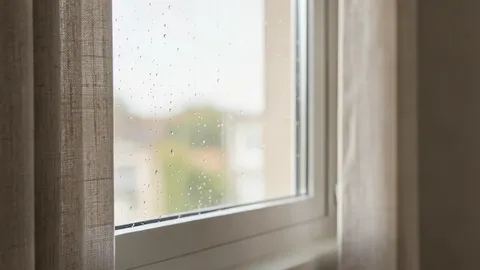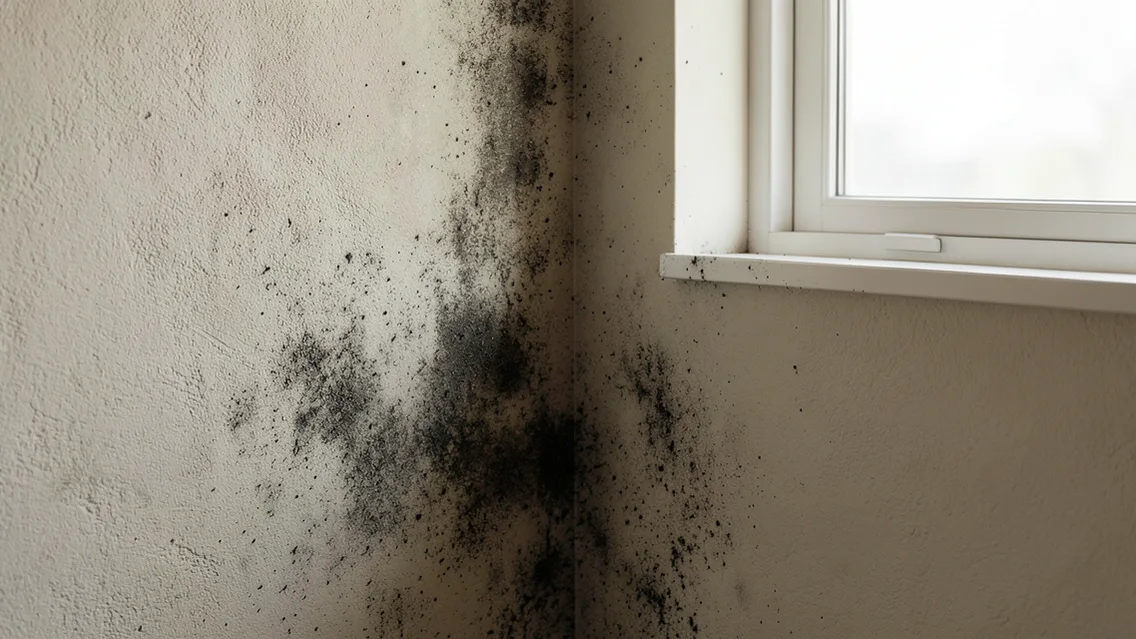
Odor is a signal requiring investigation
The article addresses musty odors and dampness. Persistent odor may indicate wet materials or hidden microbial growth, but does not identify type or damage extent alone. Review links with rainfall, bathrooms, plumbing, HVAC and areas behind furniture, seeking assessment for suspected hidden or extensive damage. Do not mask odor with fragrances or coatings before identifying the cause.
Moisture-source repair and mold handling
Remediation begins with leak repair or improved humidity control and ventilation suited to climate. Specialists determine whether porous materials require removal or can be cleaned according to condition and contamination extent. Never mix bleach with vinegar, acids, ammonia or other cleaners, and do not use historical chemical-mixture recipes. Avoid directing air from contaminated areas into the rest of the home. Extensive, recurring, sewage-related or HVAC-associated contamination needs specialist assessment.
Verification and prevention
Monitor substrate drying and recurrence of odor or damage, reviewing ventilation, insulation, drainage and maintenance across operating conditions. Salt color changes or disappearance of smells do not reliably establish building dryness. Consult a healthcare professional for persistent symptoms, and obtain urgent appropriate assessment if moisture reaches electrical equipment or structural damage appears. Do not refinish until substrate suitability and dryness are verified.
Comparison and verification table
| Factor | Evidence or action |
|---|---|
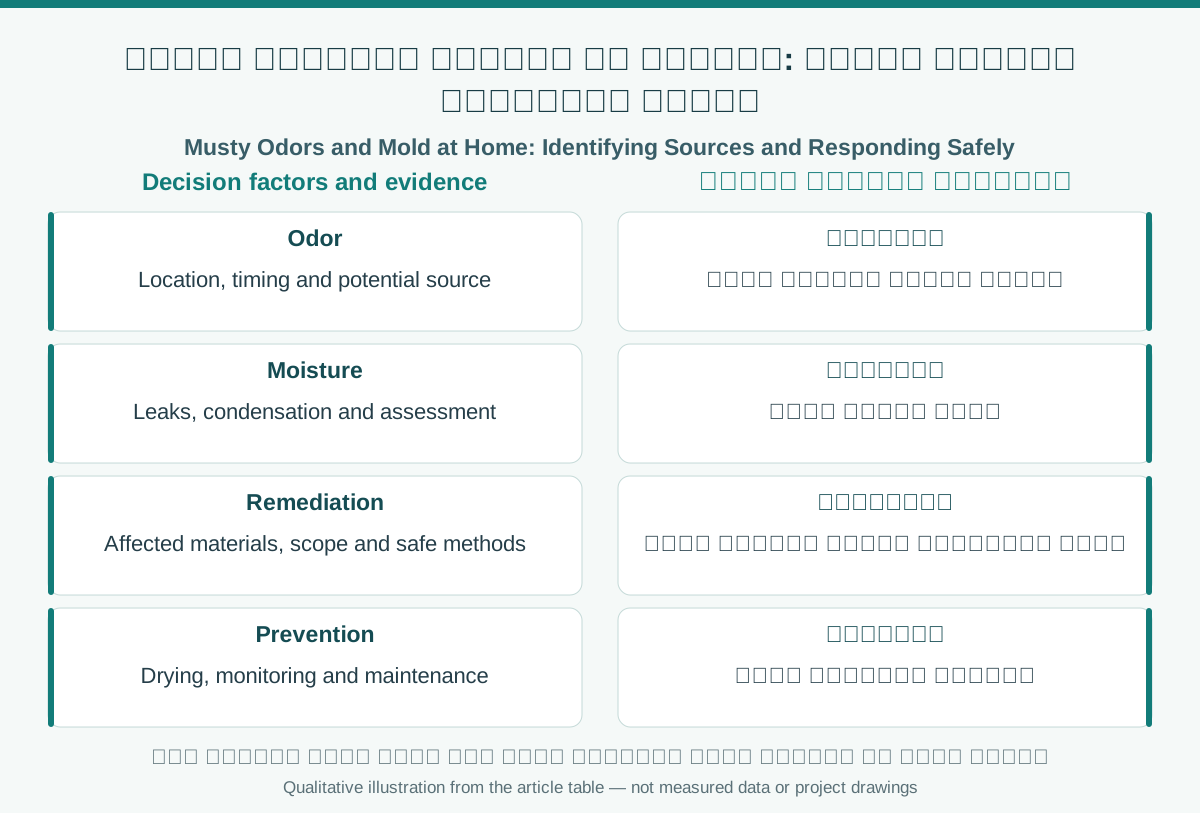
| Odor | Location, timing and potential source |
| Moisture | Leaks, condensation and assessment |
| Remediation | Affected materials, scope and safe methods |
| Prevention | Drying, monitoring and maintenance |
A visual reading of the article topic
- 01Odor is a signal requiring investigation
- 02Moisture-source repair and mold handling
- 03Verification and prevention
- 04Comparison and verification table
Practical workflow
- 01 Locate problem
- 02 Repair moisture source
- 03 Choose safe remediation with specialist as needed
- 04 Verify no recurrence
Conceptual editorial diagram; not measured data.
Sources and limitations
Editorial adaptation based on the original WordPress archive; original source retained separately. Historical boric acid, vinegar, peroxide, bleach and automotive coating recipes are not endorsed. This is educational, not a medical diagnosis or mold-removal protocol.
Topics and source excerpts
| Topic | Excerpt from article |
|---|---|
| Odor is a signal requiring investigation | The article addresses musty odors and dampness. |
| Moisture-source repair and mold handling | Remediation begins with leak repair or improved humidity control and ventilation suited to climate. |
| Verification and prevention | Monitor substrate drying and recurrence of odor or damage, reviewing ventilation, insulation, drainage and maintenance across operating conditions. |
| Practical workflow | 01 Locate problem |
| Sources and limitations | Editorial adaptation based on the original WordPress archive; original source retained separately. |
| References and limitations | EPA guidance emphasizes repairing moisture sources and removing mold, with professional help for suspected hidden growth. |
Source excerpts organized for comparison, not newly researched findings.
References and limitations
EPA guidance emphasizes repairing moisture sources and removing mold, with professional help for suspected hidden growth. Avoid mixing cleaning agents and do not rely solely on disappearance of odors.
The following references support selected topics in the article.
EPA A Brief Guide to Mold, Moisture and Your Home