Define the monitoring purpose before selecting devices
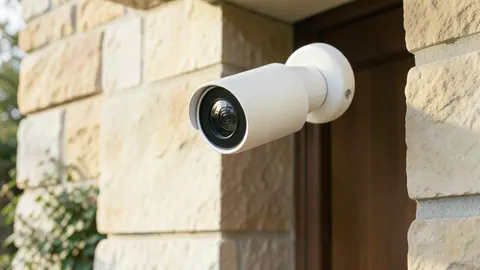
The source lists examples of home camera brands. Begin with a legitimate, limited purpose, such as monitoring an entrance or checking visitor arrival, while excluding private areas and respecting neighbors and residents. Review lighting, distance, field of view, environmental resistance and mounting. Resolution alone cannot establish useful detail; lens, compression, motion and lighting affect results.
Connectivity, storage and privacy
Cameras may be wired or wireless, mains-powered or battery-powered. Compare connection reliability, operation during outages, local or cloud recording, subscription costs and retrieval limitations. Use limited access, secure accounts, supported updates and suitable encryption, and define retention periods by need and requirements. Motion or person analytics may generate false alerts; test them without assuming perfect accuracy or enabling biometric recognition without justification and controls.
Compare and test after installation
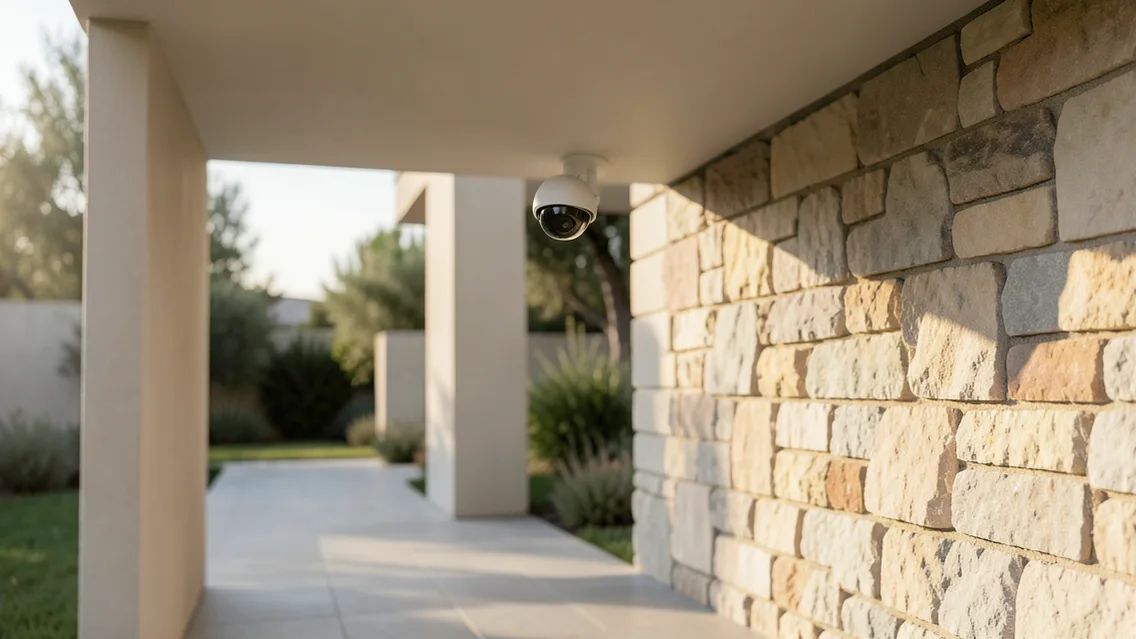
Define requirements and obtain exact-model documents, including environmental protection, image, storage, connectivity and support. Test in daylight, darkness and expected conditions, checking recording, retrieval, alerts, permissions and continuity. Plan lens, power and software maintenance and data deletion on disposal or user changes. Cameras do not replace sound mechanical security, appropriate lighting or other safeguards, and monitoring remains subject to local rules.
Comparison and verification table
| Factor | Evidence or action |
|---|---|
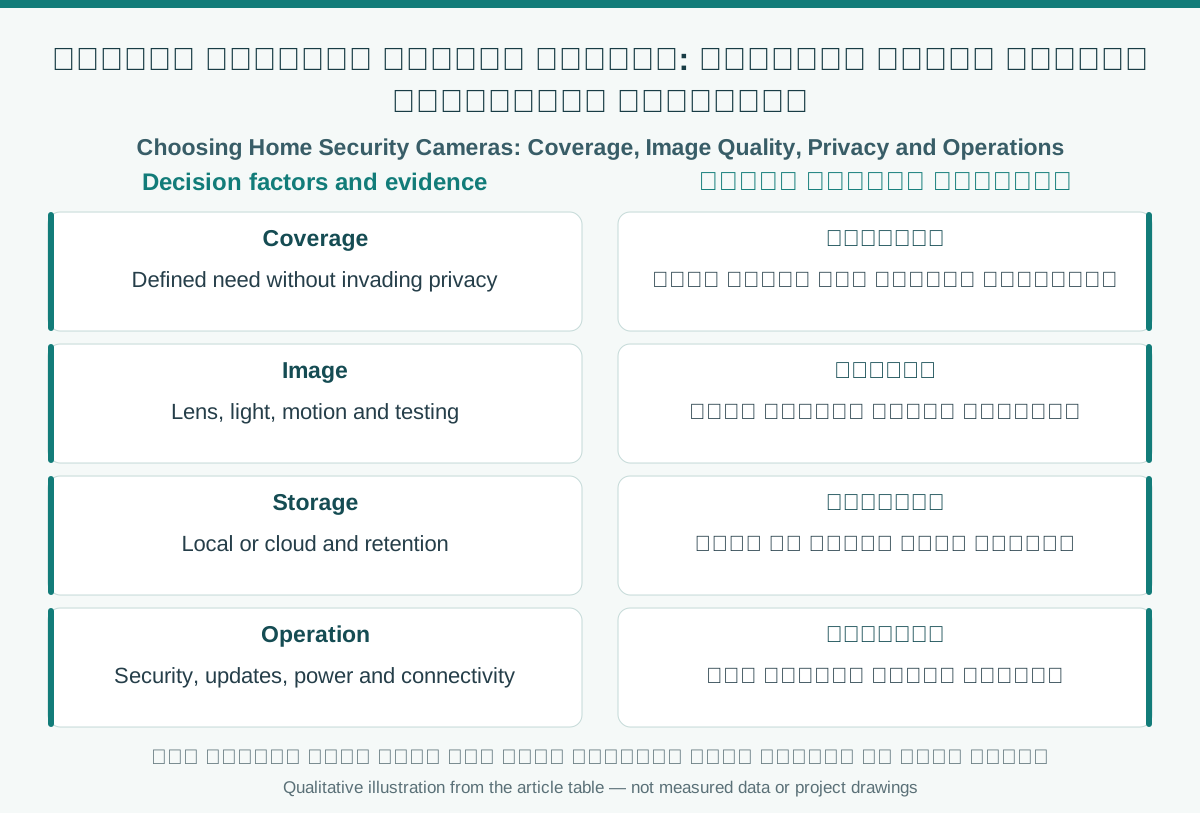
| Coverage | Defined need without invading privacy |
| Image | Lens, light, motion and testing |
| Storage | Local or cloud and retention |
| Operation | Security, updates, power and connectivity |
A visual reading of the article topic
- 01Define the monitoring purpose before selecting devices
- 02Connectivity, storage and privacy
- 03Compare and test after installation
- 04Comparison and verification table
Practical workflow
- 01 Define monitoring and its limits
- 02 Compare model specifications
- 03 Test under use conditions
- 04 Review privacy and maintenance
Conceptual editorial diagram; not measured data.
Sources and limitations
Editorial adaptation based on the original WordPress archive; original source retained separately. Historical brand rankings, SAR prices, features and subscriptions are not currently verified; this is not a current best-product list or shopping recommendation.
Topics and source excerpts
| Topic | Excerpt from article |
|---|---|
| Define the monitoring purpose before selecting devices | The source lists examples of home camera brands. |
| Connectivity, storage and privacy | Cameras may be wired or wireless, mains-powered or battery-powered. |
| Compare and test after installation | Define requirements and obtain exact-model documents, including environmental protection, image, storage, connectivity and support. |
| Practical workflow | 01 Define monitoring and its limits |
| Sources and limitations | Editorial adaptation based on the original WordPress archive; original source retained separately. |
| References and limitations | Define recording purpose, protect access, update devices and minimize data collection. |
Source excerpts organized for comparison, not newly researched findings.
References and limitations
Define recording purpose, protect access, update devices and minimize data collection. Article 1's private-unit camera exclusion does not establish permission to record outside those units or override other privacy duties.
The following references support selected topics in the article.
- Saudi Law on Use of Security Surveillance Cameras (2022), arts 1, 6
- NIST IR 8425 Consumer IoT Product Core Baseline (2022)
- FTC Securing Your Internet-Connected Devices at Home