Land price is not development value
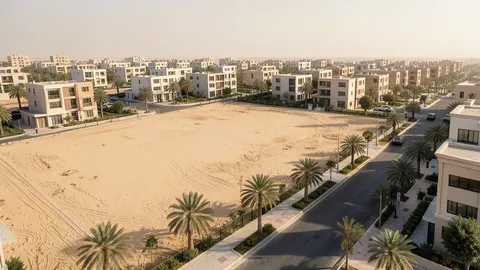
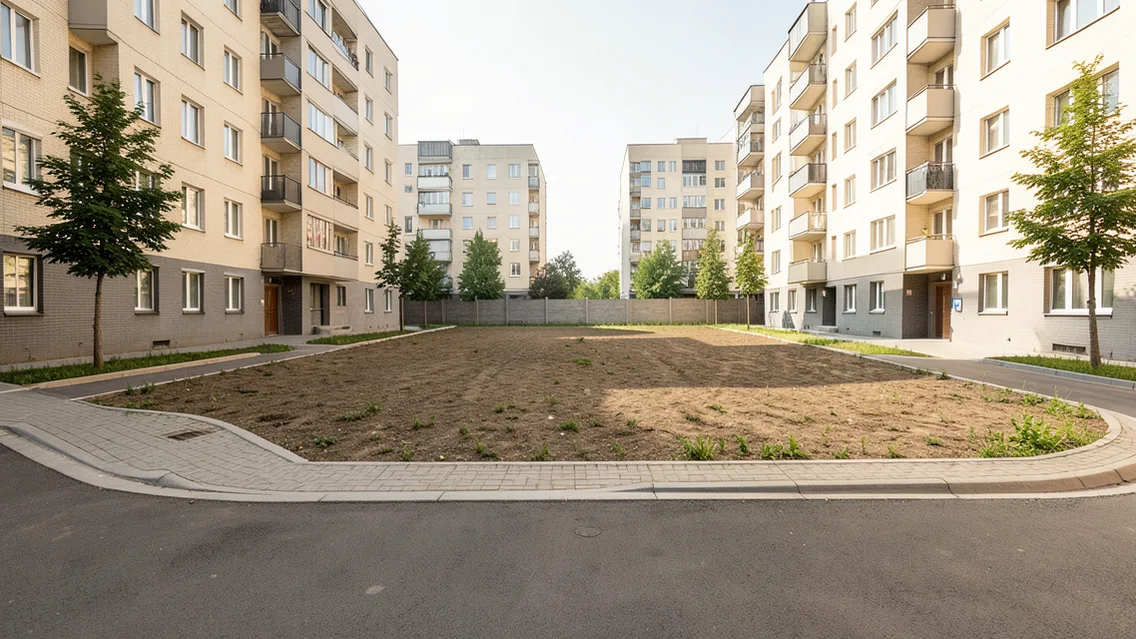
The article links land viability to demand and returns from the finished product. Start with land use, planning constraints, development capacity and infrastructure, then estimate saleable or lettable area. Low land price does not establish viability when preparation costs, risks or weak demand offset the discount.
A residual-value illustration
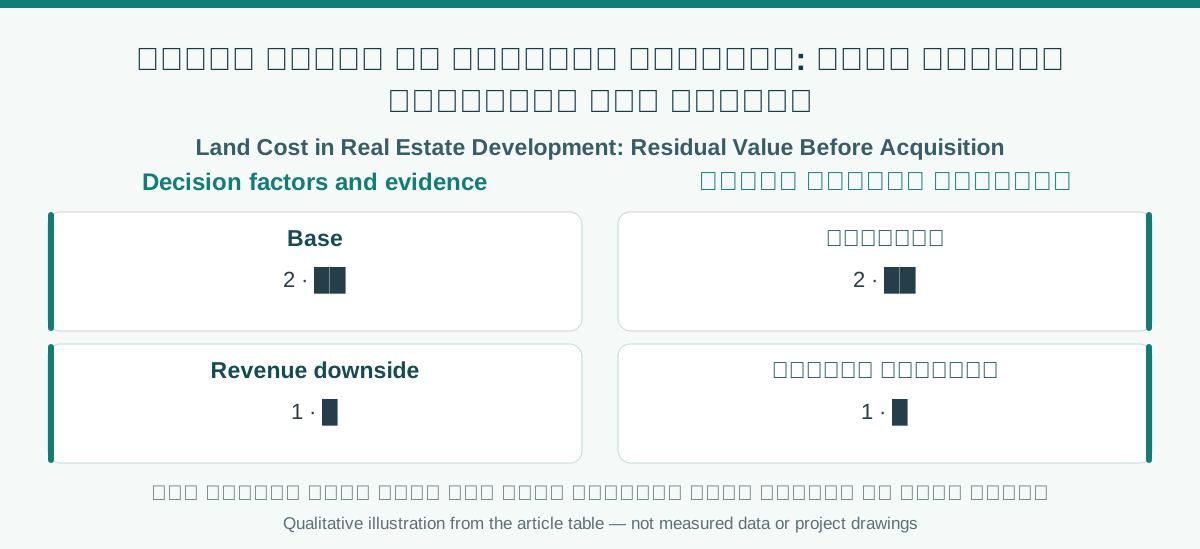
Assume total sales revenue of SAR 10 million, development, finance, marketing and contingency costs of 6.8 million, and target profit of 1.2 million. The nominal residual land budget is SAR 2 million before any excluded acquisition costs. A hypothetical 10% revenue reduction with other inputs unchanged leaves only SAR 1 million. A real appraisal must account for cash-flow timing and applicable taxes and charges.
Who bears the cost difference?
Higher land cost may be passed partly to buyers where demand and competition allow, absorbed by developer margins, reflected in a lower supportable land bid or cause postponement. Stress-test prices, sales, construction costs and timing rather than relying on expected appreciation to rescue a weak project.
Hypothetical sensitivity comparison
| Scenario | million SAR | Bar (one block = one unit) |
|---|---|---|
| Base | 2 | ██ |
| Revenue downside | 1 | █ |
A visual reading of the article topic
- 01Land price is not development value
- 02A residual-value illustration
- 03Who bears the cost difference?
- 04Hypothetical sensitivity comparison
Illustrative assumptions, not observed data.
Decision review table
| Factor | Evidence or action |
|---|---|
| Revenue | Price, area and absorption |
| Development | Construction, finance, marketing and contingency |
| Profit and risk | Target return and sensitivity |
| Land | Residual after costs |
Practical workflow
- 01 Verify development capacity
- 02 Estimate revenue and costs
- 03 Calculate residual
- 04 Stress-test before acquisition
Conceptual editorial diagram; not measured data.
Sources and limitations
Editorial development based on the original Emlak source; previous text retained. Figures are hypothetical, not a valuation. The original land-price change requires reconciliation with the official GASTAT period and methodology.
Topics and source excerpts
| Topic | Excerpt from article |
|---|---|
| Land price is not development value | The article links land viability to demand and returns from the finished product. |
| A residual-value illustration | Assume total sales revenue of SAR 10 million, development, finance, marketing and contingency costs of 6.8 million, and target profit of 1.2 million. |
| Who bears the cost difference? | Higher land cost may be passed partly to buyers where demand and competition allow, absorbed by developer margins, reflected in a lower supportable land bi… |
| Hypothetical sensitivity comparison | Illustrative assumptions, not observed data. |
| Practical workflow | 01 Verify development capacity |
| Sources and limitations | Editorial development based on the original Emlak source; previous text retained. |
Source excerpts organized for comparison, not newly researched findings.
References and limitations
Illustrative residual falls from SAR2m to SAR1m after revenue decline; not a land valuation without market inputs and cash-flow timing.
The following references support selected topics in the article.
- RICS journal: valuation approaches and methods
- Homes England financial viability guidance