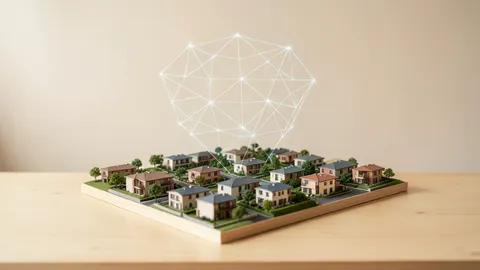
Sustainability between buildings
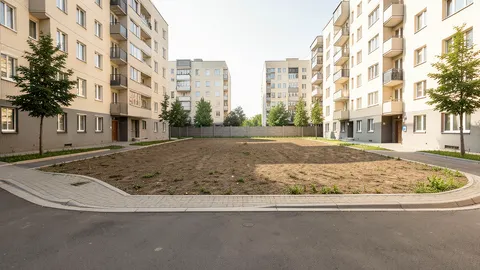
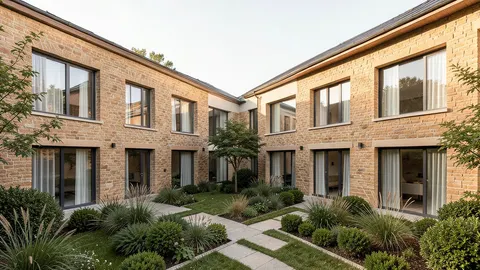
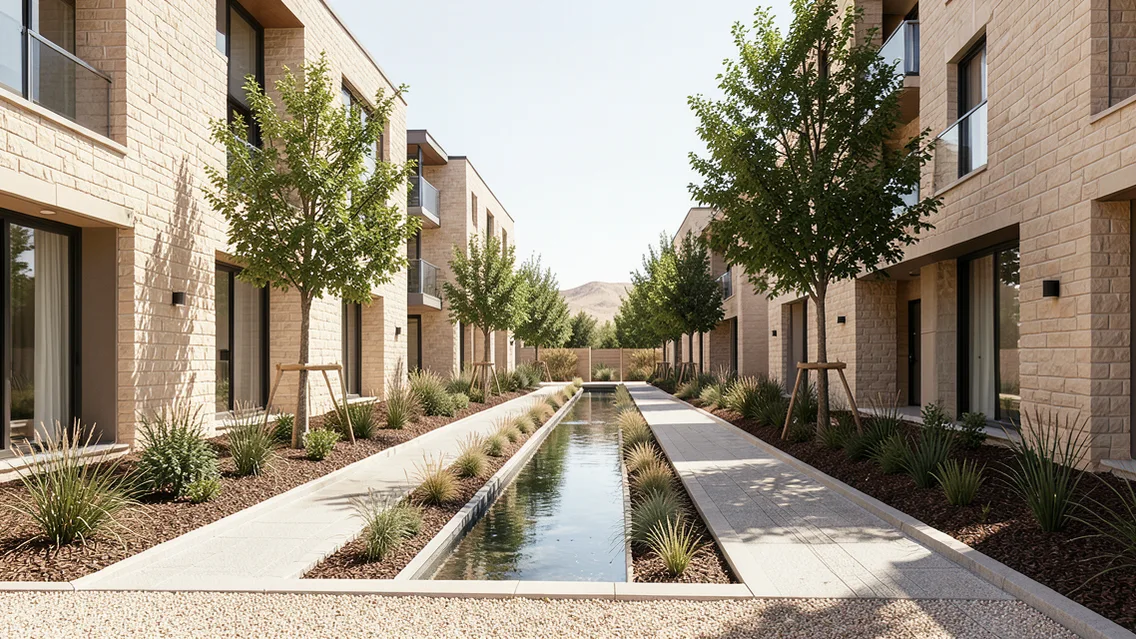
The article expands sustainability to outdoor spaces linking buildings. Shaded paths, trees, green roofs and runoff management may improve comfort and resilience when matched to climate, soils and water supply. Map pedestrian routes, solar exposure, topography and water accumulation before choosing interventions.
Drainage and vegetation
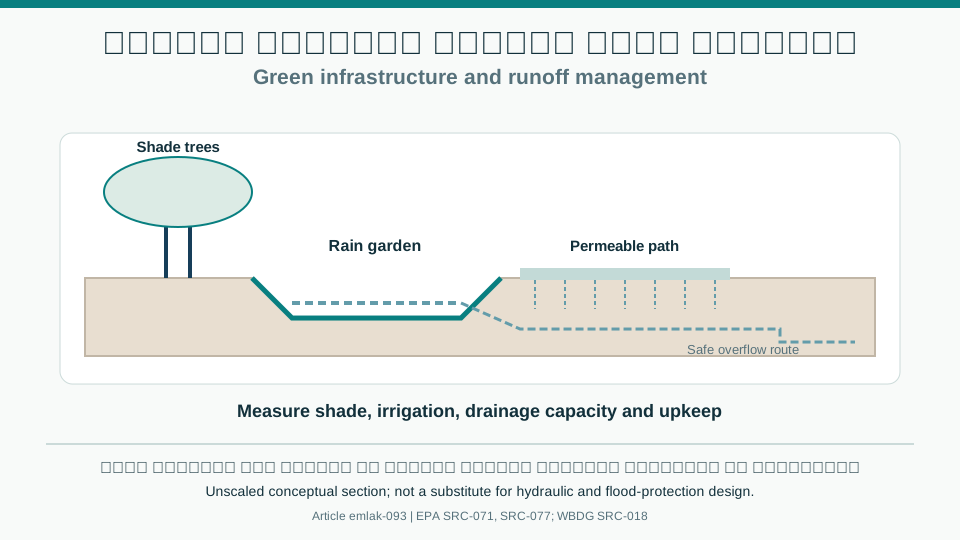
Rain gardens and permeable surfaces can slow runoff and retain some rainfall within design limits, but they do not automatically replace flood protection. Design requires hydrological analysis and safe overflow routes. Select plants for available water and site heat, checking roof loads, waterproofing, roots and maintenance plans.
Measuring development value
Define metrics such as shaded route length at specified hours, temperatures at comparison points, irrigation demand, and landscape and drainage maintenance costs. Compare life-cycle alternatives, including system failure risks. Development attractiveness may improve, but price premiums or property value stability require independent transaction evidence.
Decision review table
| Factor | Evidence or action |
|---|---|
| Shade | Shaded routes by hour and season |
| Drainage | Calculated capacity and safe overflow |
| Water | Irrigation budget, source and maintenance |
| Value | Comfort, life-cycle cost and market evidence |
A visual reading of the article topic
- 01Sustainability between buildings
- 02Drainage and vegetation
- 03Measuring development value
- 04Decision review table
Practical workflow
- 01 Analyze climate and runoff
- 02 Select suitable systems
- 03 Verify engineering
- 04 Monitor performance and maintenance
Conceptual editorial diagram; not measured data.
Topics and source excerpts
| Topic | Excerpt from article |
|---|---|
| Sustainability between buildings | The article expands sustainability to outdoor spaces linking buildings. |
| Drainage and vegetation | Rain gardens and permeable surfaces can slow runoff and retain some rainfall within design limits, but they do not automatically replace flood protection. |
| Measuring development value | Define metrics such as shaded route length at specified hours, temperatures at comparison points, irrigation demand, and landscape and drainage maintenance… |
| Practical workflow | 01 Analyze climate and runoff |
| Sources and limitations | Editorial development based on the author’s original Emlak article; previous text retained. |
Source excerpts organized for comparison, not newly researched findings.
Sources and limitations
Editorial development based on the author’s original Emlak article; previous text retained. The 2025 context and named projects are preserved in the source; they establish neither realized performance nor current commitments without specific documentation. Unmeasured price premiums or savings are not presented.
- US EPA: Green and Gray Infrastructure Research — Combines conventional drainage and nature-based systems such as permeable pavement, rain gardens and trees; consider hydraulic interactions, costs and maintenance, without quantified local performance.
- US EPA: Green Infrastructure Installation, Operation and Maintenance — Appropriate installation and ongoing maintenance, avoiding media compaction and sediment buildup; tasks vary by system, no project-specific performance established.
- WBDG: Optimize Energy Use — Climate-responsive load reduction, efficient systems, modeling, controls, commissioning and metering; US guidance, not Saudi code.