From demolition to specified material
The article discusses converting concrete waste into aggregate or reusable components. Begin with source identification, segregation of contaminants and incompatible materials, and assessment of dust and hazardous-component risks. Reusing an existing element differs from crushing it into aggregate, with distinct testing and approval needs. Visual cleanliness does not establish suitability for every use.
Choose applications by properties
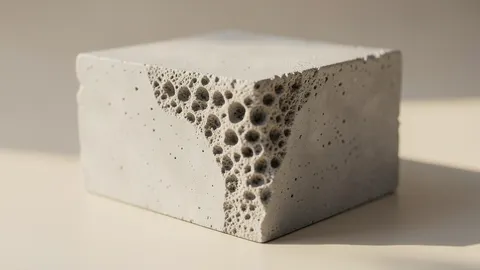
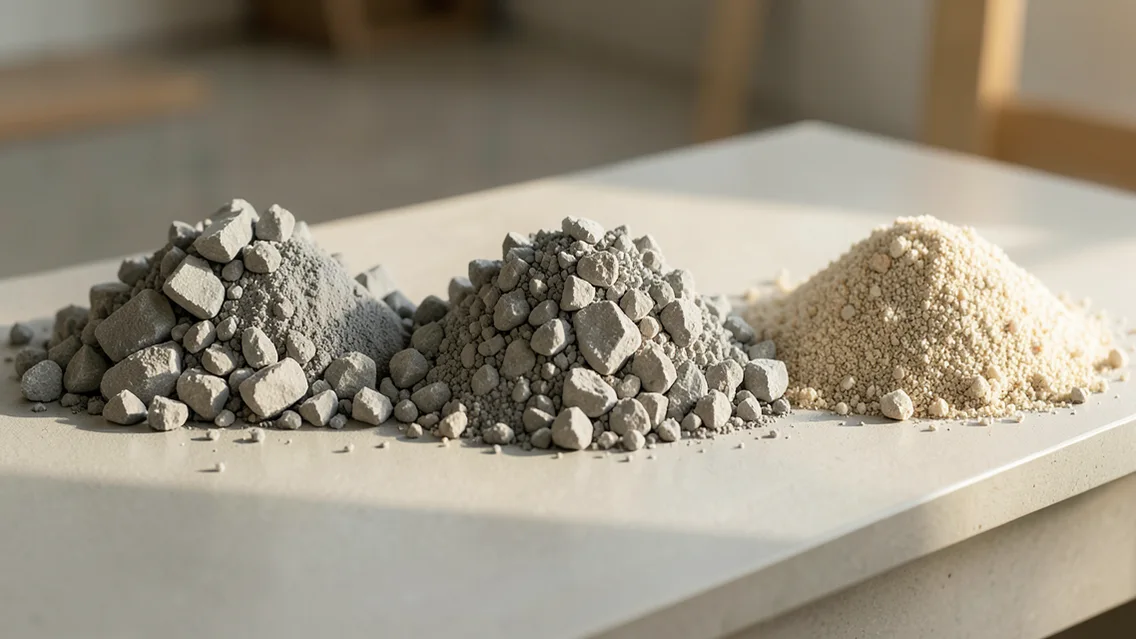
Recycled aggregate may serve road layers, fill or new concrete when specifications permit and suitability is demonstrated. Adhered mortar, gradation, absorption, density and contaminants influence aggregate and mix properties. Replacement rates and mix adjustments follow design and testing rather than universal values. Review concrete strength, durability and workability for exposure and use; load-bearing applications require engineering approval.
Lifecycle cost and impact
Recycling may reduce virgin aggregate demand and landfill transport, but crushing, sorting, transport, losses and cement in the new mix affect total impacts. Hypothetically, processing 100 tonnes of concrete into 75 tonnes of compliant aggregate gives a 75% mass yield before considering residual uses. This is not necessarily a 75% emissions reduction. Compare options delivering equivalent functions and performance, following authorized safety, dust, noise and waste-management plans.
Comparison and verification table
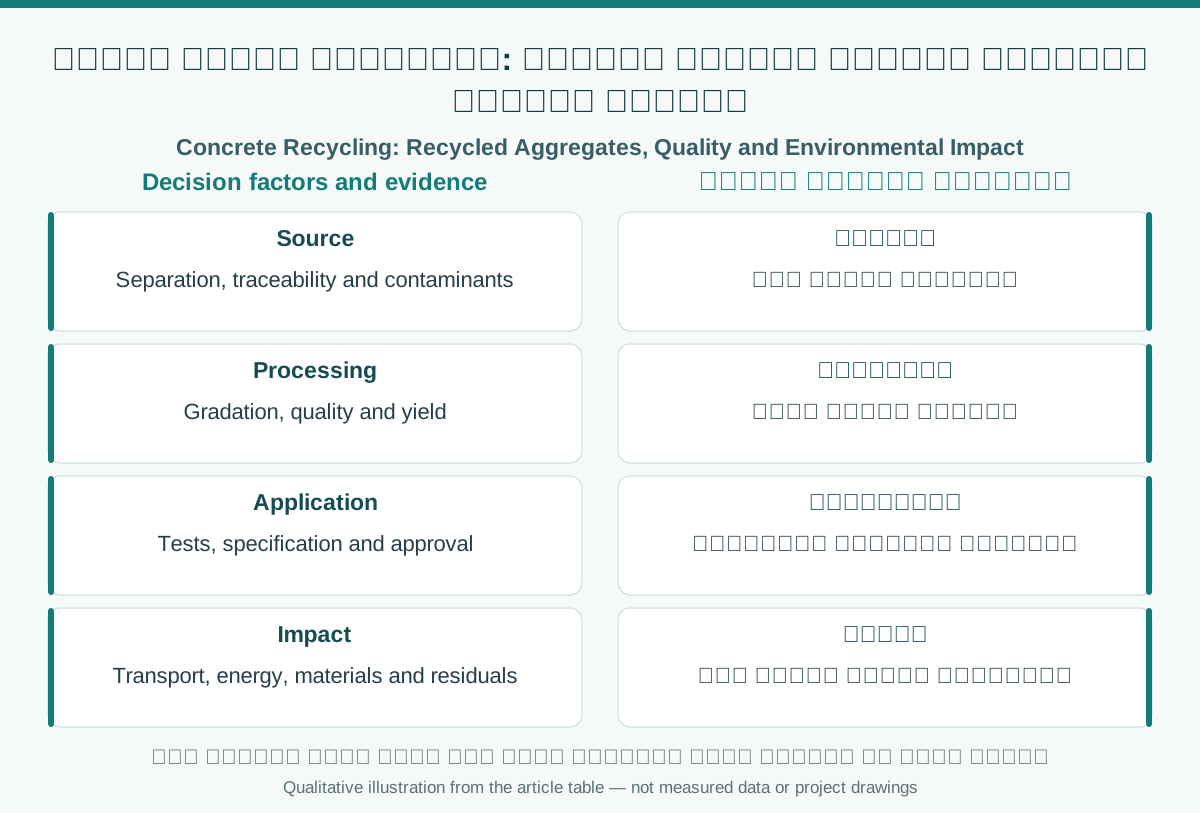
| Factor | Evidence or action |
|---|---|
| Source | Separation, traceability and contaminants |
| Processing | Gradation, quality and yield |
| Application | Tests, specification and approval |
| Impact | Transport, energy, materials and residuals |
A visual reading of the article topic
- 01From demolition to specified material
- 02Choose applications by properties
- 03Lifecycle cost and impact
- 04Comparison and verification table
Practical workflow
- 01 Classify and assess waste
- 02 Select approved processing
- 03 Test aggregate and application
- 04 Compare actual cost and impact
Conceptual editorial diagram; not measured data.
Sources and limitations
Editorial adaptation based on the original WordPress archive; original source retained separately. Historical equipment capacity, savings and emissions claims require project- and equipment-specific verification. The example is hypothetical; no crusher operating instructions or mix design are provided.
Topics and source excerpts
| Topic | Excerpt from article |
|---|---|
| From demolition to specified material | The article discusses converting concrete waste into aggregate or reusable components. |
| Choose applications by properties | Recycled aggregate may serve road layers, fill or new concrete when specifications permit and suitability is demonstrated. |
| Lifecycle cost and impact | Recycling may reduce virgin aggregate demand and landfill transport, but crushing, sorting, transport, losses and cement in the new mix affect total impact… |
| Practical workflow | 01 Classify and assess waste |
| Sources and limitations | Editorial adaptation based on the original WordPress archive; original source retained separately. |
| References and limitations | FHWA describes how adhered mortar affects recycled aggregate absorption and density and why processing and contamination control matter. |
Source excerpts organized for comparison, not newly researched findings.
References and limitations
FHWA describes how adhered mortar affects recycled aggregate absorption and density and why processing and contamination control matter. The 75-tonne yield from 100 tonnes is a hypothetical 75% mass yield, not measured plant or environmental performance.
The following references support selected topics in the article.
- FHWA – Reclaimed Concrete Material: Material Description
- FHWA – Use of Recycled Concrete Aggregate in Concrete Paving Mixtures (2022)