Shade as a design requirement
The article positions shade as essential to usable streets, courtyards and parks. Shade reduces direct solar exposure, but air temperature alone does not describe thermal perception: surface temperatures, radiation, humidity, wind, activity and clothing also matter. Identify usage hours, pedestrian routes and transit waiting areas before choosing interventions.
Canopies, trees and building form
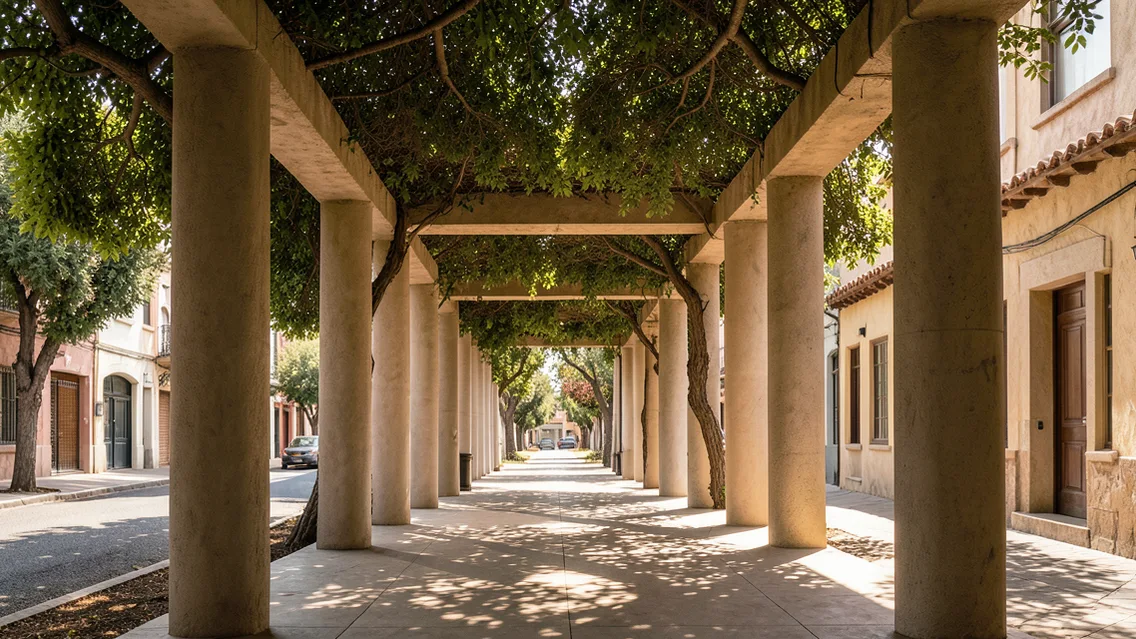
Compare overhangs, arcades, courtyards, trees and canopies against seasonal solar paths. Select vegetation for climate, water availability and maintenance, while considering ventilation, safety and accessibility. Window shading may reduce solar gains, but cooling and daylight effects require simulation accounting for orientation, glazing and operating hours.
Measuring value instead of assuming it
Prepare shade maps for specified hours and compare thermal-comfort indicators at comparable shaded and unshaded points. Shaded route length divided by total length is one spatial metric: hypothetically, 300 shaded metres of a 500-metre route equals 60% at a specified hour, not throughout the day. Monitor route use, maintenance and occupancy; any price premium requires evidence from comparable transactions.
Decision review table
| Factor | Evidence or action |
|---|---|
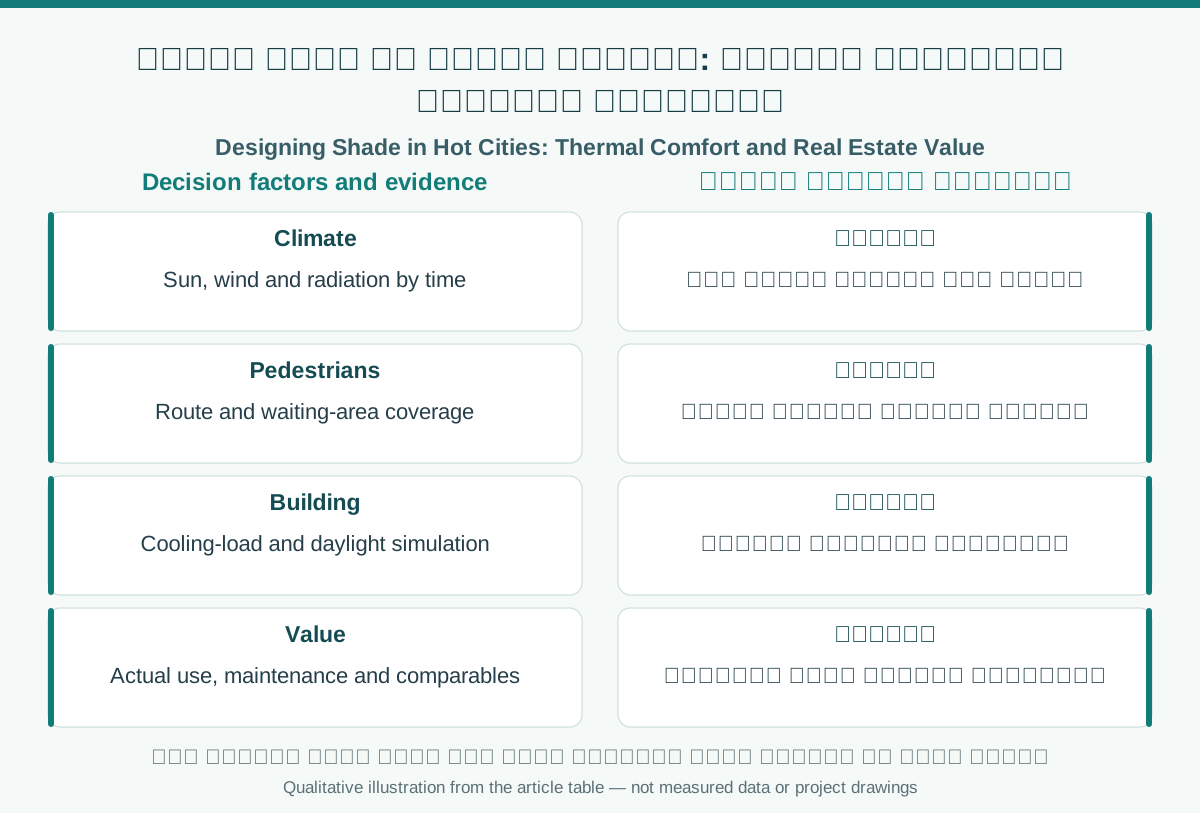
| Climate | Sun, wind and radiation by time |
| Pedestrians | Route and waiting-area coverage |
| Building | Cooling-load and daylight simulation |
| Value | Actual use, maintenance and comparables |
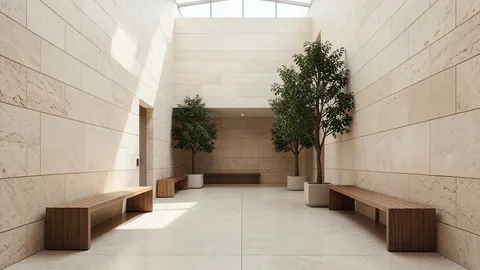
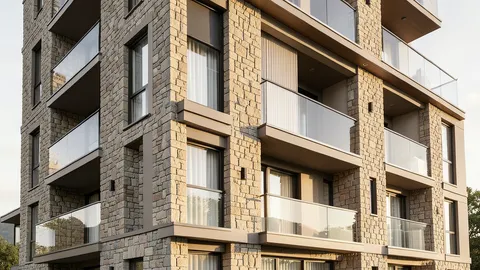
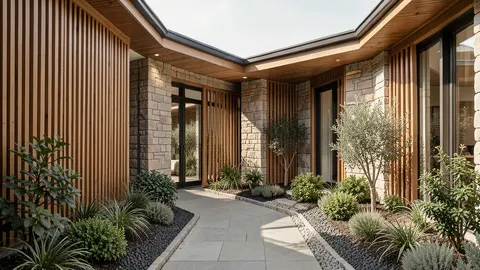
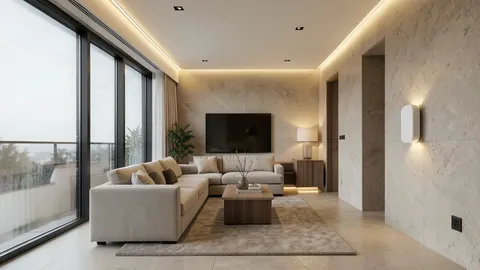
A visual reading of the article topic
- 01Shade as a design requirement
- 02Canopies, trees and building form
- 03Measuring value instead of assuming it
- 04Decision review table
Practical workflow
- 01 Define use periods
- 02 Analyze solar paths
- 03 Compare shading solutions
- 04 Measure field performance
Conceptual editorial diagram; not measured data.
Sources and limitations
Editorial development based on the original Emlak source; previous text retained. The original ten-degree perceived-temperature claim requires the comfort metric and measurement conditions. The spatial example is hypothetical and establishes neither temperature reduction nor price appreciation.
Topics and source excerpts
| Topic | Excerpt from article |
|---|---|
| Shade as a design requirement | The article positions shade as essential to usable streets, courtyards and parks. |
| Canopies, trees and building form | Compare overhangs, arcades, courtyards, trees and canopies against seasonal solar paths. |
| Measuring value instead of assuming it | Prepare shade maps for specified hours and compare thermal-comfort indicators at comparable shaded and unshaded points. |
| Practical workflow | 01 Define use periods |
| Sources and limitations | Editorial development based on the original Emlak source; previous text retained. |
| References and limitations | Vegetation can cool urban spaces; shade effects need local measurement. |
Source excerpts organized for comparison, not newly researched findings.
References and limitations
Vegetation can cool urban spaces; shade effects need local measurement. The 60% example applies to a route at a specified time.
The following references support selected topics in the article.
- EPA trees and vegetation
- ITF Urban Access Framework